
Features of mineral nutrition and fertilizer application for ornamental crops
19 min read
Nutrient requirements and soil acidity for flower crops
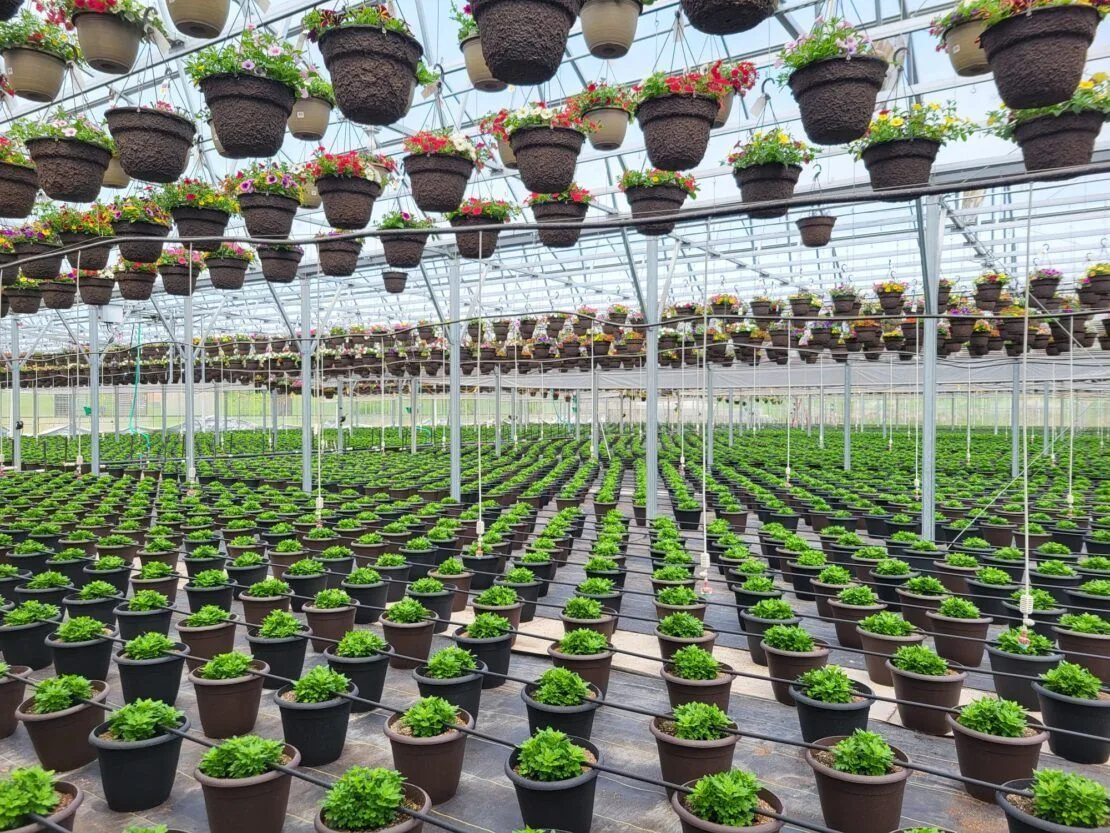
When growing flower and ornamental plants in greenhouses, interiors, or flower beds, it is necessary to strictly consider their requirements for the environment. Soil conditions determine the growth rate and flowering quality. Based on the mineral content in the substrate, crops are divided into four classes:
- Low-demanding: cacti, orchids;
- Medium-demanding: begonia, petunia, primrose;
- Demanding: gerbera, calla lily, freesia, cyclamen;
- Very demanding: carnation, chrysanthemum.
An equally important factor is the acidity of the soil solution (pH). A discrepancy between this indicator and the crop's requirements blocks the uptake of nutrients by roots. When selecting a substrate, use the optimal acidity ranges as a guide:
| Soil group by acidity | pH range | Flower crops |
|---|---|---|
| Neutral | from 6 to 7 | Ageratum, kochia, stock, rose |
| Slightly acidic | from 5.1 to 5.5 | Asparagus, begonia, bellflower, primrose |
| Moderately acidic | from 4.6 to 5.0 | Calla lily, monstera, ferns |
| Strongly acidic | from 4.5 and below | Azalea, heather, hydrangea, camellia |
For full development, plants need the entire complex of mineral nutrition. Macronutrients, which are contained in plants in relatively large quantities, include nitrogen, phosphorus, potassium, calcium, magnesium, iron, and sulfur. The group of micronutrients, consumed in small volumes, consists of boron, copper, zinc, molybdenum, cobalt, and other substances. All nutrient elements must reach the root zone in a dissolved state and in strictly defined concentrations.
- Proportion of macronutrients in plants — from hundredths to several percent
- Proportion of micronutrients in plants — from thousandths to hundredths of a percent
- pH of neutral soils — from 6 to 7
- pH of slightly acidic soils — from 5.1 to 5.5
- pH of moderately acidic soils — from 4.6 to 5.0
- pH of strongly acidic soils — from 4.5 and below
Nitrogen, phosphorus, and potassium fertilizers: application and deficiency
Mineral fertilizers contain nutrients in an easily soluble and accessible form. Depending on particle size, they can be powder, crystalline, or granular. To compensate for the deficiency of specific elements, agronomists use single-nutrient fertilizers.
Nitrogen (N) is responsible for protein synthesis and the build-up of vegetative mass. When it is lacking, stems become thin, leaves shrink and turn yellow, and flowering weakens. Nitrogen top dressing provides the greatest effect during the active growth phase.
With an excess of nitrogen, plants actively develop vegetative mass at the expense of flowering ("over-vegetating"). In perennial crops, this reduces winter hardiness.
| Nitrogen fertilizer | Nitrogen content, % |
|---|---|
| Urea, or carbamide | 46 |
| Ammonium nitrate | up to 35 |
| Ammonium sulfate | 20.5–21.0 |
| Calcium nitrate | 15.5 |
| Sodium, or Chilean, nitrate | 15–16.5 |
Phosphorus (P) plays an important role in the process of photosynthesis and plant respiration. The greatest demand for this element occurs during flowering and fruit set. A deficiency retards the development of roots and the aerial part, and red and purple spots appear on the leaf edges.
Excess phosphorus is no less harmful, as it causes premature aging of crops. Overdose of phosphorus compounds prevents the uptake of iron, zinc, and other elements from the soil. As a result, the plant experiences an acute nutrient deficiency.
Phosphorus is easily retained by the soil and does not leach. Phosphorus fertilizers can be applied for autumn ploughing or digging up the plot in the fall, early in the spring before sowing or planting, and also used for top dressing.
| Phosphorus fertilizer | Phosphoric acid content, % |
|---|---|
| Double superphosphate | 43–50 |
| Rock phosphate | 19–25 |
| Simple superphosphate | 14–20 |
| Thomas slag | 8–20 |
Based on their solubility, phosphorus fertilizers are divided into three groups. Water-soluble forms are represented by superphosphates. Precipitate and thermophosphate belong to those soluble in weak acids, while rock phosphate belongs to the poorly soluble group.
Potassium (K) promotes rapid plant growth, nutrient transport, and resistance to fungal infections and cold. The element enters plant tissues in the form of the K+ cation. Its deficiency leads to poor root development, short internodes, dull green foliage, and reduced seed productivity. Furthermore, potassium deficiency disrupts nitrogen metabolism, causing leaves to curl, develop brown-yellow spots, and dry out.
Mineral and complex fertilizers: forms and compatibility
Potassium fertilizers are effectively retained by the soil and do not leach, except in light sandy soils. In floriculture practice, potassium chloride (containing 52–60% potassium oxide), potassium salt (30–40%), and potassium sulfate (45–52%) are most often used. When choosing a specific form, it is necessary to consider the sensitivity of the root system of the grown crops to associated elements.
Apply chloride-containing potash fertilizers to the soil exclusively in autumn. Chlorine has a pronounced negative effect on the root system of most flowering plants.
Complex fertilizers allow for the simultaneous provision of plants with multiple nutrients. They are divided into combined ones, obtained through a single technological process, and mixed ones, which are created by mechanically blending simple fertilizers. When preparing mixtures yourself, strictly observe the rules of component compatibility: some fertilizers cannot be combined at all, others can, and some should only be mixed immediately before application to the soil.
- Ammophos (N / P) — 10.3–11% / 47.8–48.5%
- Diammophos (N / P) — 18–20% / more than 50%
- Potassium nitrate (N / K) — 13–14% / more than 46.5%
- Nitrophoska, chlorine-free (N / P / K) — 13.5% / 14.4% / 14.4%
Micro-fertilizers (containing Fe, B, Mn, Cu, Na, Zn, Mo, etc.) are required by plants in negligible quantities, but their deficiency critically affects the growing season. A lack of sodium leads to the appearance of dull dark-green leaves that wither quickly even with a slight deficit of soil moisture. A boron deficiency causes the death of apical growth points, burns, spotting, and excessive leaf pigmentation.
Liming and the use of organic matter
Most flowering crops grow best in slightly acidic or neutral soils, and only a few (e.g., azalea and hydrangea) prefer an acidic environment. In acidic soils, mobile phosphorus and exchangeable potassium are blocked, which impairs plant development. Such areas are easy to identify by indicator weeds: field horsetail, sheep's sorrel, matgrass, and sheep fescue.
To reduce acidity, dolomite flour, chalk, slaked lime, calcareous tuff, as well as peat and shale ash are used. Liming materials are applied in one go or in parts over several years, gradually bringing the soil reaction to optimal values. This allows for significantly improving soil properties and increasing the efficiency of other fertilizer applications.
Liming is carried out in autumn (less frequently in spring or summer on fallow land), but strictly no later than two months before sowing seed or planting plants.
According to the pH level, soils are divided into very acidic (pH below 4.0), strongly acidic (below 4.5), moderately acidic (4.6–5.0), slightly acidic (5.1–5.5), near-neutral (5.6–6.0), neutral (6.0–7.0), and alkaline (7.0–8.0). The requirement for liming materials is determined by the pH level, soil texture, and humus content. For example, on sod-podzolic soils with a humus content of up to 3%, the application rate is from 1 to 7 kg of lime per 10 m².
Application rates of CaCO₃ (kg per 10 m²) depending on soil texture and acidity:
| Soil | up to 4.5 | 4.6 | 4.8 | 5.0 | 5.2 | 5.4–5.5 |
|---|---|---|---|---|---|---|
| Sandy | 3.0 | 2.5 | 2.0 | 1.5 | 1.0 | 1.0 |
| Sandy loam | 3.5 | 3.0 | 2.5 | 2.0 | 1.5 | 1.5 |
| Light loamy | 4.5 | 4.0 | 3.5 | 3.0 | 2.5 | 2.5 |
| Medium loamy | 5.5 | 5.0 | 4.5 | 4.0 | 3.5 | 3.0 |
| Heavy loamy | 6.5 | 6.0 | 5.5 | 5.5 | 4.5 | 4.0 |
| Clay | 7.0 | 6.5 | 6.0 | 5.5 | 5.0 | 4.5 |
Organic fertilizers of animal and plant origin, as well as bacterial preparations, provide flowering crops with a complete complex of nutrients, improve soil structure, and maintain their effect for several years. The quality of manure largely depends on the type of bedding used. The best indicators are achieved by using dry moss peat, which perfectly absorbs moisture and retains ammonia, or finely chopped straw.
When choosing organic matter, consider the specifics of its application on different soil types:
- Cow manure (cow slurry) is suitable for any soil. On clay and light loamy soils, it is applied every 3–4 years; on sandy and sandy loam soils, every two years. For liquid top dressing, the manure is mixed with water in a 1:2 ratio, and before application, the working solution is further diluted by another 3–4 times.
- Horse manure decomposes rapidly and releases a lot of heat, acting as biofuel for heating hotbeds. On heavy soils, it is applied in large doses every two years to warm up the soil, but it is poorly suited for light sandy soils. Goat, sheep, and rabbit manure have similar properties.
- Pig manure decomposes slowly and contains a lot of moisture. This "cold" fertilizer should only be used on light sandy soils; it is not suitable for heavy clay soils.
Rules for preparing and applying organic fertilizers
Proper work with organic matter allows for the preservation of maximum nutrients, especially volatile nitrogen. The efficiency of manure directly depends on the conditions of its storage and the speed of incorporation into the soil. To conserve nutrients, it is best to store manure using the compact method without air access.
To do this, manure is laid in piles 5–8 m long, 3–4 m wide, and 1.5–2 m high, and carefully compacted. The top of the pile is covered with a layer of peat or chopped straw 15–20 cm thick. To reduce nitrogen losses, superphosphate or phosphate rock is added to the manure mass during stacking in an amount of 1–2% of its weight.
Incorporate manure into the soil to the depth of the arable layer immediately after spreading it across the field. If left on the surface, it quickly loses nitrogen. When manure is stored in small piles, nitrogen losses reach 40%.
Incorporation depth of manure depends on the soil texture: it is incorporated shallowly on heavy and moist areas, and deeper on light ones. The application rate is 4–6 kg/m² on poor and light soils and 3 kg/m² on rich and heavy ones. Liquid manure (containing 0.2–0.25% nitrogen and 0.4–0.5% potassium) is used for spring top dressing at an application rate of up to 1 kg/m² with mandatory incorporation, and is also used for preparing peat-slurry composts.
Poultry and pigeon manure are concentrated organic fertilizers. They cannot be applied in their pure form; prior fermentation is required.
- Dilute 1 part of manure in 2 parts of water.
- Leave the mixture to ferment for 10–14 days, stirring periodically.
- Before application, dilute the prepared ferment with water in a 1:10 ratio.
In floriculture, auxiliary organic fertilizers of animal origin are also used. Animal urine, feces, blood meal, meat meal, and meat-and-bone meal are applied to the soil. Good results are obtained by using sediment from filtration fields and various slaughterhouse waste.
Plant-based organic matter serves primarily to improve the structure and physical properties of the soil. Agronomists use peat, sawdust, straw, ash, soot, and shredded coniferous bark. Lowland (meadow) peat is the most valuable in terms of composition, whereas upland (sphagnum) peat contains a minimum of nutrients.
Since peat has an acidic reaction, it must be weathered in small piles for 1 to 3 years before use. During this time, it becomes looser, harmful ferrous compounds are oxidized, and available forms of nitrogen and phosphorus accumulate. The application rate is up to 100 t/ha, with the effectiveness of peat increasing sharply when composted with manure, lime, green manure, or mineral fertilizers. Slightly acidic, well-decomposed peat is an excellent material for mulching plantings.
Green manuring and bacterial preparations
Green manuring is a reliable way to increase soil fertility in depleted soils and improve the return on mineral fertilizers. The roots of green manure crops extract nutrients from the deep subsoil layers and concentrate them in the arable horizon. The green mass is ploughed into the soil 20–30 days before planting flower crops. On sandy soils, the incorporation depth is 15–20 cm, and on loamy soils, it is 3–5 cm shallower.
For green manure fallow, which is mainly sown with lupine, it is important to strictly observe sowing rates. The volume of accumulated green mass depends on the density of the green manure stand. The optimal sowing rates for major green manure crops are shown in the table.
| Green manure crop (or mixture) | Seed sowing rate (at 100% agricultural utility), kg/ha |
|---|---|
| Narrow-leaf lupine | 220 |
| Yellow lupine | 180–200 |
| Perennial lupine | 50–60 |
| Spring vetch | 120–150 |
| Vetch-oat mixture | vetch — 100, oats — 50 |
| Phacelia | 15 |
| Phacelia and lupine mixture | lupine — 100, phacelia — 4 |
| Serradella | 40–50 |
| Winter and spring rape | 20–40 |
| Oilseed radish | 20–30 |
Bacterial fertilizers are used to activate beneficial microbiological processes in the soil. They help convert nitrogen and phosphorus into forms accessible to flower crops. The preparations consist of live cultures of microorganisms and require strict adherence to application rules.
Nitragin contains nodule bacteria that fix atmospheric nitrogen on the roots of legume green manures. The preparation is used for seed treatment immediately before sowing. Azotobacterin supplies free-living nitrogen-fixing microorganisms to the soil, which utilize root exudates. It is applied to moist soil along with seeds or fertilizers. Phosphorobacterin contains bacterial spores on a kaolin base, which break down organic soil compounds and release soluble phosphorus.
- Nitragin for legume seeds — 0.5 l/ha
- Azotobacterin to the soil or with seeds — 3–6 kg/ha
- Phosphorobacterin for seed treatment — 5–10 g/ha
Timing and methods of fertilizer application
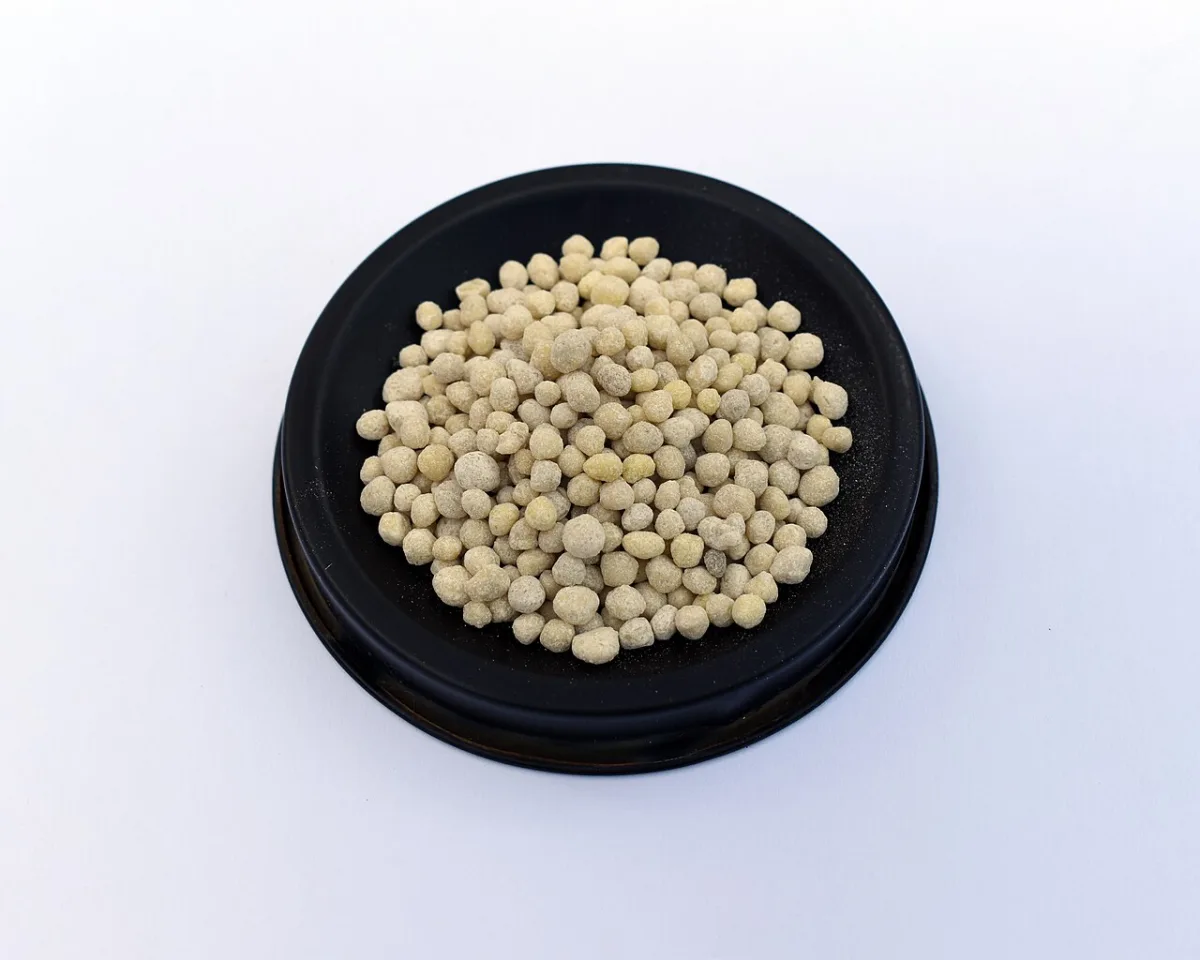
Effective nutrition for flower crops is based on a combination of organic matter and mineral fertilizers at different growth stages. A special place in the technology belongs to vermicompost — a dry granulated fertilizer with a fraction size of 1–3 mm. This biological preparation colonizes the soil with beneficial microorganisms that release phytohormones and antibiotics, which helps to displace pathogenic microflora. Nutrients from it are easily absorbed by plants gradually throughout the entire growing season, improving the survival rate of transplants and stimulating root growth.
To optimize the consumption of vermicompost, soil mixtures are prepared in strictly defined proportions:
- For seedlings: mix 1 part of vermicompost with 3–5 parts of sod soil.
- For potted crops: mix 1 part of vermicompost with 4–5 parts of sod soil.
- For liquid top dressing: use an aqueous extract of the preparation.
Combined application of organic matter and mineral fertilizers is more effective than their separate use and allows for reducing total dosage rates. Keep in mind that phosphorus and potassium in manure are immediately available, while nitrogen is only released by half in the first year. This must be compensated for with mineral supplements depending on the soil type and the crop being grown.
For crops with high nitrogen requirements, always combine manure with nitrogen mineral fertilizers. On light sandy soils, potassium fertilizers must be added to organic matter.
The nutritional program for floral crops includes three mandatory stages:
- Basal (pre-sowing) fertilizer — applied before sowing or planting, followed by deep ploughing or digging. During this period, all organic matter and the majority of mineral fertilizers are applied. For annuals and biennials, the application rate is reduced by half compared to perennial crops.
- Starter (at-planting) fertilizer — applied simultaneously with sowing seeds or planting transplants. Fertilizers are placed 2–3 cm deeper than the seeds to provide nutrients to young seedlings in the first 2–4 weeks, while their root system is still undeveloped.
- Top dressing — root application of fertilizers in dry or liquid form during the periods of highest plant demand.
Dry top dressing is only effective on moist soil after rain or irrigation. Fertilizers are distributed on the surface or in holes, at a distance of 2–3 cm from the root collar, carefully worked into the top layer of the soil, and watered again. Liquid top dressing with solutions of mineral or organic fertilizers is used primarily in greenhouses.
- Basal organic matter for perennials — up to 50 t/ha
- Basal P and K for perennials — 120–180 kg/ha of active ingredient
- Starter NPK application — 10–20 kg/ha of active ingredient
- N:P:K ratio in starter fertilizer — 2:4:1
- Concentration of liquid top dressing in open ground — up to 0.1%
Agrochemical control in greenhouses
Growing flowers in protected ground requires strict control of substrate composition. The agrochemical department should conduct soil analysis and leaf diagnostics at least twice a month. Based on these laboratory data, precise dosages for current top dressings are calculated to ensure balanced nutrition for the plants.
Conversion factors for active ingredients: phosphorus (P) is converted to phosphates (P₂O₅) by multiplying by 2.29; potassium (K) to potassium oxide (K₂O) by multiplying by 1.2.
Optimal nutrient levels in the greenhouse substrate depend on the crop's biology, air temperature, light intensity, and day length. Exceeding these limits or nutritional deficiency directly affects the marketability of cut flowers.
| Element / Indicator | Carnation | Rose | Chrysanthemum | Cyclamen | Azalea |
|---|---|---|---|---|---|
| N | 150–250 | 150–250 | 150–300 | 150–300 | 80–120 |
| P | 120–200 | 250–400 | 150–200 | 150–200 | 50–100 |
| K | 300–450 | 350–500 | 400–600 | 350–500 | 80–160 |
| Ca | 2500–4500 | 4500–6000 | 2800–4200 | 2600–3800 | 500–1000 |
| Mg | 550–700 | 700–900 | 500–800 | 400–600 | 100–150 |
| Fe | 150–250 | 800–1600 | 150–400 | 150–250 | 120–200 |
| Cu | 8–16 | 8–15 | 10–15 | 10–20 | 10–15 |
| Zn | 8–16 | 30–60 | 8–16 | 6–10 | 4–8 |
| Mn | 12–16 | 80–150 | 6–10 | 6–10 | 4–8 |
| Mo | 0.1–0.25 | 0.08–0.2 | 0.08–0.2 | 0.08–0.2 | 0.08–0.2 |
| B | 1.5–2.5 | 1–2 | 1.5–2.5 | 1.5–2.5 | 1–2 |
| Cl | no more than 100 | no more than 100 | no more than 100 | no more than 100 | no more than 100 |
| Substrate pH | 6.0–6.8 | 5.8–6.5 | 5.5–6.0 | 5.2–6.0 | 4.0–4.5 |
| Total salt concentration, % | 2.5–3.5 | 2.5–3.0 | 2.5–4.5 | 1.5–3.5 | 0.5–1.0 |
Parallel to substrate analysis, leaf diagnostics are conducted. This allows for assessing the actual uptake of elements by the plant root system. Reference values for nitrogen and phosphorus content in leaf tissue are provided below.
| Element | Carnation | Rose | Chrysanthemum | Zantedeschia | Cyclamen | Azalea |
|---|---|---|---|---|---|---|
| N | 3.0–4.5 | 3.0–4.2 | 3.0–4.2 | 4.0–5.5 | 2.5 | 2.0 |
| P | 0.25–0.5 | 0.25–0.4 | 0.25–0.5 | 0.3–0.6 | 0.3 | at least |
0.3 K 2.5–5.0 1.8–2.6 2.5–5.0 3.5–5.5 2.5 0.8 Ca 1.0–2.0 0.8–2.0 1.2 0.5–1.0 1.0 0.2–0.6 Mg 0.25–0.5 0.25–0.5 0.25–0.5 0.5–0.8 0.4 0.17 Fe 120–300 120–300 120–300 120–300 150 100–400 Cu 10–20 8–16 10–20 10–20 12 8–20 Zn 30–80 20–50 30–80 40–100 40 30–80 Mn 50–150 50–100 50–150 50–150 60 no more Mo 1–5 1–5 1–5 1–5 3 1–20 B 30–60 30–60 30–60 30–60 60 30–80
Note. The content of nitrogen, phosphorus, calcium, and magnesium is given in percentages.
To prepare liquid organic fertilizer, mix the solid fraction of cow manure, poultry manure, or blood meal with an equal volume of water. Stir the infusion periodically. The indicator that fermentation is complete and the fertilizer is ready is the cessation of gas bubble release. The solution is drained from the sediment and diluted with water (manure — 2 times, poultry manure — 20 times, blood meal — 40 times). Before top dressing the plants, add 15–20 g of superphosphate and 50–60 g of wood ash per 10 L of solution. Liquid manure slurry is used for fertigation without prior fermentation. It is immediately diluted with water 10–15 times, after which 10 g of superphosphate is added to 10 L of the resulting solution to feed the plants.
Foliar top dressing is the application of fertilizer by spraying plant leaves and stems with solutions of macro- and micronutrients and growth regulators. This is carried out in cloudy weather so that the solution remains on the leaves longer and penetrates the plants better. For young, actively growing plants in early spring and early summer, urea at a concentration of 0.1–0.3% is used as a nitrogen fertilizer, and for plants that have finished their growth during the summer-autumn period — 0.4–1%. Among potassium fertilizers, chlorine-free types (potassium sulfate, etc.) are effective at the same or slightly higher concentrations than urea; among phosphorus fertilizers, triple (up to 2%) and simple superphosphate (up to 3%) are used. Solutions of higher concentration can cause leaf burns. Foliar top dressing is an effective measure for increasing plant productivity. It is also often performed in cases of pronounced deficiency of any mineral nutrient in plant leaves.
Calculation of the fertilizer application rate. The application rate of a specific type of mineral fertilizer is calculated using the formula
R = D / C · 100, (1) where R – fertilizer application rate, kg/ha; D – dose of the active ingredient to be applied, kg/ha; C – content of the active ingredient in the fertilizer, %.
For example, it is necessary to apply 50 kg/ha of nitrogen for a flower crop. Ammonium nitrate, which contains 35% of the active ingredient, is used as the nitrogen fertilizer. The application rate for ammonium nitrate is determined as follows
R = 50 / 35 · 100 = 143 kg.
This means that 50 kg of nitrogen will be contained in 143 kg of ammonium nitrate. This amount of fertilizer must be applied per 1 hectare of area. However, when using top dressing for plants in flower beds, it is more convenient to use the value per 10 m2 or per 1 m2 of area. Considering that 1 ha equals 10,000 m2, in this case, 143 g of ammonium nitrate must be applied per 10 m2 of area, and 14.3 g per 1 m2.
Read next
Floriculture For students
Classification of ornamental crops by temperature requirements for cultivation
Greenhouses and covers For gardeners
Specifics of fertilizer application in greenhouse operations
Agrochemistry For students