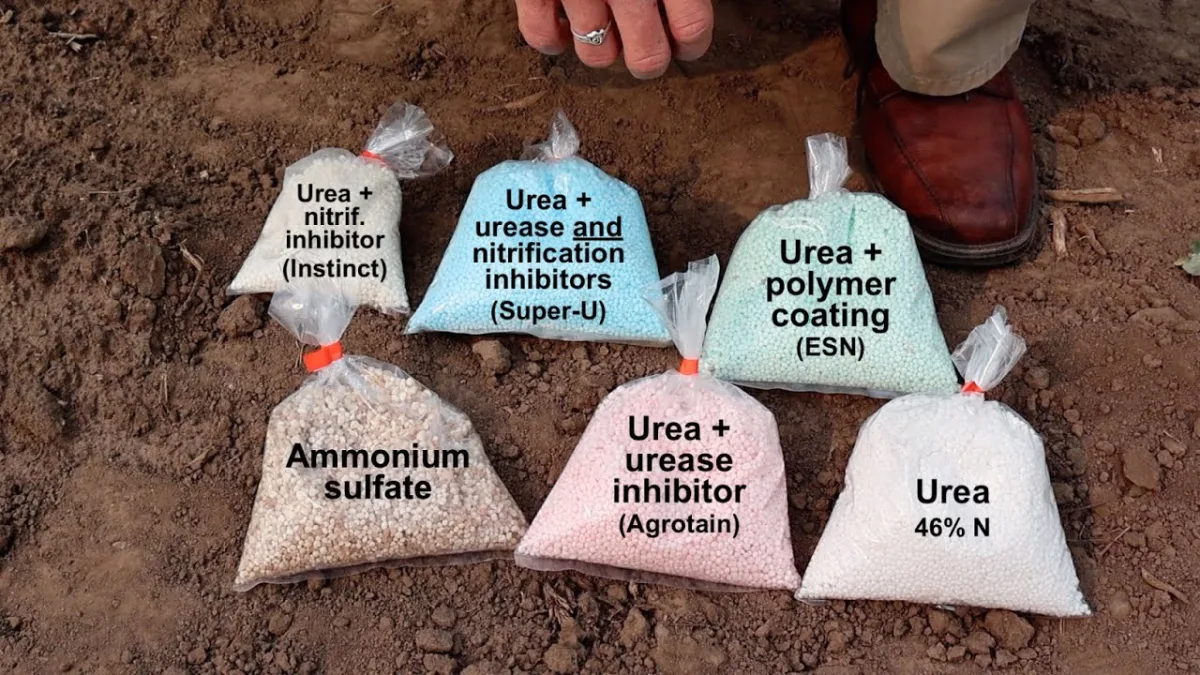
Nitrogen is a key plant nutrient; however, its efficient uptake is limited by the physicochemical processes of transformation in the soil. The losses of this element during fertilizer application reduce yield and the economic return on agrotechnical practices. Understanding the dynamics of the nitrogen regime, as well as the factors behind its leaching and volatilization, is critically important for practicing agronomists and specialists striving to optimize crop nutrition and maintain soil fertility.
This collection brings together scientific and applied materials that reveal ways to increase the efficiency of nitrogen fertilizers. The articles examine the mechanisms of using nitrification inhibitors, methods for calculating nutrient balance, and the specifics of using various types of fertilizers: from ammonium sulfate and ammonium nitrate to organic forms, including liquid manure and poultry manure. Readers will find information on fertilizer mixing technologies, regulations for their application in crop rotation, and the impact of nitrogen compounds on the agroecosystem. The materials also touch upon the theoretical foundations of domestic agrochemistry, which allows for a systematic approach to solving the problems of rational management of nitrogen metabolism at the field level.