
Transformation of nitrogen compounds and distribution of its reserves in various types of soil
9 min read
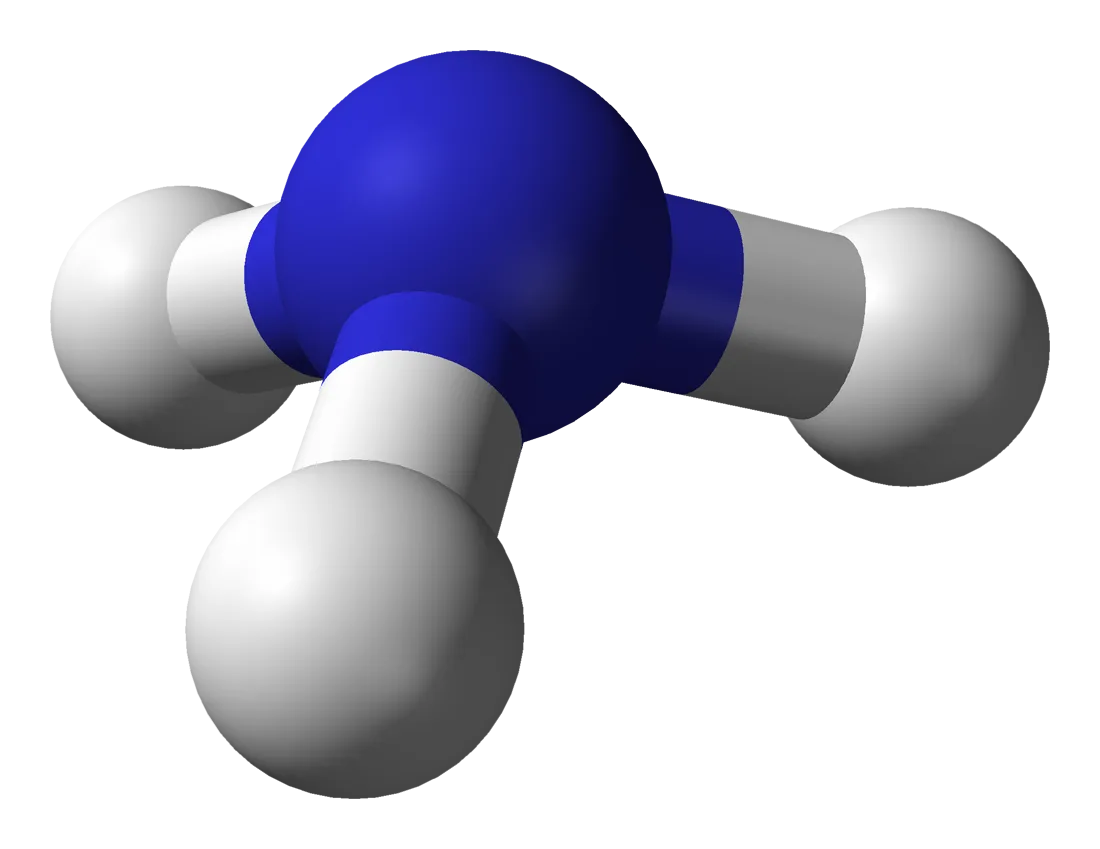
The efficiency of nitrogen fertilizers directly depends on the form in which the element exists in the soil and how it is transformed under the influence of microflora. Plants assimilate only mineral nitrogen; however, the vast majority of its soil reserves are bound in organic compounds. Understanding these transformations helps the agronomist accurately calculate nutrition doses and predict their efficiency in a specific field.
- Nitrogen in the atmosphere (molecular) — 80%
- Organic form of nitrogen in soil — up to 99%
- Clarke of nitrogen in soils — 0.1%
- Average clarke of nitrogen in plants — 0.3%
Distribution of reserves and forms of nitrogen in the soil profile
Humus serves as the main source of nitrogen in the soil: the richer the soil is in humus, the higher its nitrogen content. Soil organic nitrogen is divided into three fractions: easily hydrolyzable, difficultly hydrolyzable, and non-hydrolyzable residue. Depending on the soil type, total nitrogen reserves and the ratio of its forms differ significantly. The tables below show the average indicators of the content of these forms for the main soil types.
Easily hydrolyzable nitrogen, together with mineral nitrogen, constitutes the most accessible part of the soil nitrogen pool for plants, but their share in the total balance is relatively small.
The ratio of humus and total nitrogen in the arable layer of various soil types:
| Soil type | Humus content, % | Nitrogen content, % |
|---|---|---|
| Chernozems | 3.5–6.5 | 0.18–0.40 |
| Meadow-chernozemic | 3.8–6.5 | 0.20–0.35 |
| Grey forest | 2.1–5.4 | 0.16–0.31 |
| Brown forest | 2.1–4.4 | 0.10–0.20 |
Total nitrogen reserves in the one-meter layer and the ratio of its fractions by soil type:
| Soil type | Reserve in 0–100 cm layer, t/ha | Mineral + easily hydrolyzable nitrogen, % | Difficultly hydrolyzable nitrogen, % | Non-hydrolyzable residue, % |
|---|---|---|---|---|
| Sod-podzolic | 6.6 | 8–11 | 10–20 | 69–82 |
| Bog | 60.0 | 2–3 | 18–20 | 77–80 |
| Grey forest | 12.0 | 8–13 | 15–24 | 63–77 |
| Typical chernozems | 35.8 | 12–15 | 18–22 | 58–69 |
| Southern chernozems | 17.0 | 18–22 | 26–42 | 35–52 |
| Chestnut | 10.9 | 12–15 | 15–19 | 66–73 |
| Serozems | 7.5 | 10–16 | 20–25 | 59–70 |
| Krasnozems | 10.5 | 8–10 | 14–18 | 72–78 |
For a complete picture of the element's distribution in the biosphere, it is worth considering its clarkes in other environments. In the Earth's crust, the nitrogen content is 0.02%, in seawater — 1·10–5%, and in the bodies of animals, it reaches 3.1%. These indicators emphasize the uniqueness of soil as the main accumulator of organic nitrogen on land.
Biological cycle and stages of nitrogen transformation
Nitrogen in the biosphere is in a state of continuous cyclic transformations, in which soil microflora plays a key role. The nitrogen cycle consists of the fixation of molecular nitrogen from the air, the oxidation and reduction of mineral and organic nitrogen-containing compounds. A smaller specific mass in these transformations falls on purely chemical and physicochemical reactions. The entire cycle includes the processes of nitrogen fixation, denitrification, mineralization, and immobilization.
Mineralization and immobilization determine the content of mobile forms of nutrients in the soil and the conditions of plant nutrition. Mineralization processes convert the nitrogen of organic substances into a highly accessible mineral form. Immobilization processes are exactly the opposite and transform water-soluble compounds back into poorly soluble forms. The mineralization of organic nitrogen in the soil consists of ammonification and nitrification processes.
Under unfavorable conditions, nitrate nitrogen is easily leached from the root zone of the soil, and during active denitrification or disruption of ammonification processes, direct gaseous nitrogen losses occur in the form of ammonia (NH3), oxides (NO, N2O), and molecular gas (N2).
The nitrogen of soil organic matter remains completely inaccessible to plants until it goes through all stages of mineralization. The conversion of nitrogen compounds occurs with the participation of soil microorganisms and the enzymes they produce. Below is the sequence of protein breakdown to ammonia during ammonification.
- Protein breakdown: under the influence of proteinase enzymes, complex protein molecules break down into polypeptides and oligopeptides.
- Peptide hydrolysis: peptidase enzymes convert the resulting peptide chains into free amino acids.
- Deamination and deamidation: deaminase and deamidase enzymes destroy amino acids and amides, releasing free ammonia (NH3).
- Ammonium formation: the released ammonia interacts with soil moisture (NH3 + H2O = NH4OH) to form an ammonium ion (NH4+), which is then adsorbed by the soil or assimilated by plants.
Ammonification and nitrification: how organic matter turns into available nitrogen
Ammonification is the breakdown of organic nitrogen-containing compounds with the release of ammonia. This process is carried out by an extensive group of nonspecific soil microorganisms: aerobic and anaerobic bacteria, actinomycetes, and molds. Most of them are omnivorous (polyphages) and often prefer carbohydrates to proteins as an energy source.
The process occurs in almost all soils, but its speed strongly depends on environmental conditions. In highly acidic or alkaline conditions, as well as in the lack of oxygen (in an anaerobic environment), ammonification slows down significantly. At the same time, a lack of air directly affects the composition of decomposition products: in aerobic conditions, ammonia, carbon dioxide, water, hydrogen sulfide, and salts of phosphoric acid are formed, while in anaerobic conditions, diamides (ptomaines) toxic to plants accumulate.
The decomposition of amino acids, using the simplest amino acid glycine as an example, proceeds in several directions with the formation of formic acid, acetic acid, or methyl alcohol. The released ammonia subsequently enters into secondary reactions in the soil. It interacts with acids, is adsorbed by soil colloids, is assimilated by plants, or volatilizes into the atmosphere as a gas.
- CH2NH2COOH + O2 = HCOOH + CO2 + NH3 (with the formation of formic acid)
- CH2NH2COOH + H2O = CH3OH + CO2 + NH3 (with the formation of methyl alcohol)
- CH2NН2COOH + H2 = CH3COOH + NH3 (with the formation of acetic acid)
- 2NH3 + H2CO3 = (NH4)2CO3
- [Soil adsorption complex]2Ca + (NH4)2CO3 → [Soil adsorption complex]Сa(NH4)2CO3 → NH4HCO3 + NH3↑
Nitrification converts ammonium nitrogen into the nitrate form, which serves as the main source of nitrogen nutrition for plants. This is a strictly specialized two-stage process occurring under the influence of autotrophic bacteria. Nitrifiers themselves are few in the soil and occupy a small fraction of the microbial biomass, yet they possess high activity.
- First phase (oxidation of ammonia to nitrite): 2NH3 + 3O2 = 2HNO2 + 2H2O. The process is carried out by nitrous bacteria of the genera Nitrosomonas, Nitrosocystis, Nitrosolobus, and Nitrosospira.
- Second phase (oxidation of nitrite to nitrate): 2HNO2 + O2 = 2HNO3. The process is carried out by nitrate bacteria of the genera Nitrobacter, Nitrospina, and Nitrococcus.
Nitrification proceeds most intensively with air access, a temperature of 25–32 °C, soil moisture at a level of 60–70% of capillary water capacity, and a medium reaction of pH 6.2–8.2. In practice, the process can be accelerated through high-quality tillage, liming of acidic soils, and fertilizer application. The resulting nitric acid is neutralized by salts and adsorbed soil bases.
Nitrate nitrogen is not adsorbed by soil colloids and is found in the soil solution. It moves easily and is leached down through the profile. To minimize nitrogen losses from leaching, avoid periods of fallow land — growing crops effectively intercept nitrates.
Denitrification and ways of natural nitrogen supply replenishment
Denitrification converts nitrates into gaseous forms of nitrogen (NO₂, NO, N₂O, N₂), which leads to its direct loss from the soil. Indirect denitrification is distinguished, which proceeds chemically through the interaction of nitrous acid with amines, and direct — biological. Direct denitrification is caused by bacteria Bac. denitrificans, Bac. stutzeri, Bac. fluorescens, and Bac. pyocyaneum, which use the oxygen from nitrates to oxidize organic matter.
The chemistry of biological reduction of nitric acid to nitrogen oxide and free nitrogen proceeds according to the following reactions:
- C6H12O6 + 6HNO3 → 6CO2 + 9H2O + 3N2O↑ (+2289 kJ)
- 5C6H12O6 + 24HNO3 → 30CO2 + 42H2O + 12N2↑ (+2394 kJ per 1 mole of glucose)
Denitrification is most active in poorly drained soils with an abundance of organic matter, a neutral medium reaction, and a temperature of about 25 °C. During wet and warm periods, denitrification accelerates, leading to significant nitrogen losses in gaseous form, including nitrous oxide N₂O. At the same time, the daily emission of nitrous oxide from the soil into the atmosphere ranges from trace amounts to 0.02–0.05 mg N/m².
The agronomic significance of denitrification depends on the depth at which it occurs. In the root zone, this process reduces crop nitrogen supply and harms the harvest. However, below the root zone, denitrification is beneficial as it prevents groundwater pollution by leached nitrates.
Nitrogen losses are partially compensated by its natural input from the atmosphere and microbiological nitrogen fixation. Under normal conditions, precipitation brings ammonium and nitrate nitrogen into the soil. Additionally, nitrogen is fixed by free-living aerobic bacteria Azotobacter chroococeum and anaerobic Clostridium pasteurianum.
| Nitrogen source | Conditions and microorganisms | Nitrogen input volume, kg/ha per year |
|---|---|---|
| Precipitation | In ammonium and nitrate form | 2–11 |
| Free-living nitrogen fixers | Aerobic and anaerobic bacteria in common soils | 7.5–42 |
| Free-living nitrogen fixers under rice | In flooded conditions | 60–70 |
With the application of low doses of nitrogen fertilizers and artificial soil inoculation with microorganisms, the efficiency of fixation increases. Under such conditions, non-legume crops are able to assimilate between 7 and 16 % of their total nutrient uptake from fixed nitrogen.
Symbiotic nitrogen fixation is a natural way to enrich the soil with nitrogen without extra costs. Nodule bacteria of the genus Rhizobium, which develop in symbiosis with grain legumes, are capable of accumulating significant volumes of nitrogen per hectare. To ensure the bacteria work effectively, provide them with optimal conditions: a neutral or slightly acidic medium reaction (pH 6–7), a high content of organic matter, mobile phosphorus and potassium, as well as a sufficient supply of boron and molybdenum.
- Nitrogen fixation by alfalfa — 250–300 kg/ha
- Nitrogen fixation by clover — 150–160 kg/ha
- Nitrogen fixation by soybean — 100 kg/ha
- Nitrogen fixation by vetch, pea, bean — 70–80 kg/ha
How to reduce nitrogen losses in the field
Plants use only 35–50% of the nitrogen from applied mineral fertilizers. About 25% of nitrogen is temporarily immobilized by microflora and incorporated into humus. Direct nitrogen losses from the soil range from 25 to 40%, of which denitrification accounts for 20% and leaching for 5%. Mineral nitrogen is lost due to microbial uptake, non-exchangeable ammonium fixation, nitrate leaching, and gaseous losses.
To compensate for nitrogen immobilization by microflora when incorporating straw or large amounts of crop residues (due to a wide carbon-to-nitrogen ratio), add mineral nitrogen at a rate of approximately 1% of the straw mass.
Do not apply ammonium nitrogen fertilizers to the surface layer of the soil, which is subject to constant drying and wetting. This promotes non-exchangeable ammonium fixation by the soil, rendering the element unavailable.
Nitrate leaching can be significantly reduced through proper fertilizer application tactics:
- apply nitrogen as close as possible to the start of the plant's active uptake period;
- time top dressing to coincide with the phases of maximum element uptake by the crop;
- split the total nitrogen application rate into several applications;
- select optimal forms of nitrogen fertilizers for specific conditions.
A significant portion of nitrogen escapes from the soil in gaseous form. These losses account for a substantial share of the volume of applied fertilizers.
| Form of loss | Losses from applied nitrogen, % |
|---|---|
| Gaseous losses (NH3, N2O, N2) | 10–35 |
Nitrogen losses in the form of ammonia rise sharply to 10–40% on calcareous and alkaline soils. This is also facilitated by surface application of urea, excess organic matter in the soil, high humidity, and increased air temperature.
For precise management of the nitrogen regime, timely diagnostics are required. To assess the overall soil fertility of a field, total nitrogen, fixed ammonium, and mineral nitrogen (nitrate and ammonium) are determined. To calculate the specific fertilizer requirements of a crop before application, easily hydrolyzable and mineral nitrogen are analyzed.
Read next
Agrochemistry For students
The influence of the redox regime on soil fertility and plant nutrition
Nutrition and fertilizers For gardeners
Agrochemical soil indicators and an effective fertilizer application strategy
Ecology For students