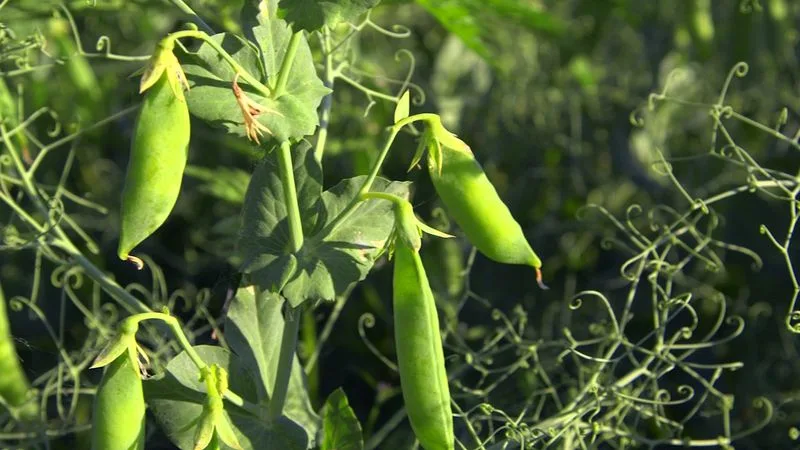
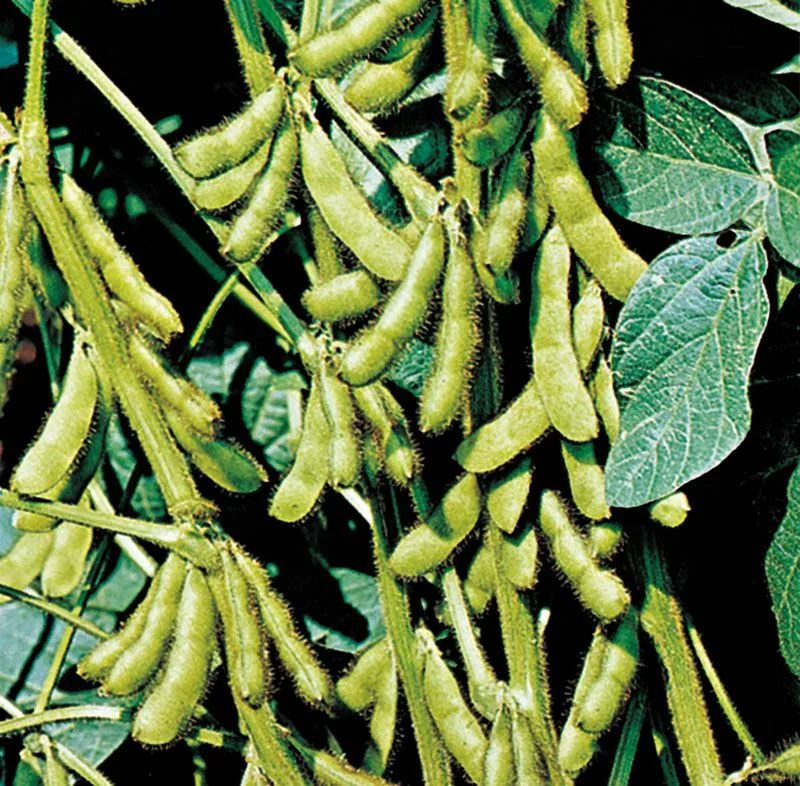
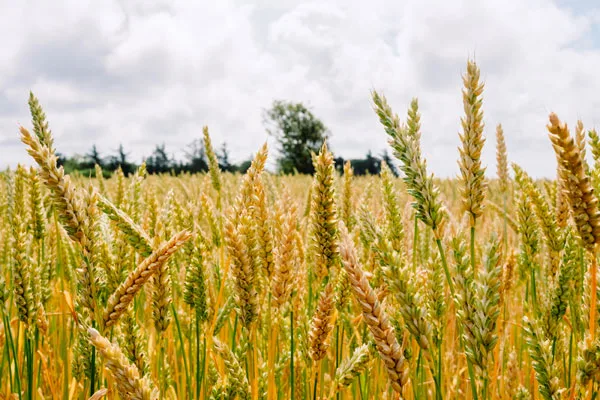
Legume crops occupy a central place in modern plant production, serving as a vital link in the food and feed base. Their key biological feature is the ability to form a symbiosis with nodule bacteria, which allows plants to fix nitrogen from the air, significantly increasing soil fertility. For agronomists and gardeners, these crops are valuable not only as an independent source of harvest but also as the best predecessors for winter cereals, though they require a specific approach to tillage and nutrient management.
This collection gathers the theoretical and practical material necessary for the successful cultivation of legumes. Readers will find information here on botanical classification, the specifics of seed germination, and plant structure. Particular attention is paid to agrotechnics, methods of optimizing mineral nutrition, calculating the nutrient balance, and conserving humus. We also reveal the role of secondary nutrients, such as sulfur, and the impact of balanced nutrition on carbohydrate accumulation and product quality. The materials cover both applied recommendations for home gardens and the fundamental agrochemical principles that underlie effective farming.