
Classification and economic importance of cereals and grain legumes
4 min read
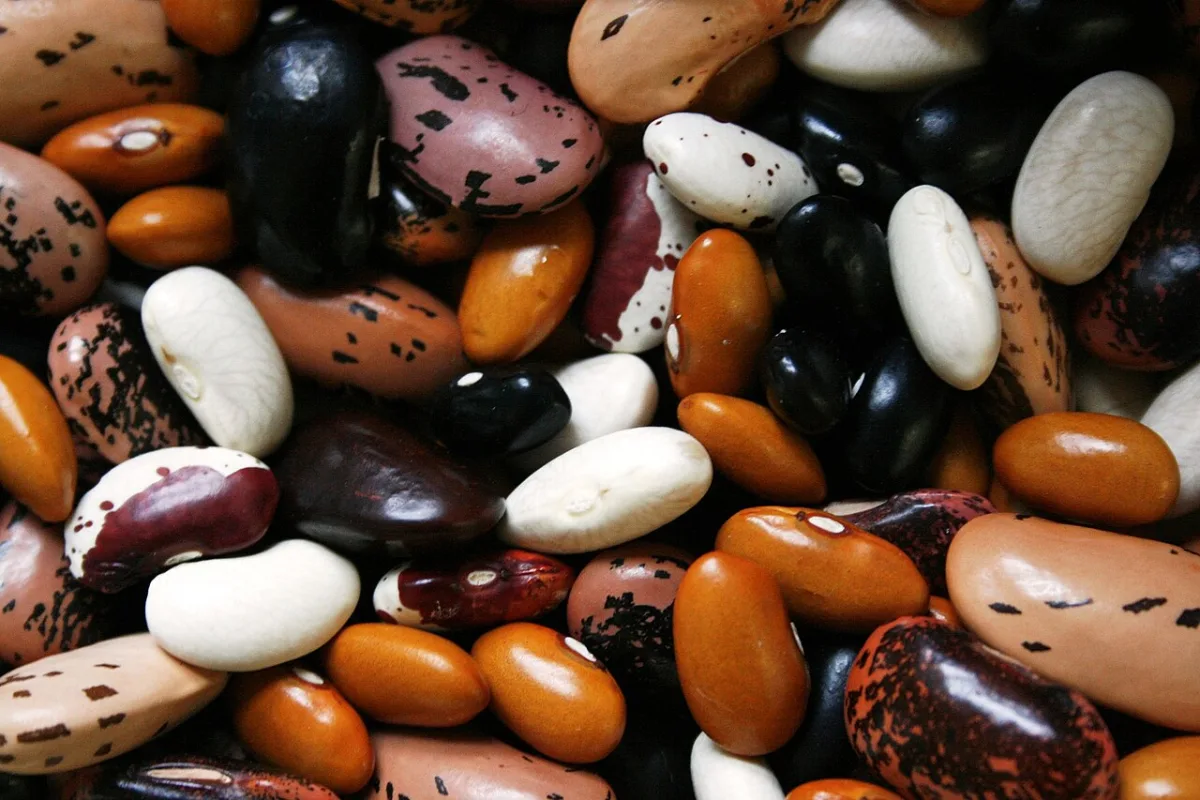
The choice of crops for crop rotation directly determines the farm's economics. Cereals and grain legumes form the basis of the feed supply and the raw material sector of the processing industry. In addition to grain, they provide straw, silage, green fodder, and also serve as raw materials for medicine, while buckwheat flowers are valued as an excellent honey plant. To obtain stable yields, an agronomist needs to take into account the biological requirements of each group of plants.
- Average yield of cereals in Belarus — 30–35 centners/ha
- Yield of advanced farms — 50–105 centners/ha
- Number of seminal roots in group 1 cereals — 3–5 and more
- Number of seminal roots in group 2 cereals — 1
For competent planning of crop rotation, crops are classified according to their botanical origin and economic purpose. In practice, there are three main groups: bread cereals, millet-type cereals, and grain legumes. It is important to remember the biological differences between families, as they determine the technology of crop care.
- Bread and millet-type cereals of the Poaceae family: wheat, rye, barley, oats, triticale, rice, millet, maize, sorghum, foxtail millet.
- Millet-type crops of the Polygonaceae family: buckwheat.
- Grain legumes: peas, beans, lentils, soy, chickpeas, fava beans, lupin.
An urgent task for farms is to raise the average yield of cereals to the level of the leaders (from 50 to 80–105 centners/ha), while simultaneously improving the quality of the grain obtained.
Biological features of group one and group two cereals
All cereal crops, based on their botanical and ecological properties, are divided into spike-bearing (first group) and panicle-bearing (second group). This division determines their geographical distribution and requirements for agricultural technology. First-group cereals are better adapted to temperate climates, whereas second-group plants prefer subtropics and tropics.
| Feature | First group cereals (spike-bearing) | Second group cereals (panicle-bearing) |
|---|---|---|
| Crops | Wheat, rye, barley, oats, triticale | Millet, foxtail millet, sorghum, rice, maize |
| Inflorescence | Spike (panicle in oats) | Panicle (in maize: male — panicle, female — cob) |
| Fruit (caryopsis) | With an oblong groove | Without a groove |
| Stem (straw) | Usually hollow | With a solid pith |
| Seed germination | With several seminal roots (3–5 and more) | With one seminal root |
| Plant forms | Winter and spring | Spring only |
| Response to heat and light | Less demanding of heat, long-day plants | More demanding of heat and light, short-day plants |
| Response to moisture | More demanding of moisture | Drought-resistant (except for rice) |
Although second-group cereals are considered drought-resistant, rice is an exception to this rule and requires abundant irrigation.
In global production, maximum grain harvests are provided by maize, rice, barley, and winter wheat. The yields of rye, millet, buckwheat, and grain legumes are biologically lower. In the structure of sown areas in Belarus, food cereals (wheat, rye, triticale) dominate, followed by forage crops (barley, oats, maize), and the list ends with grain legumes and millet-type crops.
Cereals and legume crops are also significant for pharmacology. Aqueous infusions of flowers and bean pods help in the treatment of diabetes, hypertension, rheumatism, and urolithiasis. Preparations from maize stigmas are used as a choleretic agent for hepatitis and cholecystitis, and corn and linseed oils prevent atherosclerosis. In folk medicine, decoctions from oat straw, oat grains, and buckwheat flowers are also used.
Read next
Crop production For students
Biological characteristics and morphological structure of cereal crops
Crop production For students
Economic importance, morphology and history of sorghum cultivation
Crop production For students