
Biological characteristics and morphological structure of cereal crops
7 min read
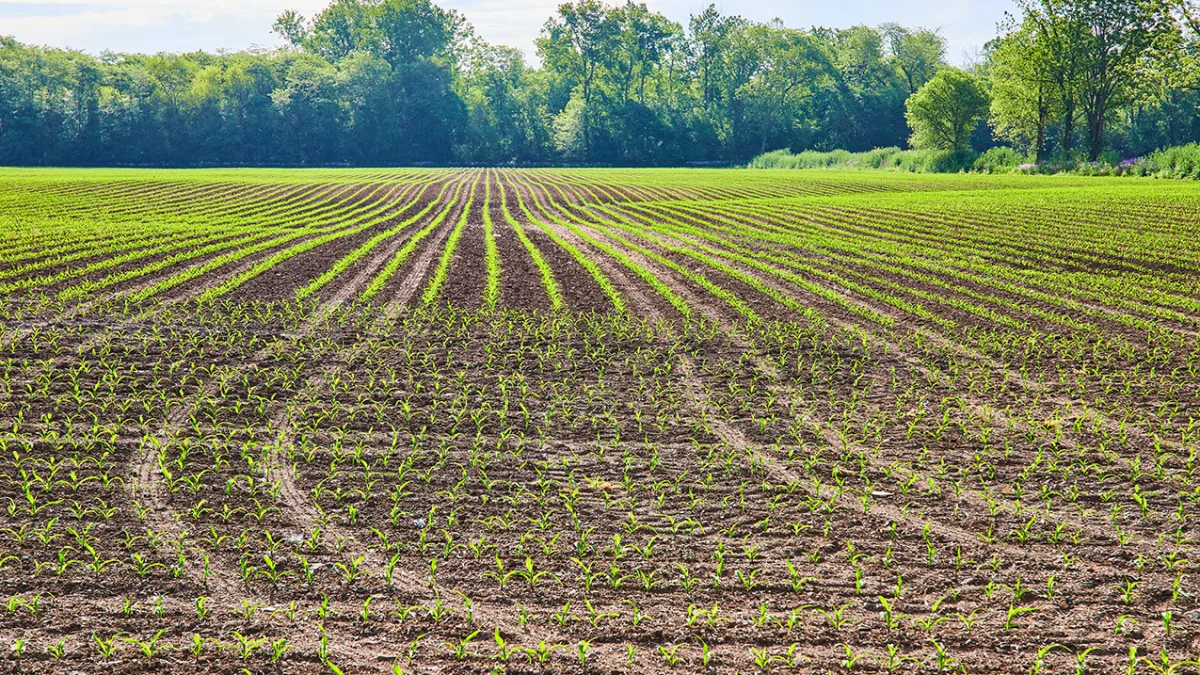
Cereal crops are the foundation of crop production due to their high nutritional value, excellent digestibility, and low production costs. Grain is convenient to store and transport, and cereals themselves possess high ecological plasticity and the highest multiplication rate among all field crops. To obtain stable yields with specific quality parameters, an agronomist must understand the structural features and chemical composition of the caryopsis.
- Proportion of caryopsis coats — 5–7 %
- Proportion of endosperm — 70–85 %
- Humidity of dry grain — ~15 %
- Ratio of gliadins to glutenins — 1:1
Anatomy of the caryopsis: hulled and naked crops
The fruit of cereals is a single-seeded caryopsis. Based on grain structure, all crops are divided into hulled and naked. In hulled crops (millet, rice, most cultivars of oats, barley, and sorghum), the caryopsis remains covered by floral glumes after threshing. In barley, these are fused with the caryopsis, while in other crops, they only adhere tightly to it. In naked crops (wheat, rye, corn), the floral glumes easily separate during threshing.
Externally, the caryopsis is protected by fruit and seed coats. They account for only 5–7 % of the mass but reliably protect the seed from adverse environmental conditions, pests, and diseases. On the ventral side of the grain, cereals of the first group have a furrow, which is absent in millet-like crops. At the apex of the caryopsis, cereals of the first group have a tuft, but barley and millet-like crops do not.
Anatomically, the caryopsis consists of three main parts: the embryo, the endosperm, and the fused coats. The embryo adjoins the endosperm via the scutellum, the only cotyledon. During germination, the scutellum redirects nutrients to the growing parts of the embryo. The endosperm occupies 70–85 % of the caryopsis mass and is filled with starch.
The outer layer of the endosperm is called the aleurone layer. Its cells are rich in proteins and enzymes that trigger germination but do not contain starch. In barley, the aleurone layer consists of 3–5 rows of cells, while in other crops, it consists of one row.
| Crop | Proportion of embryo in caryopsis, % |
|---|---|
| Rye, barley, triticale | 2.0—2.5 |
| Barley | 3.0—3.5 |
| Corn | up to 12 |
Grain quality management: protein and gluten
Grain humidity at harvesting ranges from 10 % to 30 %, but after drying, the moisture content is reduced to approximately 15 % to ensure reliable storage. Dry matter consists of carbohydrates, proteins, fats, mineral salts, and vitamins. Nitrogenous substances are of particular importance. Non-protein nitrogen accounts for only 2–3 %, while the rest is represented by proteins, peptides, and glycoproteins.
Protein accumulation in the grain depends directly on climate and geography. Protein content increases as crops are moved from north to south and from west to east. This effect is most pronounced in the forest-steppe zone of Russia and to a lesser extent in Belarus. The main factors here are the dryness of the air and the high nitrogen content in the soil.
Harvesting wheat in the dough stage allows for obtaining a higher protein content in the grain than at harvesting in the full ripeness stage.
An agronomist can actively influence protein accumulation in the grain through cultivation technology. To achieve this, it is necessary to select predecessors correctly and carry out plant protection measures in a timely manner. Maximum protein accumulation is facilitated by the following practices:
- placing crops after the best predecessors (black fallow, grain legumes, perennial legume grasses);
- application of organic and mineral fertilizer;
- reliable protection of crops from pests and diseases;
- timely harvesting.
The most important quality indicator for bread-making flour is gluten. It is a clot of protein substances remaining after washing the dough free of starch. Its composition includes water-insoluble proteins — gliadins and glutenins. For baking high-quality bread, their ratio should be approximately 1:1. High-quality gluten is capable of stretching well in length and resisting rupture.
| Crop | Gluten content in grain, % |
|---|---|
| Wheat | 16—52 |
| Triticale | 28—44 |
| Rye | 8—26 |
| Barley | 6—20 |
In addition to gluten-forming proteins, the grain contains water-soluble albumins and salt-soluble globulins. The value of the grain is also determined by the presence of essential amino acids. These include lysine, tryptophan, valine, and other biologically active substances.
Carbohydrates make up the predominant part of the grain of Poaceae crops and are represented mainly by starch. About 80% of all carbohydrates are concentrated in the endosperm, while soluble sugars account for only 2–3%, localized primarily in the embryo. The structure of the endosperm depends directly on the ratio of starch to protein. In mealy grain, the spaces between large starch granules are filled with small starchy fractions, and protein layers remain thin. In vitreous grain, there are practically no small starch granules — all free space is occupied by proteins.
The accumulation of starch in grain varies in the direction opposite to that of protein. Its content consistently increases as crops move from south to north and from west to east.
The fiber (cellulose) content — the main component of cell walls — depends on the huskiness of the crop and the grain size. In hulled cereals, it is concentrated in the floral glumes, while in naked grains, it is found in the fruit coat. The larger the grain, the larger its cell size and the lower the specific weight of fiber. During processing, the majority of the fiber goes into bran; therefore, with fine grinding, flour is maximally cleared of seed coats.
The influence of fats and ash elements on grain storage and processing
Fats in grain account for 2 to 6% and are localized mainly in the germ and the aleurone layer. They are liquid in consistency because they consist primarily of unsaturated fatty acids: oleic, linoleic, and linolenic. Due to the high concentration of lipids in the germ parts, there is a risk of rapid spoilage of the product during storage.
An increased fat content in grain leads to flour rancidity during storage. To improve the shelf life of flour, for example, the germ is necessarily removed from corn before milling, which is then used to obtain valuable food and medicinal oil.
The fat concentration in the germ varies significantly depending on the crop:
- Corn germ — up to 40%
- Oat germ — up to 26%
- Millet germ — up to 20%
- Wheat germ — up to 14%
- Rye and barley germ — up to 12.5%
The mineral composition of grain is represented by phosphorus, potassium, magnesium, calcium, sodium, iron, silicon, sulfur, and chlorine. In microdoses, it also contains manganese, zinc, nickel, cobalt, and other elements. The ratio of these components depends on the crop. For example, oat and millet grain contain significantly more silicon than wheat. The main share of wheat ash is composed of phosphorus, potassium, and magnesium.
| Mineral substance or oxide | Content in wheat grain ash, % |
|---|---|
| Phosphoric acid | about 50 |
| Potassium oxide | about 30 |
| Magnesium | about 12 |
| Calcium | about 2.8 |
Fiber, mineral salts, vitamins (A, B1, B2, C, D, PP, E), and enzymes (amylase, lipase) are concentrated in the peripheral parts of the grain — under the glumes in hulled crops and in the fruit coat in naked crops. Pigments (porphyrins, carotenoids, anthocyanins) that determine the color of the caryopsis are also found there. During fine grinding, all these biologically active components are sifted out together with the bran. This makes the flour cleaner and lighter, but depletes its nutritional properties.
Read next
Agrochemistry For students
Classification and chemical properties of proteins in plant agrochemistry
Agrochemistry For students
The influence of the mineral nutrition system on carbohydrate accumulation in crops
Crop production For students