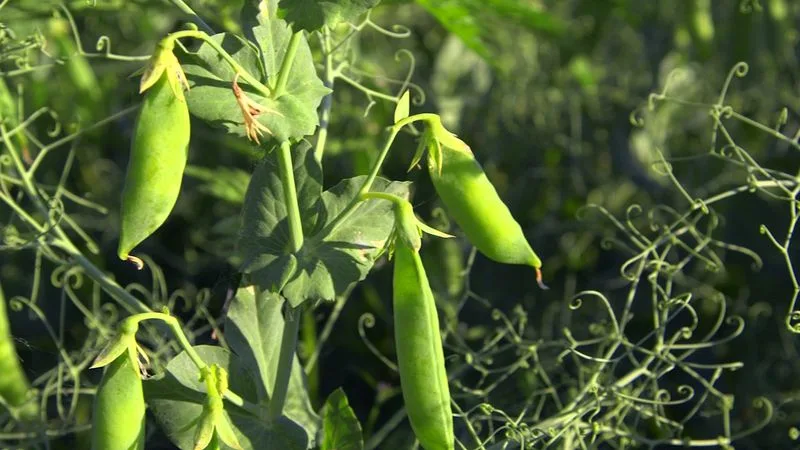
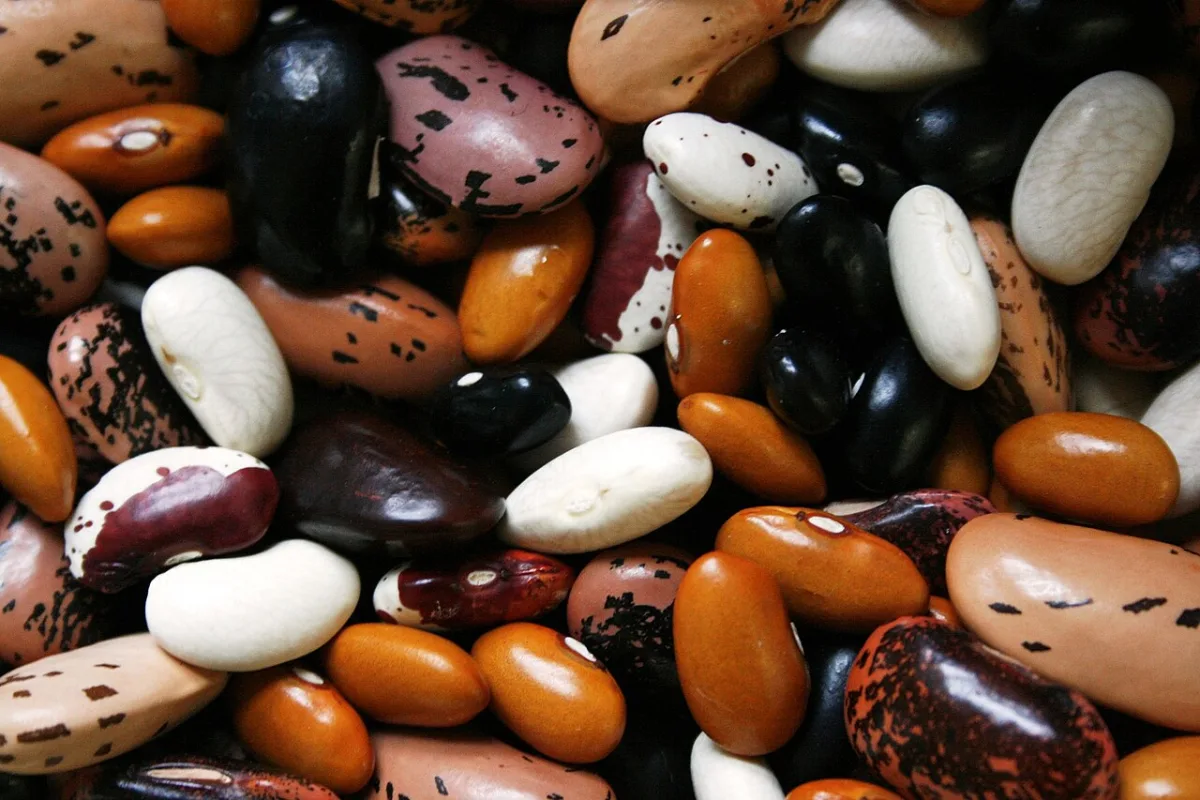
Grain legumes occupy a central place in modern agronomy, serving as the foundation of the food and feed base. For specialists and practitioners, the study of these plants is essential for understanding their biological characteristics, including types of seed germination and the specifics of stem structure. Systematizing knowledge about crop classification allows for competent crop rotation planning and assessment of their economic significance in the structure of sown areas.
In the presented selection, we examine key aspects of working with these crops: from botanical characteristics to soil fertility management technologies. Readers will find practical recommendations on tillage after harvesting grain legumes, which are critical for the successful sowing of winter wheat. The materials also analyze the influence of mineral nutrition on biochemical processes in plants, in particular on the patterns of carbohydrate accumulation. This information will help to optimize agrotechnical measures and increase the efficiency of grain legume cultivation in various production conditions.