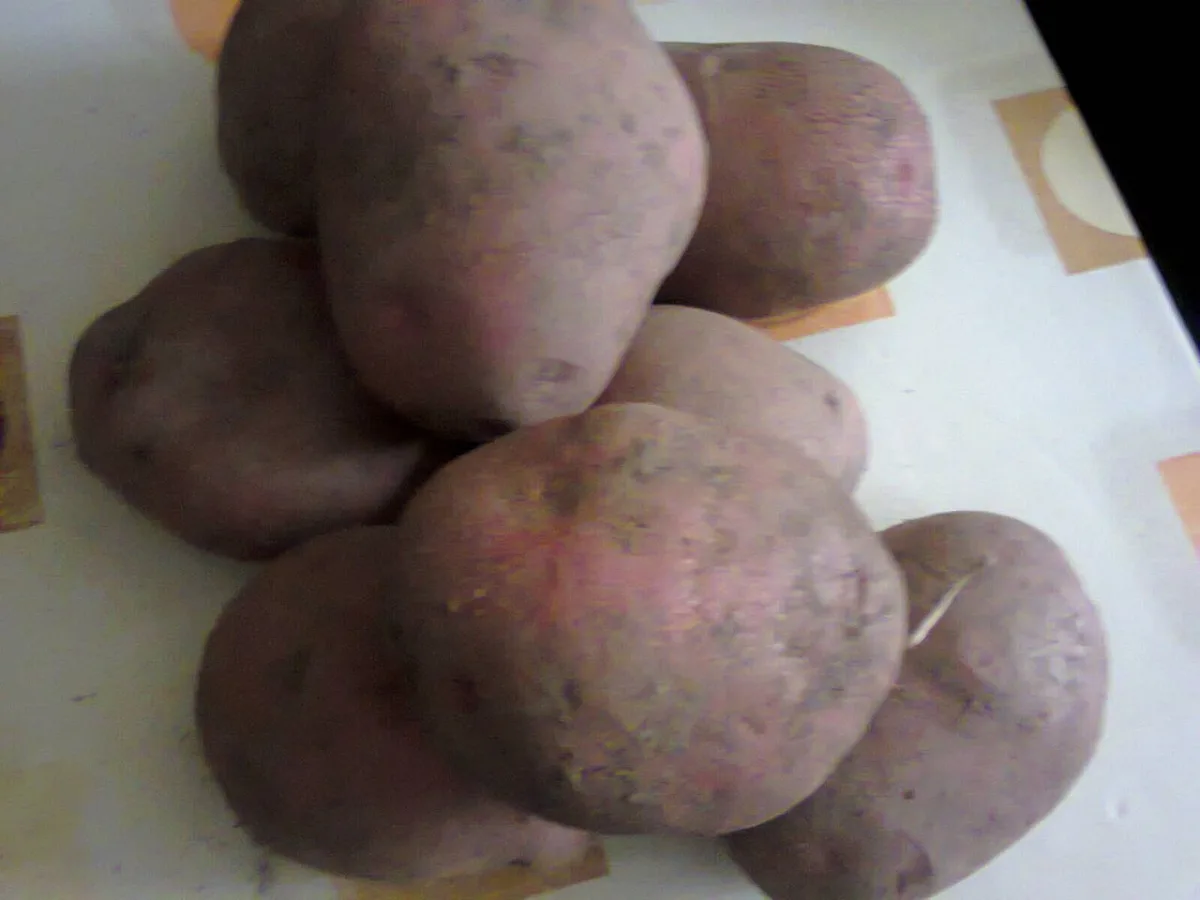
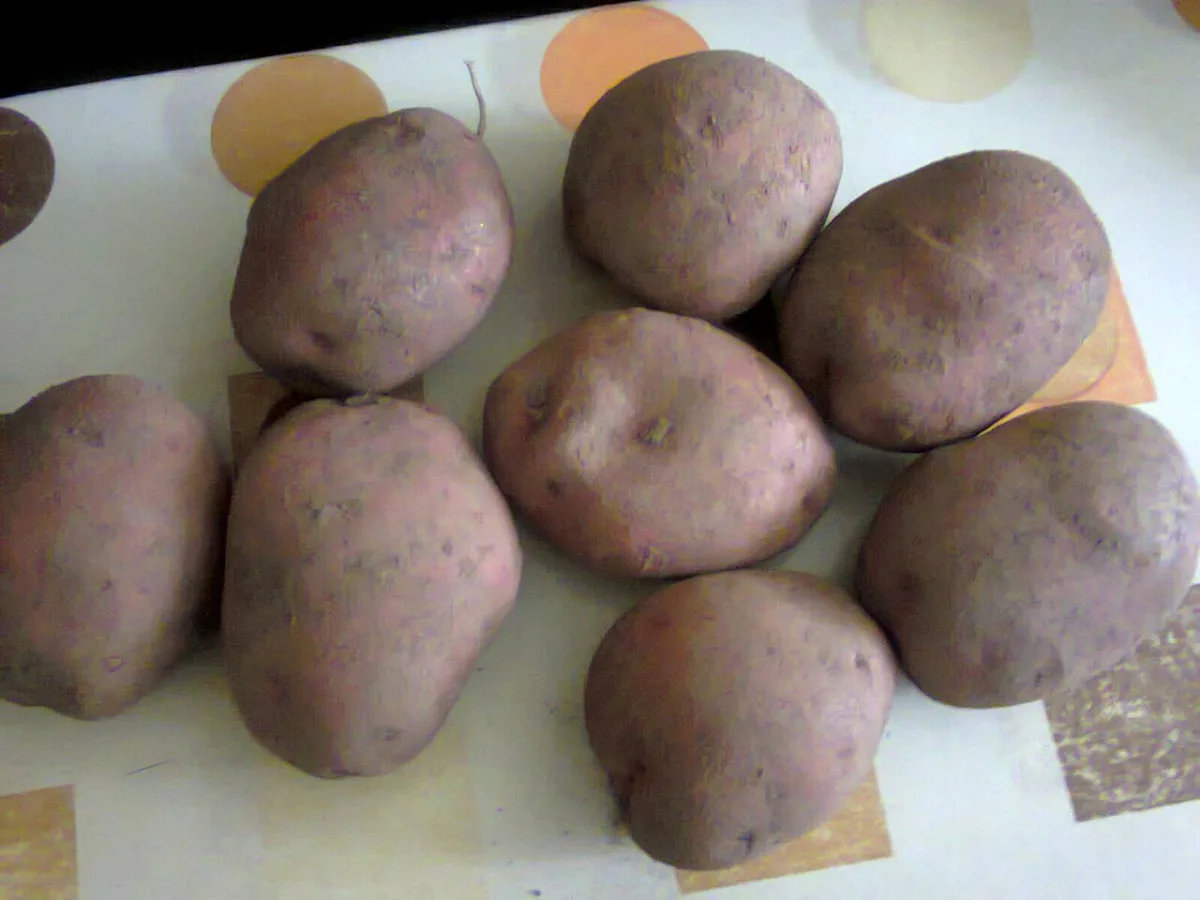
Pre-planting treatment of potato tubers is a critical stage of agrotechnology, which determines future yield and product quality. A competent approach to the preparation of planting material allows minimizing risks associated with the mass spread of pests and the development of fungal diseases, such as silver scurf and common scab. For agronomists and private plot owners, understanding plant protection mechanisms — from seed treatment to balanced nutrition — serves as the foundation for preserving the marketability of tubers not only during the growing season but also during subsequent long-term storage.
In this selection, we have gathered expert materials covering key aspects of working with seed material. Readers will find analytics on the effectiveness of modern insecticidal preparations in combating harmful insects, such as the Colorado potato beetle and wireworm. In addition, the articles reveal the importance of mineral fertilizers and humic acids as natural growth regulators that contribute to increasing plant adaptability to stress factors. Studying this data will help build a systemic strategy for crop care aimed at obtaining a healthy harvest resistant to external influences.