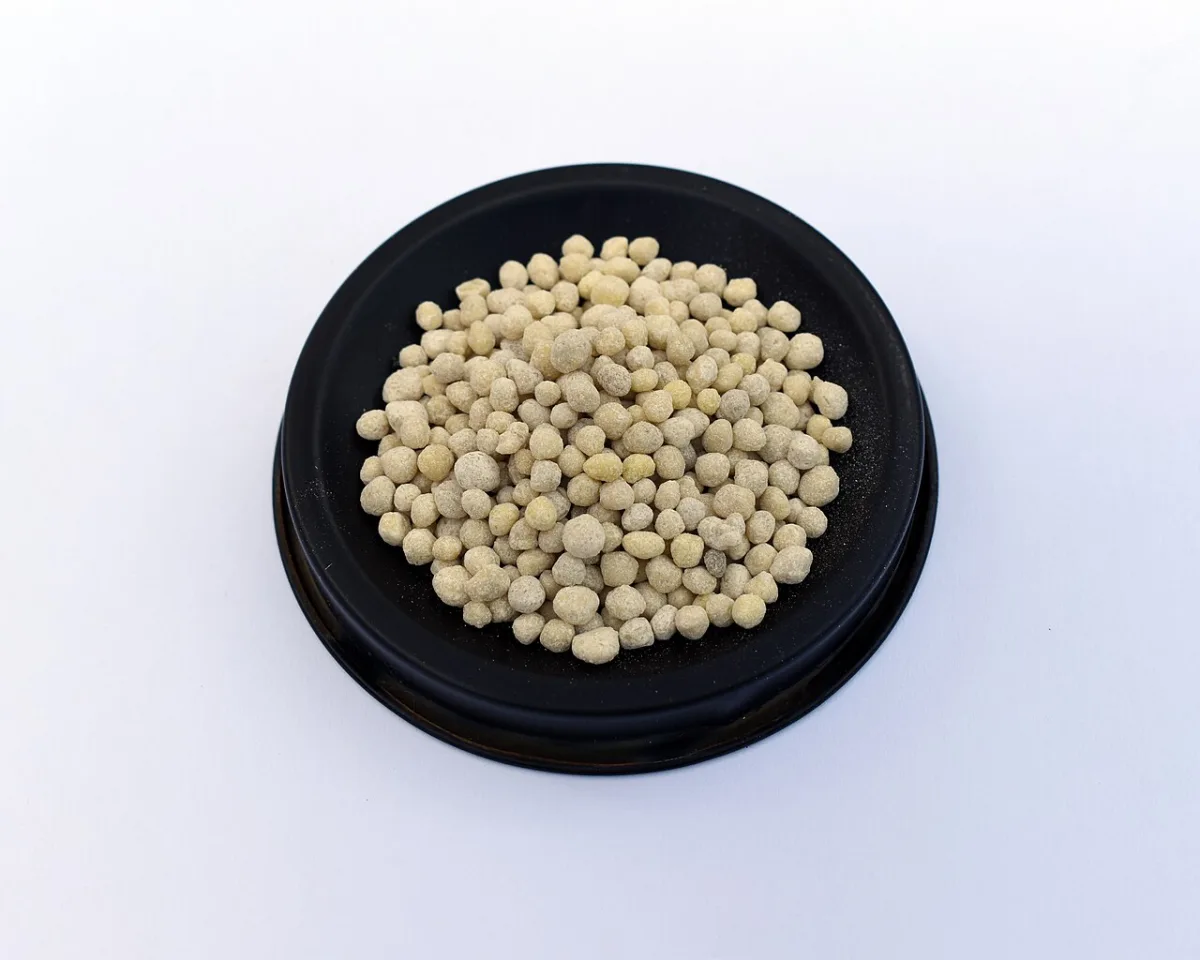
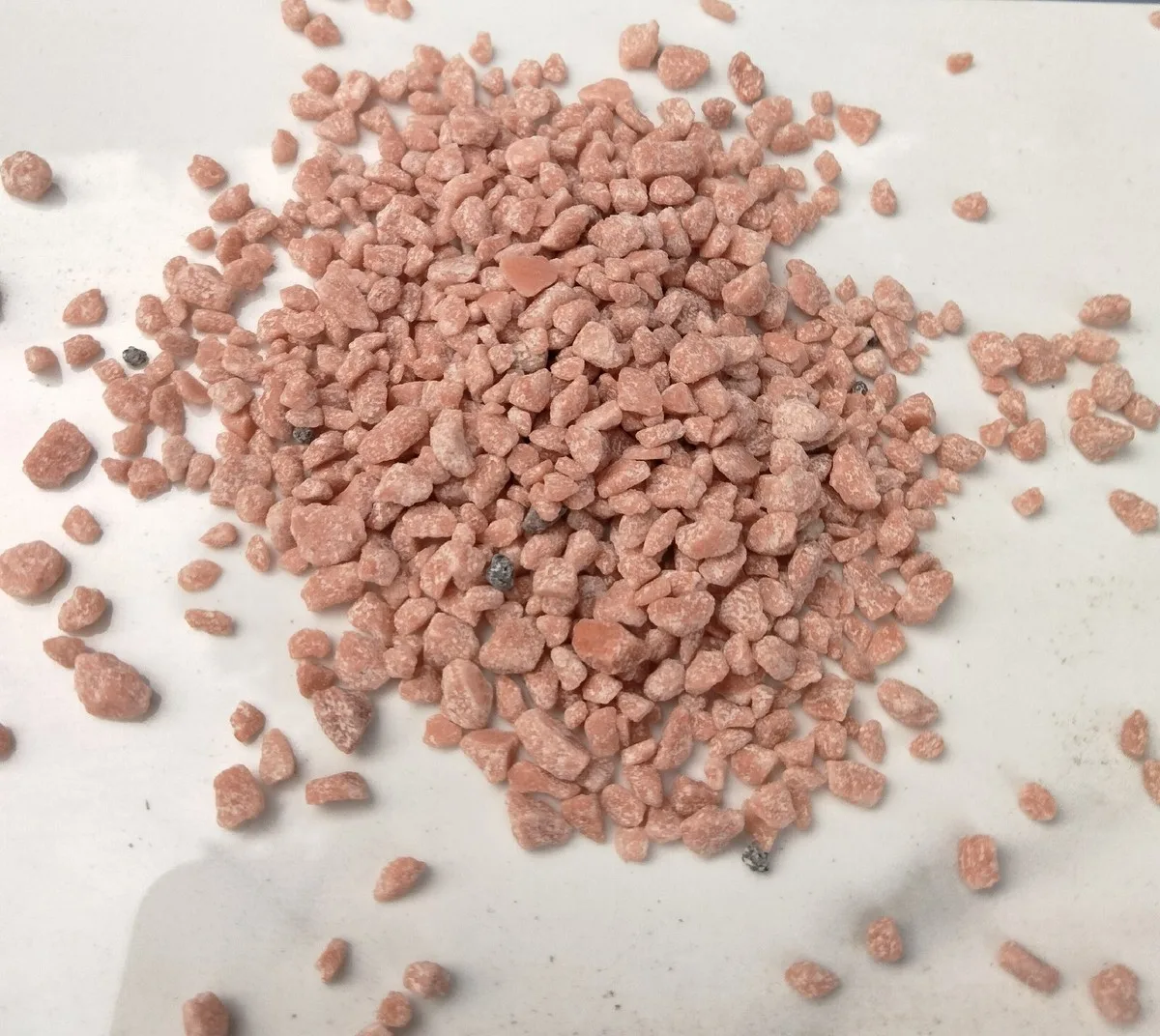
Calcium phosphates and phosphorus fertilizers are fundamental components of modern agriculture, ensuring comprehensive mineral nutrition for crops. Understanding the chemical properties of compounds, such as precipitate or superphosphate, allows an agronomist to competently structure fertilizer application systems, taking into account the specifics of particular soils. Knowledge of the mechanisms of soil absorption capacity and the influence of its acidity on the availability of nutrients is critically important for the effective use of calcium and phosphorus additives on both industrial and household scales.
This collection brings together materials covering both the historical foundations of agrochemistry and modern technologies for the production of compound fertilizers. Readers will find here a detailed analysis of the chemical processes involved in obtaining mineral compositions, methods for analyzing soil fertility, and practical approaches to land reclamation. In addition, the articles highlight techniques for conducting research experiments, including the use of sand cultures to study plant nutrition. This data will help specialists and plot owners optimize agrochemical measures to increase yield and improve product quality.