Concept · 13 articles

Tillering

Tillering is a critical developmental stage for cereal crops, on the success of which plant density and the potential of the future harvest directly depend. During this period, the foundations of crop productivity are laid, and agronomic decisions determine the crop's ability to effectively utilize mineral nutrients, resist weeds, and form high-quality grain. Understanding the processes of organogenesis and the biological characteristics of growth allows an agronomist to competently build a management strategy adapted to specific soil and climatic conditions and the biology of the cultivated crop.

This selection brings together materials that reveal the patterns of cereal development, methods for assessing their nutrient requirements, and principles for constructing fertilization systems. In these articles, the reader will find information on scientifically grounded approaches to the agronomy of winter and spring crops, including issues of chemical plant protection and the use of biological preparations. The presented methods for planning field trials and nutrition systems will help specialists optimize production processes, ensuring high productivity and resilience of agricultural crops in various crop rotation systems.

Crop production For students

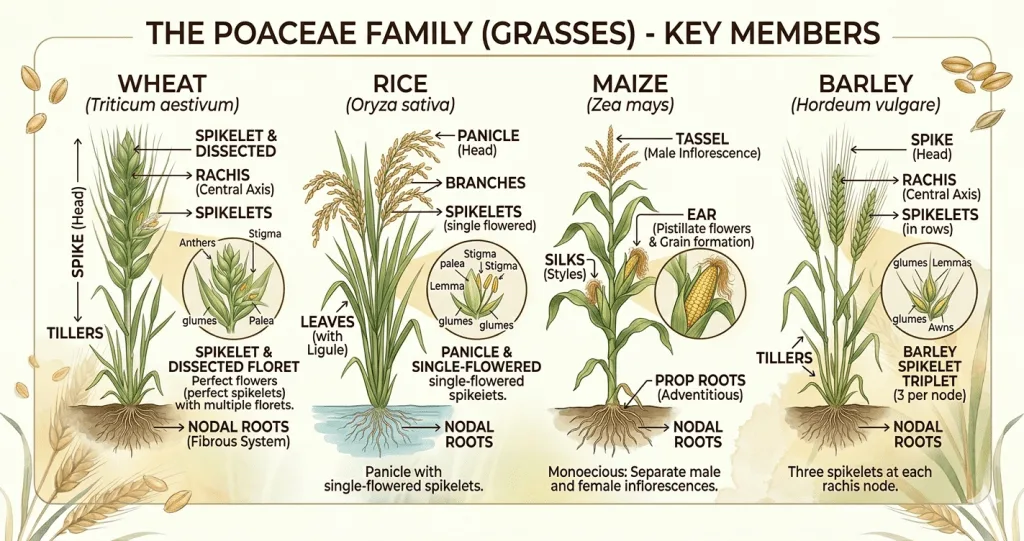
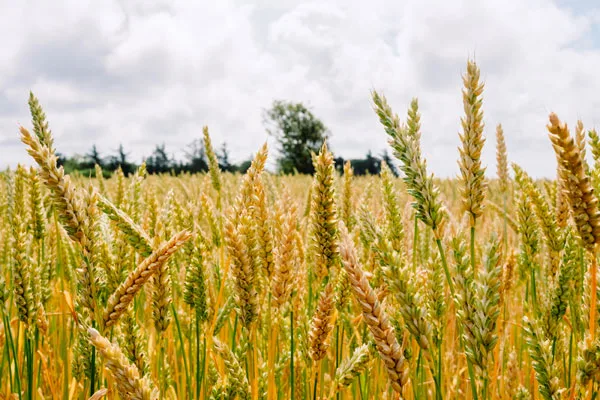
Stages of organogenesis and patterns of cereal crop development

The article examines the biological patterns of cereal crop development, including the classification of six main phenological phases and twelve stages of organogenesis. This material will help agronomists more accurately determine critical growth periods for effective field work planning.

Agrochemistry For students

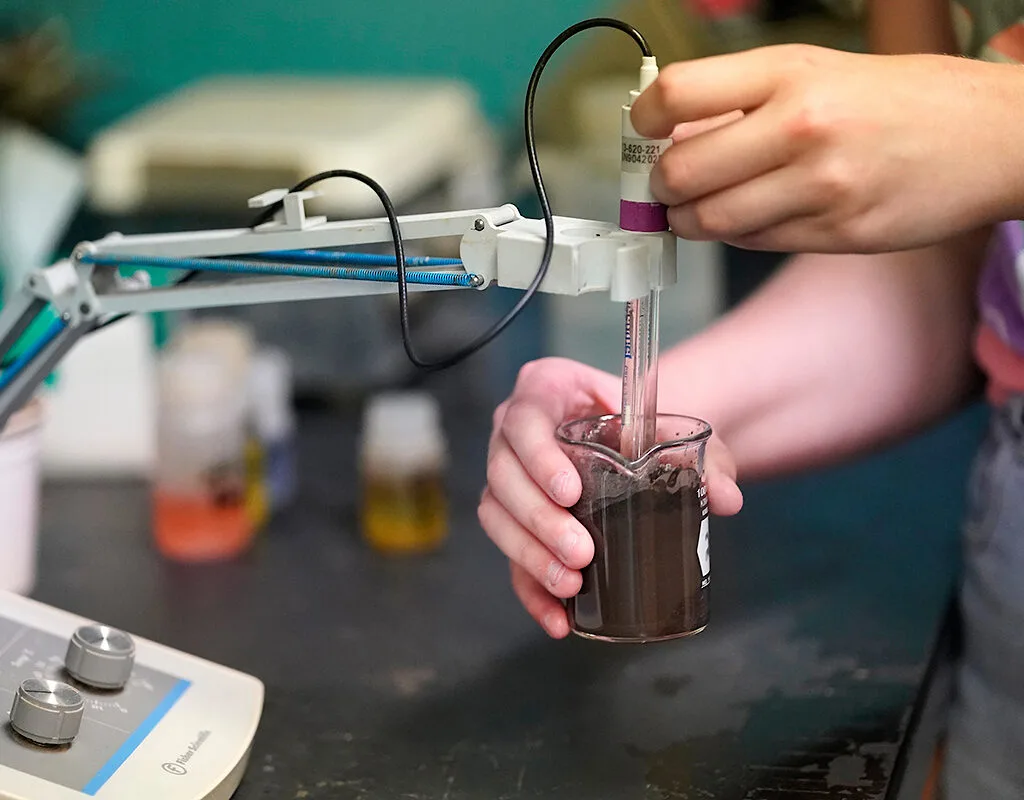
Methodology of planning and technique of conducting field agrochemical experiments

The article describes the stages of preparation for scientific research in agrochemistry: from choosing a topic and formulating a hypothesis to developing a program and structure for a field experiment. The material will help to systematize the approach to establishing experiments and selecting methodological elements

Agrochemistry For students

Methods and principles for determining the mineral fertilizer requirements of crops

Rational fertilizer application requires accurate calculation of nutritional doses based on the biological needs of the crop and the availability of elements in the soil. The article examines formulas for calculating nutrient uptake and methods for diagnosing the state of crops to improve the efficiency of top dressing

Crop production For students

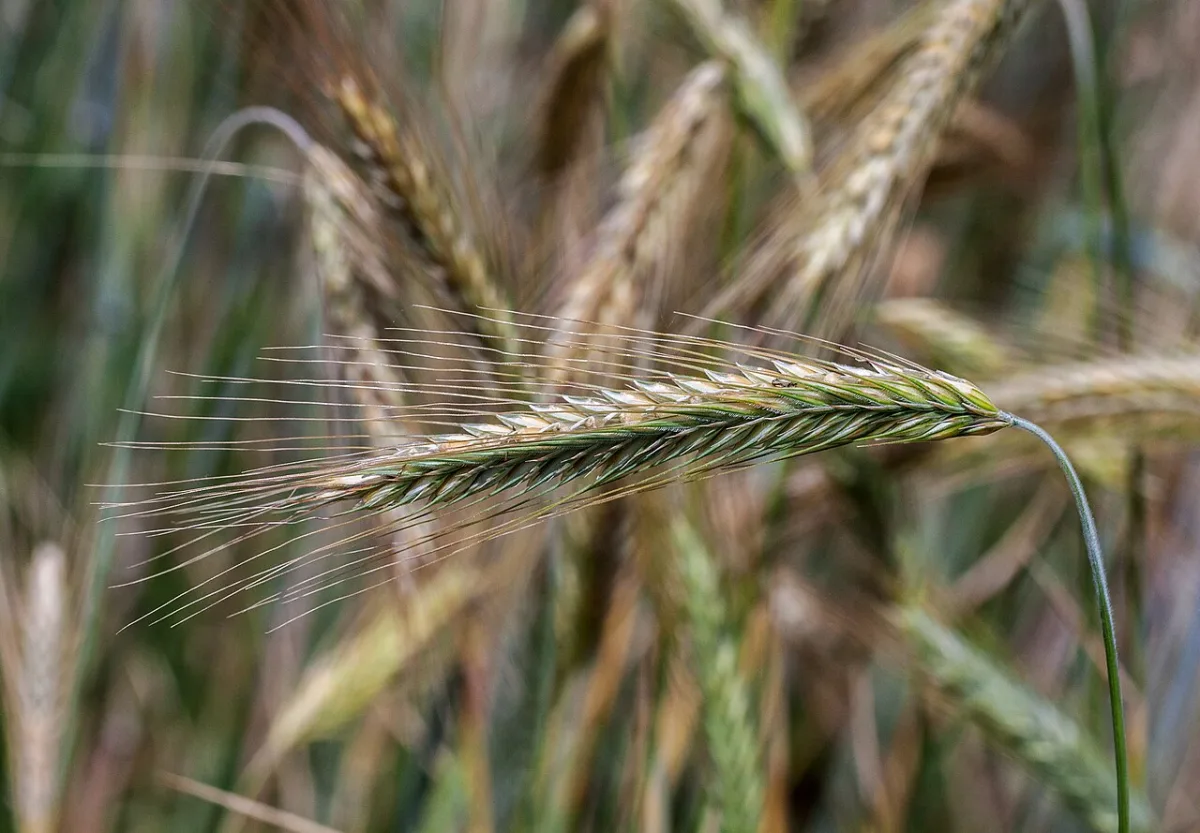
Economic importance and agrotechnical potential of winter rye

Winter rye remains an important link in food security, possessing high efficiency both in crop rotation and as a forage crop. The article examines global grain production indicators and the practical application of rye in modern agriculture