Crop · 40 articles

Wheat

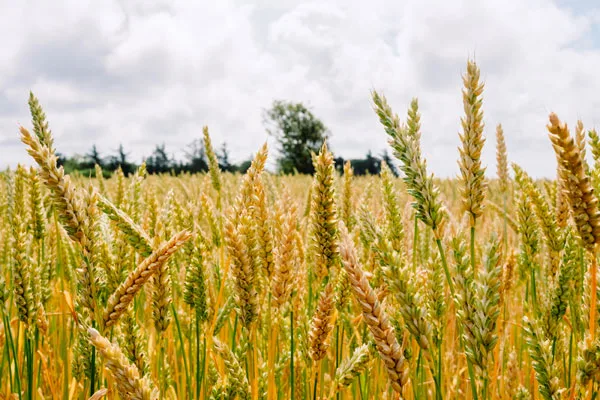
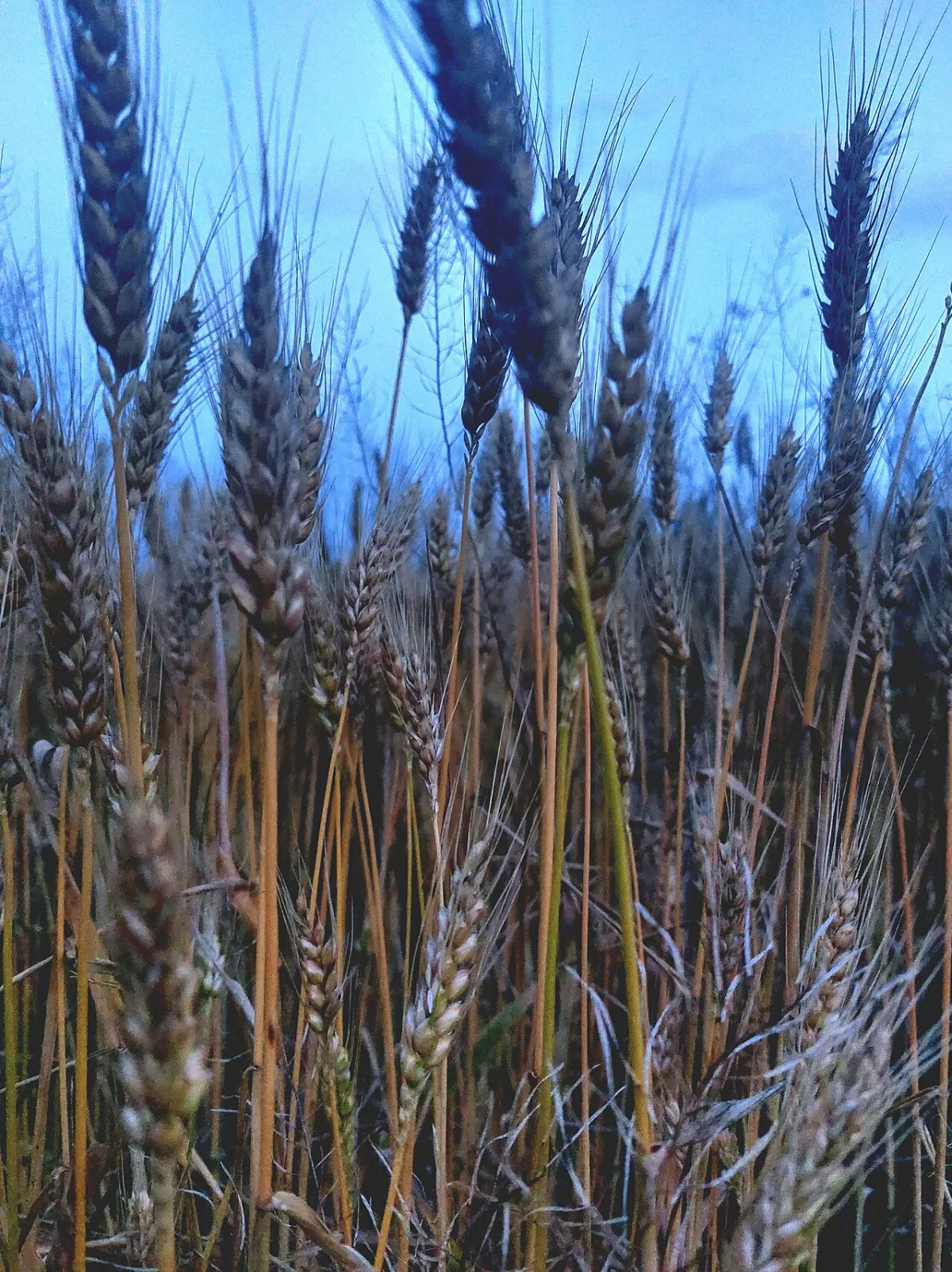
Wheat is a key grain crop that forms the foundation of food security. Its successful cultivation requires in-depth knowledge in the field of agrotechnology: from understanding the patterns of organogenesis and development phases of cereals to developing integrated systems of mineral nutrition and tillage. For a practicing agronomist, competent management of these processes directly determines yield indicators and the qualitative characteristics of the grain, which makes the study of the biological features of the crop and methods of controlling diseases and weeds a priority task.

This collection contains materials covering the full cycle of working with grain crops. Readers will find practical recommendations on planning crop rotation, optimizing fertilizer systems, and protecting crops from pathogens and resistant weeds. The section also presents studies on the use of modern fungicides and herbicides, agronomic characteristics of hybrids such as triticale, and an analysis of factors affecting the storage and quality of the seed stock. The information is adapted for solving real-world challenges in field conditions and covers a wide range of issues: from soil preparation after predecessors to ensuring effective plant protection of the harvest.

Livestock For students

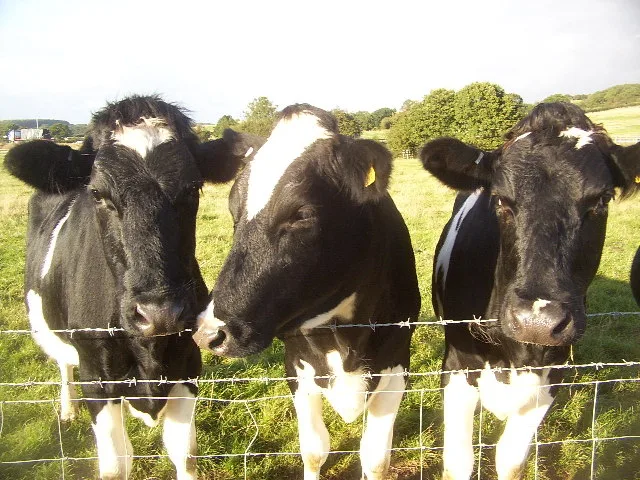
Methodology for compiling and analyzing diets for livestock animals

The article examines the principles of balanced feeding for livestock animals and the basic requirements for calculating diets. The reader will become familiar with the specifics of working with monogastric and ruminant animals, as well as the factorial method for determining their requirements for energy and nutrients

Crop production For students

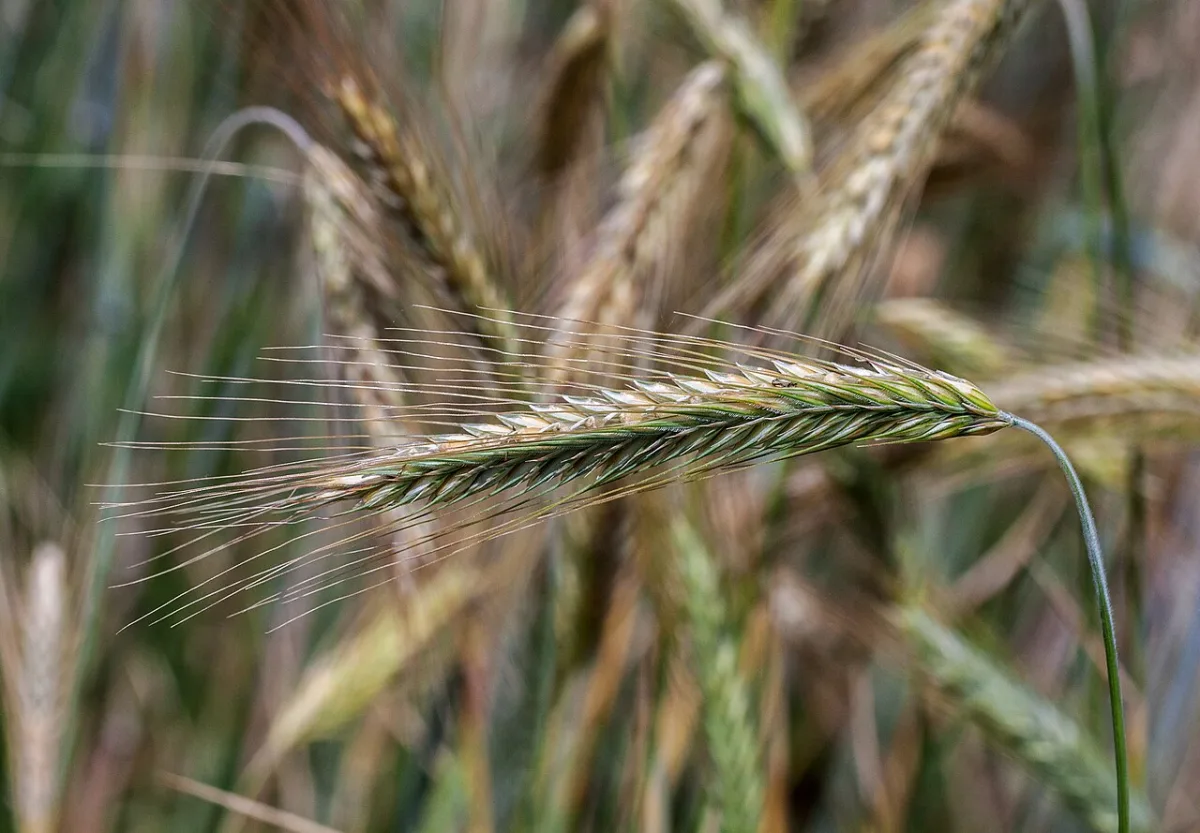
Economic importance and agrotechnical potential of winter rye

Winter rye remains an important link in food security, possessing high efficiency both in crop rotation and as a forage crop. The article examines global grain production indicators and the practical application of rye in modern agriculture

Poultry For agronomists

Nutrient content in feed for poultry

The article provides a detailed table of the nutritional value of the main types of feed used in poultry farming. The data include indicators of metabolizable energy, crude protein, fat, fiber, as well as the content of calcium, phosphorus, and sodium per 100 grams of product

Storage and processing For students

Organization of grain reception and batch formation at grain elevators

The article describes the technological process of grain reception at grain elevators, including sampling methods, quality assessment of batches, and the main stages of post-harvest processing. The material will help specialists organize the effective operation of a grain complex, taking into account the intended use of the harvest

Poultry For agronomists

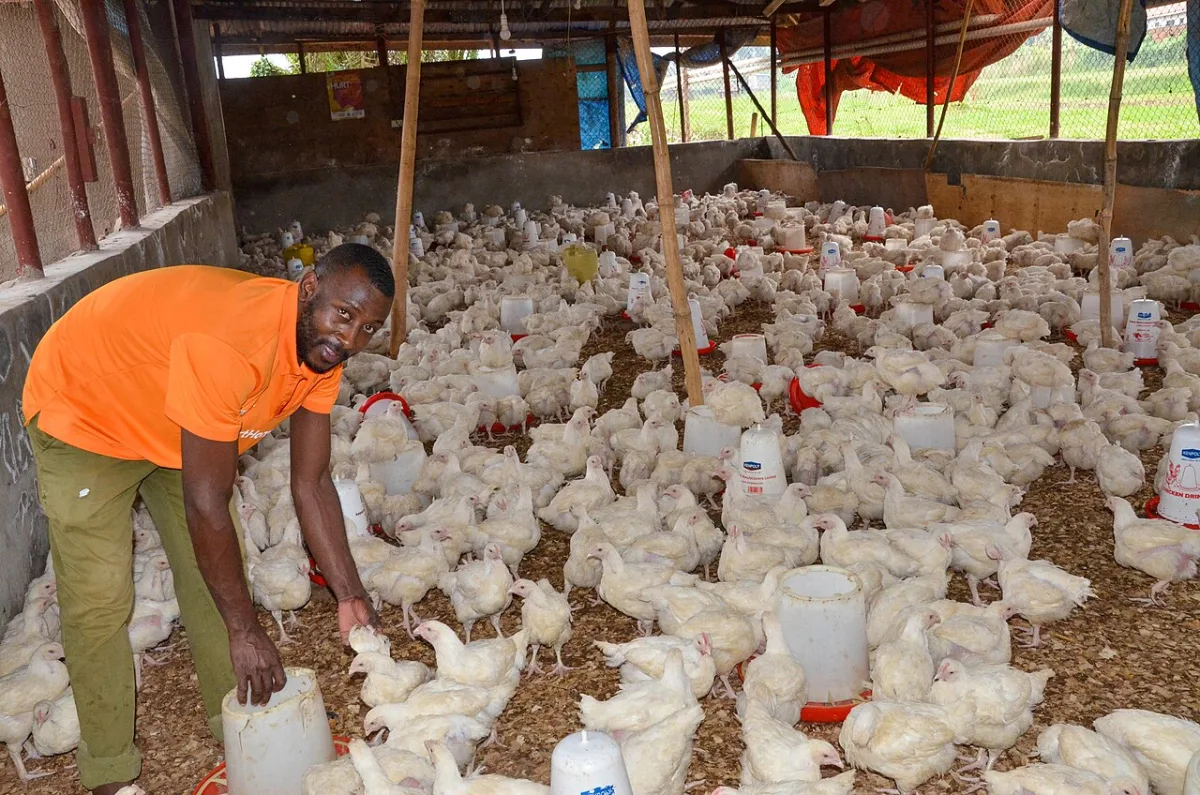
Organization of poultry feeding in industrial and farm holdings

The article examines the forms of complete compound feed and the specifics of their application for different age groups of poultry. Special attention is paid to the organization of feeding for replacement young stock and the features of using wet mixtures in small farm holdings