
Organization of grain reception and batch formation at grain elevators
18 min read
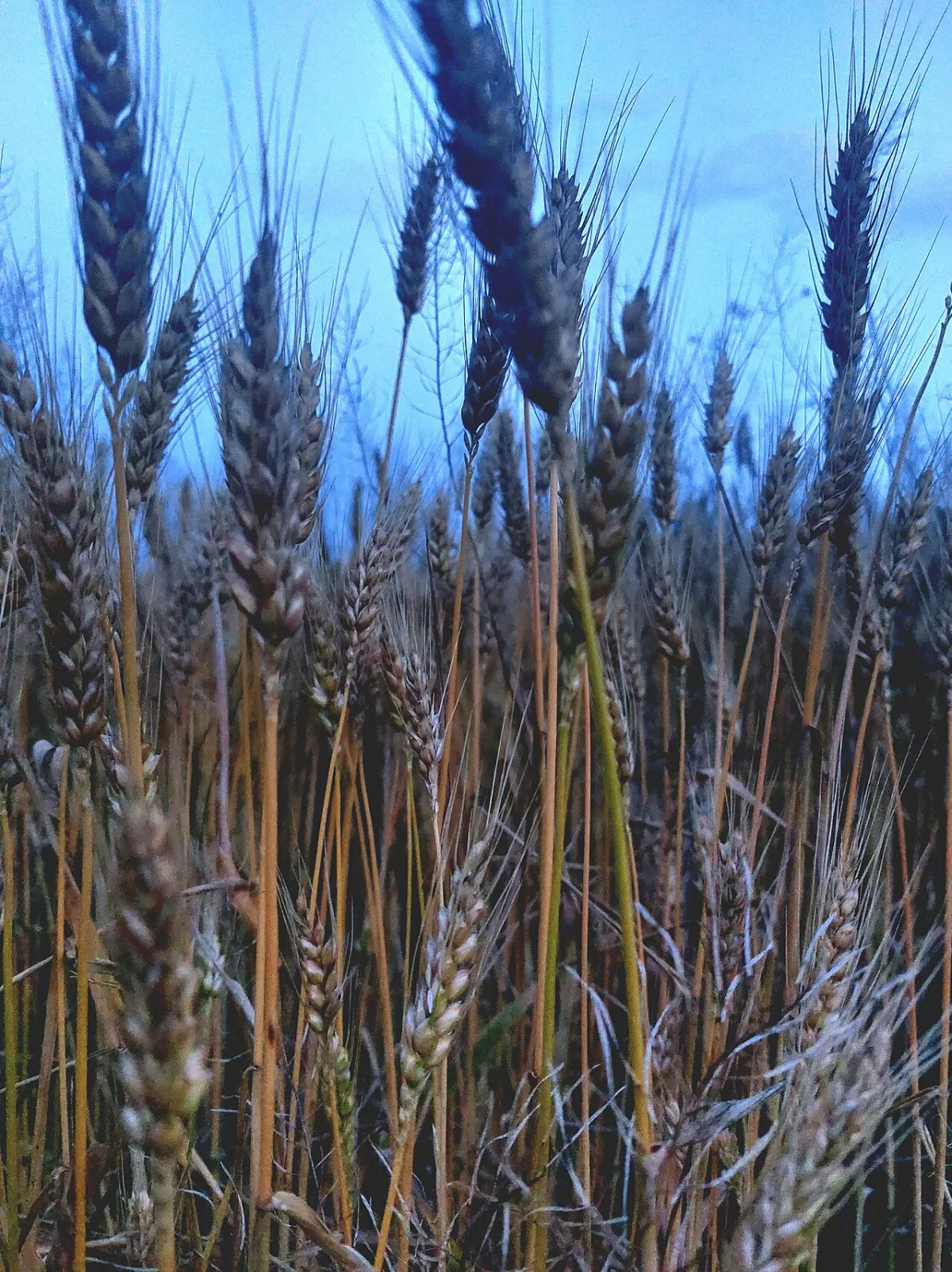
Grain is a living organism. It breathes, and it can be susceptible to disease. The external environment affects grain in various ways, and it has pests. Under certain conditions, these factors can negatively impact the grain. Adverse changes can go so far that the grain becomes unsuitable for its intended use. A system of measures, known as post-harvest grain processing, helps to prevent such developments.
The cycle of post-harvest grain processing includes:
- receiving;
- batch formation;
- cleaning from impurities;
- drying;
- active ventilation.
The organization of the production process at a grain facility is based on a technological scheme for receiving and processing grain, taking into account the formation of batches according to their intended use and quality indicators. The arrangement of grain is determined based on initial data regarding planned or actual volumes of grain receipt, processing, storage, and shipment.
Due to the wide variety of soil and climatic conditions, as well as agrotechnical conditions for growing wheat and other crops, and the diversity of cultivars, grain quality indicators vary significantly. This causes difficulties in forming batches that are homogeneous in quality.
Samples are taken from threshed appraisal sheaves to determine the type, subtype, vitreousness, test weight, and the quantity and quality of gluten (for wheat). Based on the preliminary assessment of quality, the quantity of expected grain batches, and the throughput of receiving devices, hourly or daily schedules for grain transport by road are drawn up.
The mass of received grain is determined by the results of weighing on truck scales in the presence of the supplier. Directly during receipt, grain is taken from each vehicle (grain batch) using a probe or sampler. According to the standard, spot samples are taken at four, six, or eight points depending on the length of the truck bed:
| Truck bed length | Number of sampling points | Sample mass, kg |
| up to 3.5 m | four | 1 |
| from 3.5 to 4.5 m | six | 1.5 |
| more than 4.5 m | eight | 2 |
Samples are taken at a distance of 0.5 to 1 m from the front and rear boards and 0.5 m from the side boards. In road trains, spot samples are taken from each trailer.
An aggregate sample is formed from the spot samples and subjected to rapid analysis: an organoleptic assessment (color, odor) is provided, and the type, subtype, infestation, and humidity are determined. Using an electronic moisture meter, grain humidity is determined under field conditions, with an error margin of up to 1.5%. Based on these indicators, the vehicle is directed to unloading in accordance with the grain placement plan developed before the receipt of the new harvest.
Grain arriving at the grain-receiving enterprise is directed by the laboratory for secondary processing, formation of commercial batches, and storage, based on its quality. The formation of homogeneous grain batches and their placement are carried out according to crop, class, type, subtype, and other specific quality indicators.
Cleaning grain from impurities is a critical technique in grain processing that significantly influences:
- improvement of the quality of grain batches sent for processing;
- increase in the degree of grain utilization through the use of separated waste for feed purposes.
In grain-cleaning machines, various working elements are used, the operation of which is based on the use of a specific characteristic for separating grain mass.
Grain cleaning must be carried out in accordance with the instructions set forth in the manual for grain cleaning and the operation of grain-cleaning machines at grain-receiving enterprises (GPE).
When developing a technological process for cleaning individual grain batches, one should be guided by laboratory data on the content of specific impurities and grain humidity, as well as the technical standards of equipment performance and grain cleaning regimes recommended by the instructions.
pre-cleaning on grain cleaners or separators before drying (to remove coarse and light impurities);
single or double cleaning of grain on air-sieve separators (after drying) to bring the grain to the required standards.
If this is not sufficient, additional cleaning is performed using indent cylinders, aspirators, pneumatic tables, stone separators, and other machines, depending on the composition and quantity of impurities remaining in the grain being cleaned.
The laboratory carries out quality control of the grain cleaning process.
Food-grade grain of "medium purity" and "weedy" grain are subject to cleaning:
grain directed for drying in shaft grain dryers;
if there are signs of temperature rising above the norm for specific storage conditions (priority basis);
grain infested with stored-product pests (priority basis);
grain contaminated with impurities that have an odor uncharacteristic of grain (excluding the separation of fine impurities (sand, seeds weed impurities)).
For effective removal of impurities, fractional grain cleaning is performed, i.e., the separation of the grain mass into two fractions: coarse and fine.
The fine fraction is sent to another separator to isolate fine impurities (sand, weed seeds).
If the cleaning effect is insufficient, secondary cleaning is performed by returning the grain from grain storage to the first separator, with a possible change of screens depending on the nature of the impurities.
The sizes of sieve openings for cleaning grain and seeds of various crops are given in Table 1.
Table 1. Approximate sizes of sieves for cleaning grain and seeds (according to Voblikov E.M., 2003)
Setting up grain cleaning machines: choosing screens and quality control
Before drying and placing into storage, the incoming grain pile must be cleaned of impurities. For this purpose, grain elevators use air-sieve separators, selecting screens for the specific crop. The separation process is based on the geometric dimensions of the grain: large fractions are carried over the screen, while small ones pass through its openings.
| Crop | Upper (scalping) sieves, mm | Lower (grading) sieves, mm | ||
|---|---|---|---|---|
| With round holes | With elongated holes | With round holes | With elongated holes | |
| Wheat | 5.0–7.0 | 3.2–7.0 | 2.0–2.5 | 1.7–2.2 |
| Rye | 4.0–6.5 | 3.0–3.5 | 2.0–2.5 | 1.5–1.7 |
| Barley | 5.0–8.0 | 3.5–5.0 | 2.5–2.8 | 2.0–2.4 |
| Oats | 5.5–6.0 | 2.6–3.0 | 2.0–2.5 | 1.7–2.0 |
| Corn | 9.0–10.0 | 6.0–8.0 | 5.0–6.0 | 3.0–4.0 |
| Buckwheat | 5.0–6.5 | 3.0–4.0 | 2.5–5.5 | — |
| Millet | 3.0–4.0 | 2.0–2.2 | 1.8–2.0 | 1.3–1.5 |
During sorting, some of the passing particles do not have time to fall through and remain in the overflow. The mass of such particles, expressed as a percentage of the total mass of the overflow, is called under-sieve loss. It is important to monitor this indicator to control the separator's productivity and adjust the grain feed in a timely manner.
Monitor the amount of under-sieve loss. A high percentage of under-sieve loss impairs cleaning quality and indicates equipment overloading or an incorrect screen inclination angle.
- Weed impurities after cleaning — no more than 2%
- Grain impurities after cleaning — no more than 5%
- Harmful impurities (ergot, smut) — no more than 0.2%
Managing the drying process: critical humidity and thermophysics of grain
The main task of drying is to reduce the humidity of the grain mass to standard conditions. Water is held in the caryopsis in three ways: chemically (inside protein and carbohydrate molecules), physico-chemically (bound by colloids), and mechanically (in macro- and microcapillaries). It is easiest to remove mechanically bound water, whereas removing physico-chemical moisture requires intensive evaporation.
Pay special attention to the critical humidity of 15.5%. Exceeding this threshold leads to the appearance of free moisture, which sharply activates grain respiration processes and the vital activity of pathogens.
During drying, it is important to consider physical properties of the grain mass. The higher the porosity of the pile, the easier the drying agent penetrates to the grains, and the more uniform the process is. The high specific surface area of small grain accelerates moisture evaporation. The terminal velocity serves as a basic guide for setting fans: it determines the limit of the airflow speed at which the grain is not yet blown out of the shaft.
Consider the flowability of the grain when loading bins. Due to self-sorting, heavy grains accumulate in the center, while light weeds and shriveled fractions slide to the dryer shaft walls, creating a risk of local overheating.
When setting the drying agent temperature, it is necessary to consider the thermal stability of the grain. The most stable components are carbohydrates and fats, which, at 14% humidity, can withstand heating up to 60–65 °C. If these values are exceeded or if wetter grain is dried at a high temperature, starch dextrinization and fat decomposition with an increase in acid value will occur.
- Critical humidity — 15.5%
- Grain humidity for heating to 65 °C — 14%
- Heating limit for fats and carbohydrates — 60–65 °C
Temperature regime: protein protection and gluten improvement
When drying grain, it is extremely important to strictly control its heating. Protein substances are sensitive to high temperatures and, if overheated, undergo denaturation, irreversibly losing the ability to absorb moisture. This leads to a decrease in seed germination, a drop in enzyme activity, and a deterioration of the baking properties of food-grade grain. Germ proteins are particularly sensitive to heat and break down faster than endosperm proteins.
| Grain purpose | Heating temperature, °С |
| Seed | 40 |
| Food-grade | 50 |
However, moderate heating can be beneficial for commercial batches. During the drying process, the grain gluten is strengthened. If you are working with grain that has weak gluten quality, the correct temperature regime will help to strengthen it and improve the overall quality class of the batch.
If drying technology is violated, irreversible structural and mechanical changes occur in the grain. The shells thicken or rupture, the kernel becomes cracked, and with excessive humidity and overheating, "steaming" of the grain occurs.
Grain dryer designs and operating features of shaft units
Grain dryers are divided into stationary ones, which are mounted in separate buildings, and mobile ones on wheel chassis. Based on the operating principle, they are categorized into shaft, drum, pneumatic tube, and special units — chamber, bin, or conveyor types. Most modern machines use the convective method of drying, where heat is transferred to the grain from a heated agent — a mixture of flue gases with air or pure air from heaters.
The most widely used systems on farms are continuous-flow column grain dryers. In these, the grain moves downward by gravity through drying and cooling zones, while being blown through by a drying agent. The design allows the drying section to be divided into two or three zones with different agent temperatures, ensuring gentle moisture evaporation.
- Drying temperature for seed — 40 °С
- Drying temperature for food grain — 50 °С
- Capacity of column dryers — from 1 to 50 t/h
Uniformity of drying in the column is ensured by pentagonal-shaped distribution boxes arranged in a staggered pattern. Air enters from the pressure-distribution chamber with horizontal partitions, passes through the grain layer, and exits through the discharge boxes. A stable grain level above the boxes is maintained by the pre-drying hopper, which functions as an airtight seal.
The grain flow rate is regulated by a discharge mechanism under the cooling zone, which can be non-driven or equipped with a drive for continuous or cyclic discharge. Air supply is provided by fans and air ducts. When assembling the ventilation network, it is necessary to carefully seal all joints, hatches, and diffusers, as any leaks of the drying agent reduce the unit's productivity.
Only natural gas or light diesel fuel are suitable for the direct mixing of furnace gases with air. Mazut, crude oil, or coal can be used exclusively for heating clean air through heat exchangers.
Injection or needle-type nozzles are used for burning liquid fuel in the dryers, while gas burners are used for gas. The efficiency of the entire system depends on process automation and the precision of control instruments. A grain dryer must not only reduce humidity but also minimize specific heat and electricity consumption while maintaining high structural integrity.
The most common are stationary column convective grain dryers: SZS-8, VTI-8, VTI-15, SZSh-8, SZSh-16, DSP-12, DSP-16, DSP-24, DSP-32, and DSP-32-OT. The numbers indicate the dryer's capacity in standard tons, based on reducing wheat humidity from 20% to 14%. In agriculture, SZS and SZSh type grain dryers are the most widespread, while in the elevator industry, the DSP type prevails.
Among mobile grain dryers, ZSPZh-8, KCh-USA, and KCh-US-2A are used, with a capacity of 8 standard t/h.
All the listed grain dryers are characterized by a sufficiently simple design and versatility, and are easy to maintain and operate.
The main disadvantages of column grain dryers are as follows:
- uneven heating and drying of grain across the column cross-section;
- humidity reduction per single pass of no more than 6%;
- moisture variance in the dried batch of grain of no more than 2-4 %.
These disadvantages are almost completely eliminated in column recirculation grain dryers.
Recirculation drying of grain involves returning a portion of the dried grain, mixed with raw grain, into the pre-drying hopper. Heat and moisture exchange processes between the raw and dry grain occur in the pre-drying hopper. As a result, the raw grain is heated and partially dried. All this ultimately leads to a significant intensification of the drying process.
Industry produces special recirculation grain dryers of various types. In these, in addition to heating the raw grain using the heat of the dried grain, its pre-heating in special chambers is also utilized. The most widely used are RD-2x25-70, A1-DSP-50, A1-UZM, A1-UZSh grain dryers, and the "Tselinnaya" type: "Tselinnaya-30", "Tselinnaya-50K", "Tselinnaya-60", "Tselinnaya-20" (based on the ZSPZh-8 grain dryer), "Tselinnaya-36" (based on the DSP-32-OT grain dryer), and "Tselinnaya-50" (based on the DSP-24-SN grain dryer).
In addition to column grain dryers, drum-type dryers are used in the grain product system and agriculture: mobile SZPB-2.5 and stationary SZSB-8. The main element of drum dryers is a horizontal or slightly inclined cylindrical drum, rotating at a speed of 2-6 rpm. Inside it, the grain moves along the length and is dried by an air flow. The dried grain is cooled in cooling columns or drums.
For drying small batches of food grain and seeds of oil crops in agriculture, ventilated hoppers are often used.
Timely and correctly performed drying not only increases the stability of grain during storage but also improves its food and seed qualities. As a result of drying, post-harvest ripening is accelerated, moisture is leveled, and the color, appearance, and technological properties of the grain are improved.
The drying regime depends on the drying method and the design of the grain dryers. When drying grain in column continuous-flow grain dryers, regimes are used where the temperature of the drying agent is changed gradually as the grain passes through the drying zones; such stepped regimes are especially favorable when drying freshly harvested grain. Thus, when drying wheat, the temperature regime is differentiated depending on the initial quality of the gluten - strong, normal, or weak.
When drying grain in vertical continuous flow grain dryers, the moisture removal per single pass should not exceed 6%. If this is insufficient, a second pass of the grain through the grain dryer is applied.
In vertical recirculation grain dryers, the moisture reduction per single pass can be up to 10%, while in recirculation dryers with additional heating chambers, there is no limit to the moisture reduction.
When organizing the process and selecting drying modes, approved instructions and regulations are followed.
The drying modes for food-grade grain of certain crops in vertical continuous flow grain dryers are shown in Table 2.
| Crop | Temperature regime |
| Wheat | According to gluten quality |
Table 2 - Maximum temperature limits for the drying agent and grain heating in vertical continuous flow dryers (according to Voblikov E.M., 2003)
°C regime I zone II zone
Wheat with gluten: strong 45 120 110 130 second 45 110 100 120 normal 50 140 130 150 second 50 110 120 140 weak 60 150 140 160 second 60 140 130 160 Barley, rye independently
As can be seen from the provided data, in most cases, ascending drying modes are applied. The drying agent with a lower temperature is fed into the first zone, as the grain has high moisture content and lower thermal stability. The drying agent with a higher temperature is fed into the second zone.
Drying modes for grain in recirculation grain dryers are differentiated by the initial grain moisture, and for wheat — also depending on gluten quality.
When drying grain in vertical recirculation grain dryers, higher grain heating temperatures are allowed than in continuous flow vertical grain dryers, as they are characterized by short duration and greater uniformity of grain heating.
Table 3 - Maximum temperature limits for the drying agent and heating
Crop Moisture, Grain heating temperature Drying agent temperature
Wheat with gluten: strong up to 20 50 300 over 20 45 250 normal up to 20 60 350 over 20 55 330 weak up to 20 65 370 over 20 60 350 Barley up to 20 60 350
Seed of cereal crops are dried in all types of vertical grain dryers, except for mobile ones. It is not recommended to dry seed grain in drum grain dryers, but it is possible in recirculation ones. Seed of wheat, sunflower, barley, and grain legumes are also dried in chamber dryers at seed processing plants. Seed grain of all crops is also dried in warehouses using active ventilation systems with atmospheric or heated air.
Seed material requires special attention during commercial processing. Embryo proteins are much more sensitive to heat than endosperm proteins; therefore, even slight overheating of the seed can completely deprive it of germination capacity. To preserve the sowing qualities of the grain, the temperature in all types of grain dryers is maintained at a lower level than when drying food-grade batches.
Temperature regimes for seed drying
For different groups of crops, limit values have been established for the heating of both the grain itself and the air supplied to the dryer. Exceeding these parameters will lead to thermal damage to the embryo.
| Crop | Maximum seed heating, °C | Drying agent temperature, °C |
|---|---|---|
| Wheat, rye, barley, oats | 40 | 70 |
| Grain legumes, rice grain | 35 | 60 |
Special caution must be exercised when working with overly moist batches. Excess moisture combined with high temperature has a destructive effect on the embryo, which is why standard dryer settings are not suitable for such grain.
When drying seeds with a moisture content above 19%, a stepped mode must be applied. In the first zone of the dryer, the maximum seed heating temperature is reduced by 5 °C, and the drying agent temperature by 10 °C from the base standards.
Read next
Storage and processing For students
Fundamentals of proper storage and post-harvest processing of grain crops
Storage and processing For students
Physiological and biochemical processes and effective storage regimes for grain mass
Ecology For students