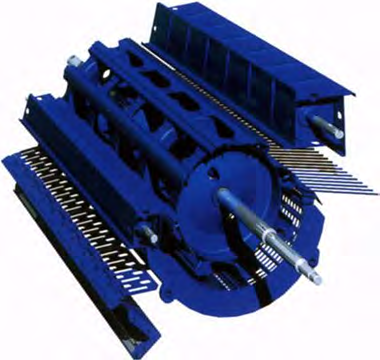
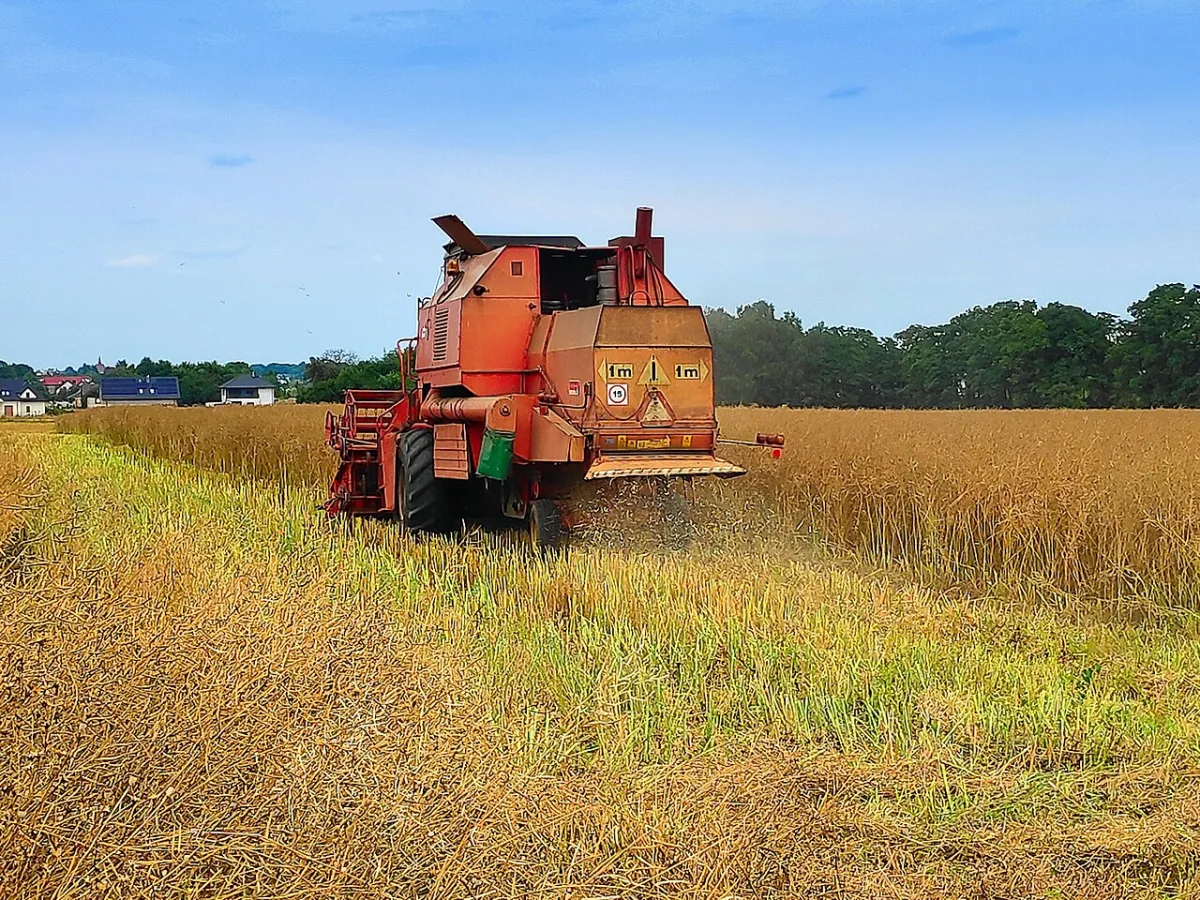
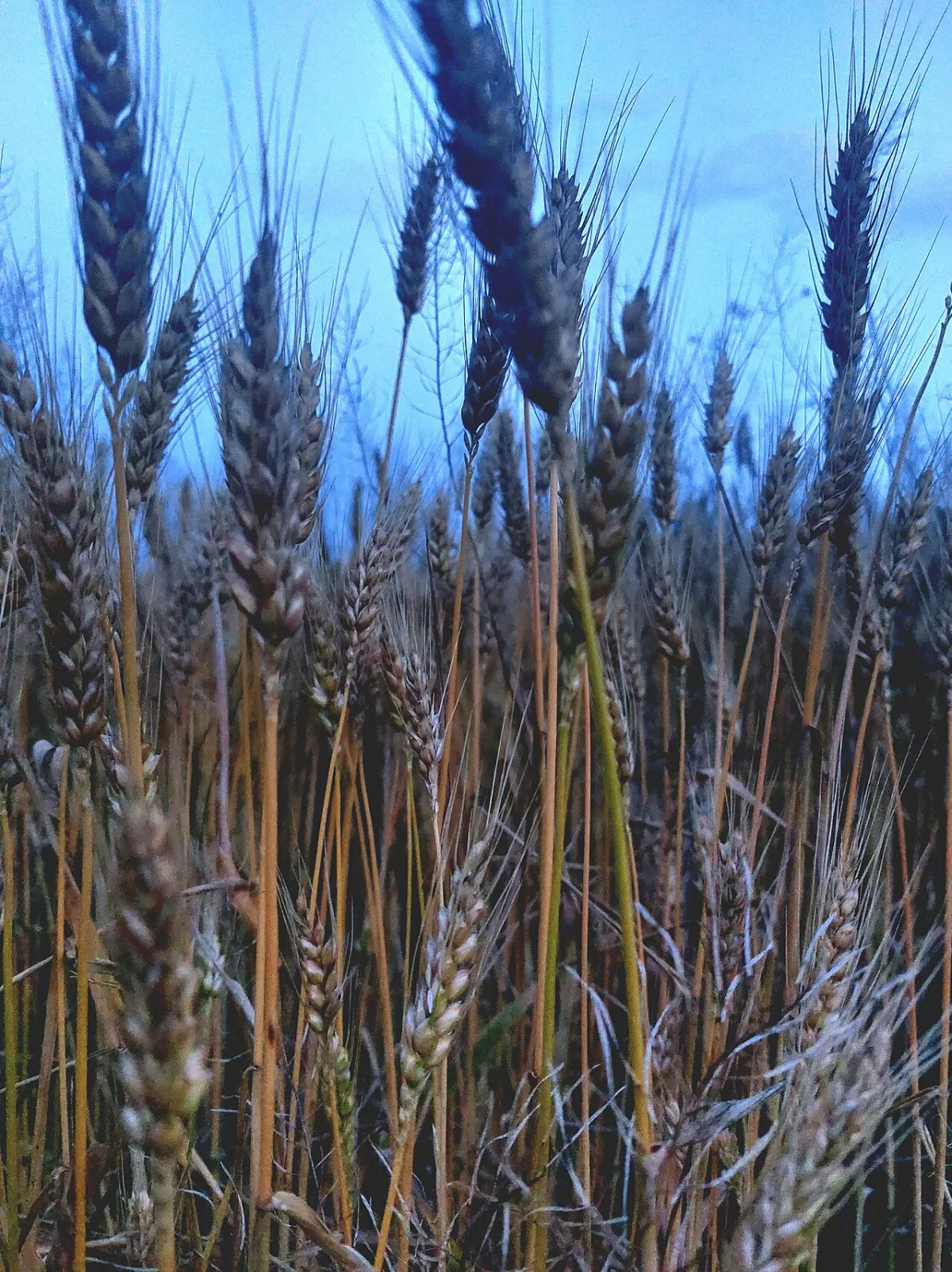
The threshing unit is the main working component of grain harvesting machinery, responsible for threshing grain from the ears and primary separation of the mass. Not only the quality and purity of the harvest, but also its market value and the volume of losses during harvesting depend directly on its settings and technical condition. Understanding the principles of thresher operation is critically important for agronomists and agricultural production specialists, as optimizing threshing parameters allows for the efficient adaptation of machinery to work with crops of varying humidity and yield.
This collection gathers materials covering the design features of threshing systems in popular combine harvester models, including machinery from brands such as Yenisei, Don 1500, CLAAS, and TORUM 740. Readers will find articles on the differences between twin-drum and axial-rotor units, and the influence of engine power and drum rotation stability on the quality of the grain mass. The collection also includes information on modern threshing technologies, methods for increasing the efficiency of unit operation, and processes for the primary processing of grain, which will help to gain a deeper understanding of the technical support for the harvesting campaign.