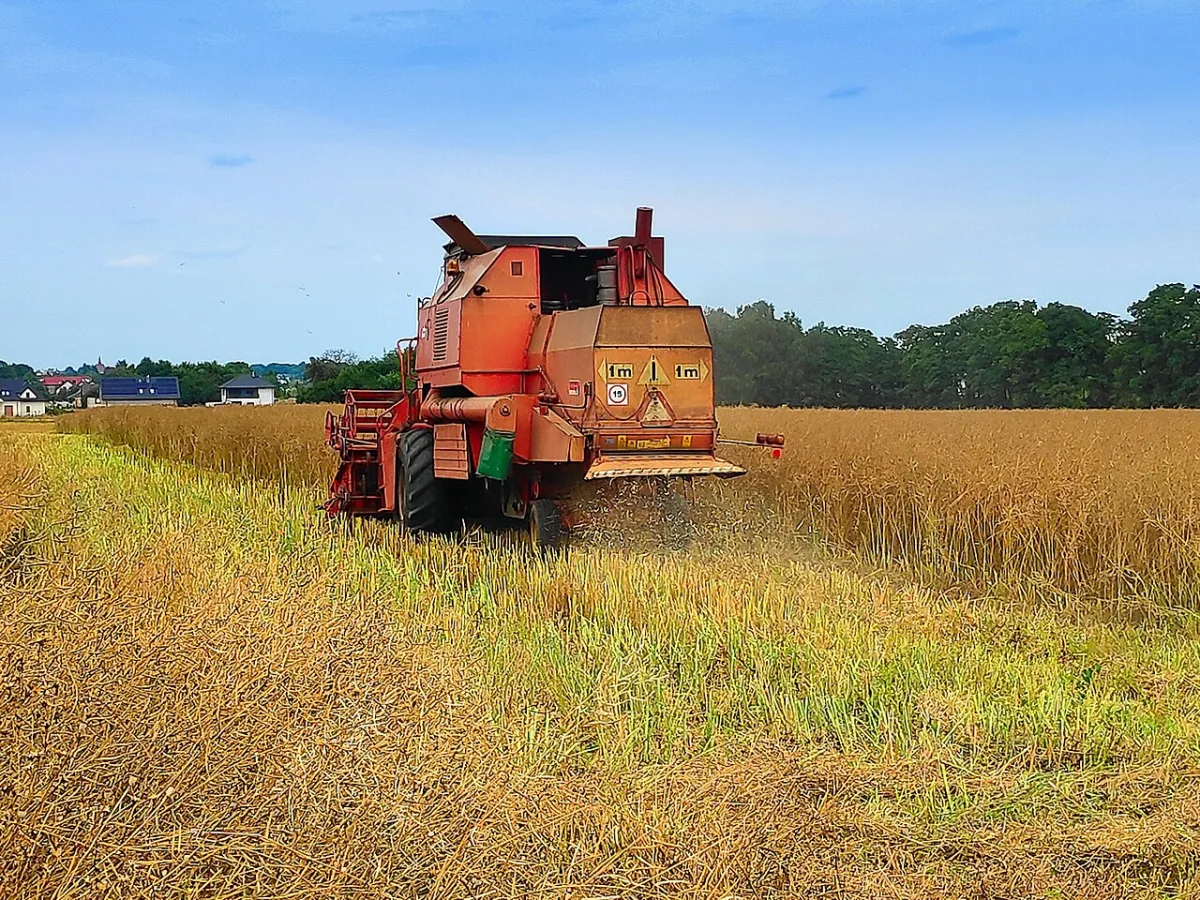
The threshing drum is a key working component of a combine harvester responsible for separating grain from the ear part of the plant. The efficiency of this unit directly determines the quality of the harvest, the minimization of losses, and the preservation of grain integrity. For an agronomist, understanding the operating principles of the threshing apparatus is critical, as the stability of the technological process when working with crops of varying levels of humidity and weediness depends on the correct adjustment of its design parameters.
The provided collection of materials examines technical solutions used in modern combine harvesters. The articles cover the design and energy features of threshing apparatuses, as well as methods for increasing their operational efficiency. Readers will find a detailed analysis of threshing and separation systems, mechanisms for compensating for the uneven feeding of mass, and the principles of concave automation using the CLAAS and ACTIVA series models as examples. Studying this data will help specialists better understand modern threshing technologies to optimize field operations.