Crop · 40 articles

Wheat

Wheat is a key grain crop that forms the foundation of food security. Its successful cultivation requires in-depth knowledge in the field of agrotechnology: from understanding the patterns of organogenesis and development phases of cereals to developing integrated systems of mineral nutrition and tillage. For a practicing agronomist, competent management of these processes directly determines yield indicators and the qualitative characteristics of the grain, which makes the study of the biological features of the crop and methods of controlling diseases and weeds a priority task.

This collection contains materials covering the full cycle of working with grain crops. Readers will find practical recommendations on planning crop rotation, optimizing fertilizer systems, and protecting crops from pathogens and resistant weeds. The section also presents studies on the use of modern fungicides and herbicides, agronomic characteristics of hybrids such as triticale, and an analysis of factors affecting the storage and quality of the seed stock. The information is adapted for solving real-world challenges in field conditions and covers a wide range of issues: from soil preparation after predecessors to ensuring effective plant protection of the harvest.

Agrochemistry For students

Preparation and use of sand substrate in agrochemical research

The sand culture method allows excluding the influence of soil heterogeneity and precisely evaluating plant nutrition. The article describes the quality requirements for quartz sand and a step-by-step algorithm for its chemical purification for setting up precise agrochemical experiments

Agrochemistry For students

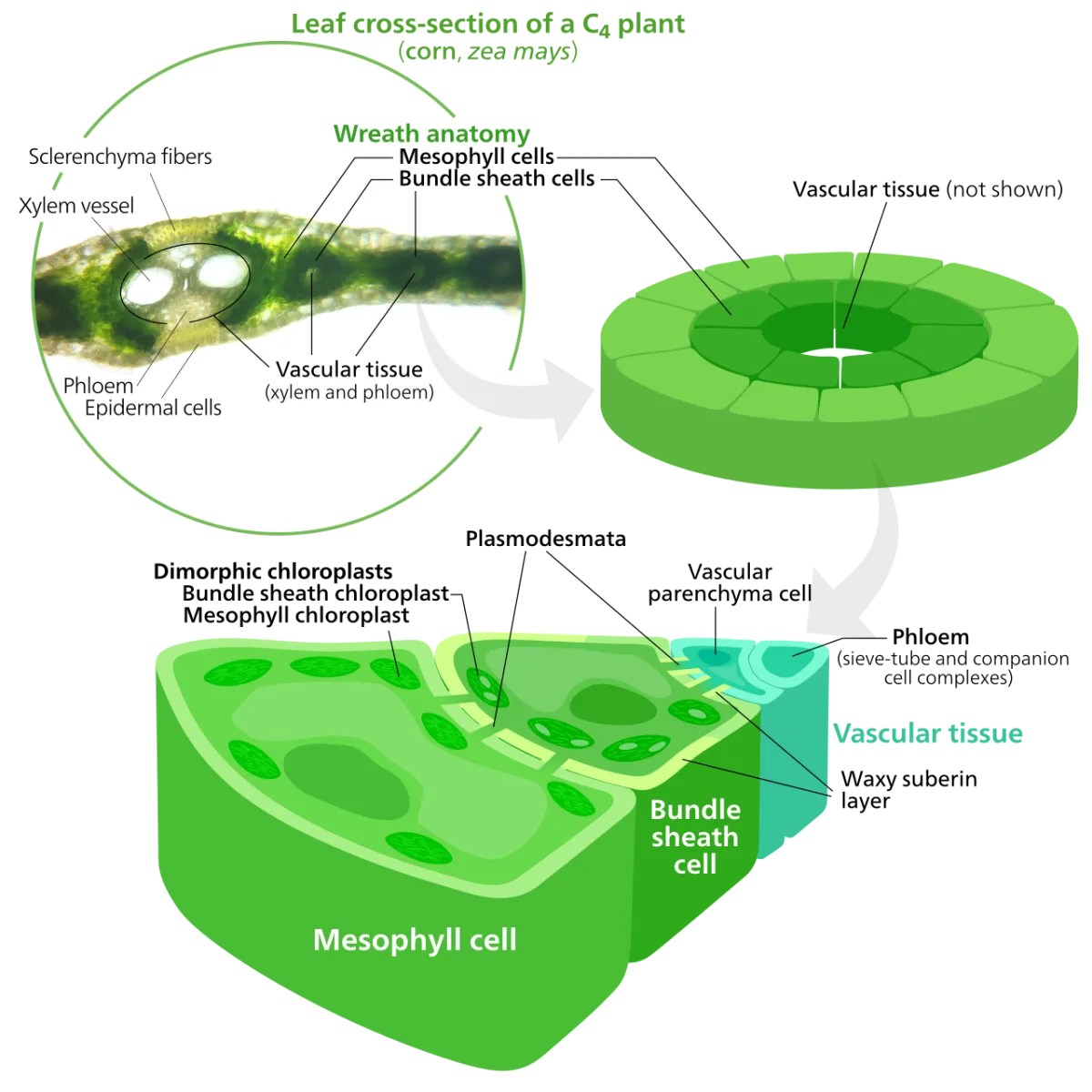
Photosynthesis as the main factor of crop productivity and yield

Photosynthesis is a fundamental process of solar energy accumulation, on the efficiency of which crop yield indicators directly depend. The article reveals the mechanisms of carbon dioxide absorption and the role of radiation in ensuring plant productivity

Soil and tillage For agronomists

The effect of arable layer density on soil fertility and yield

The physical condition of the arable layer determines the efficiency of soil fertility utilization. The article examines the influence of soil density on aeration, moisture exchange, and microbiological processes, as well as the role of compaction in increasing nutrient availability.

Crop production For students

Origins of formation and centers of origin of global crops

The article reveals the link between the history of plant domestication and the needs of modern breeding. You will learn why the search for wild relatives in the centers of crop origin is vital for increasing the resilience of modern crops