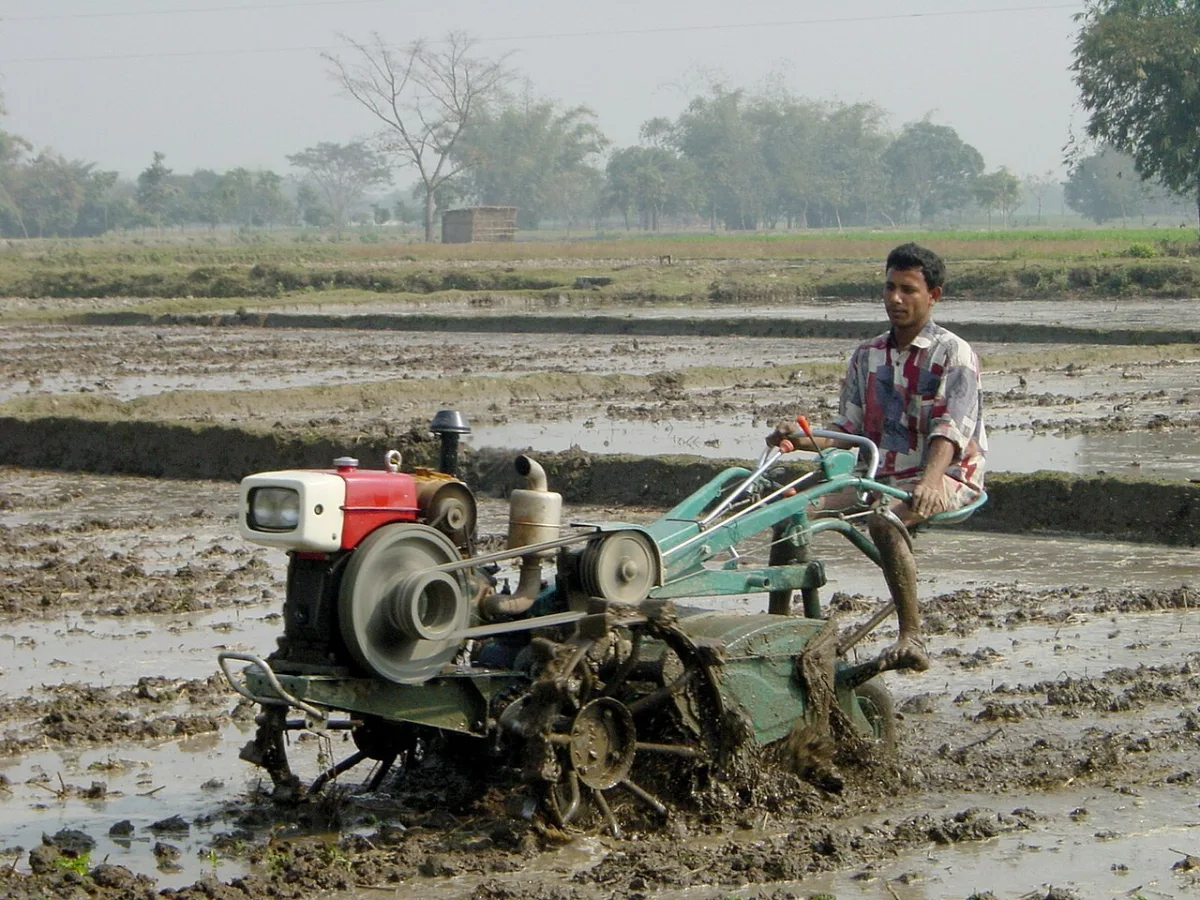
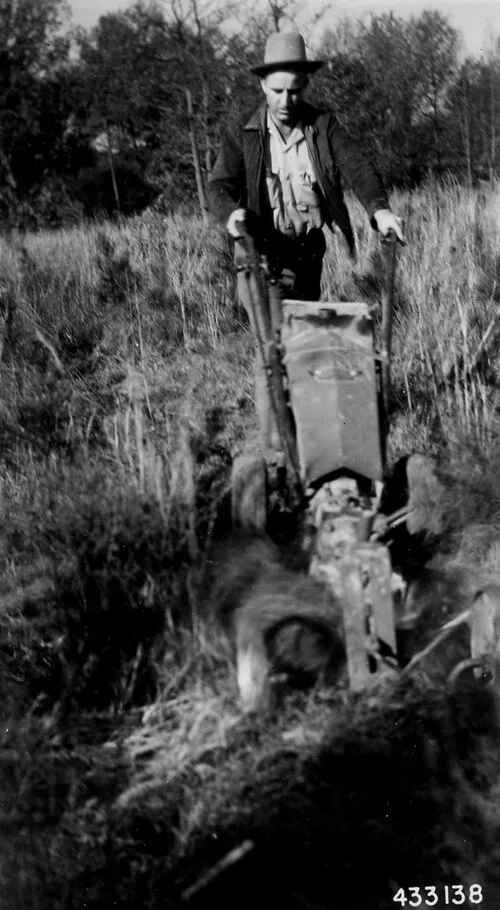
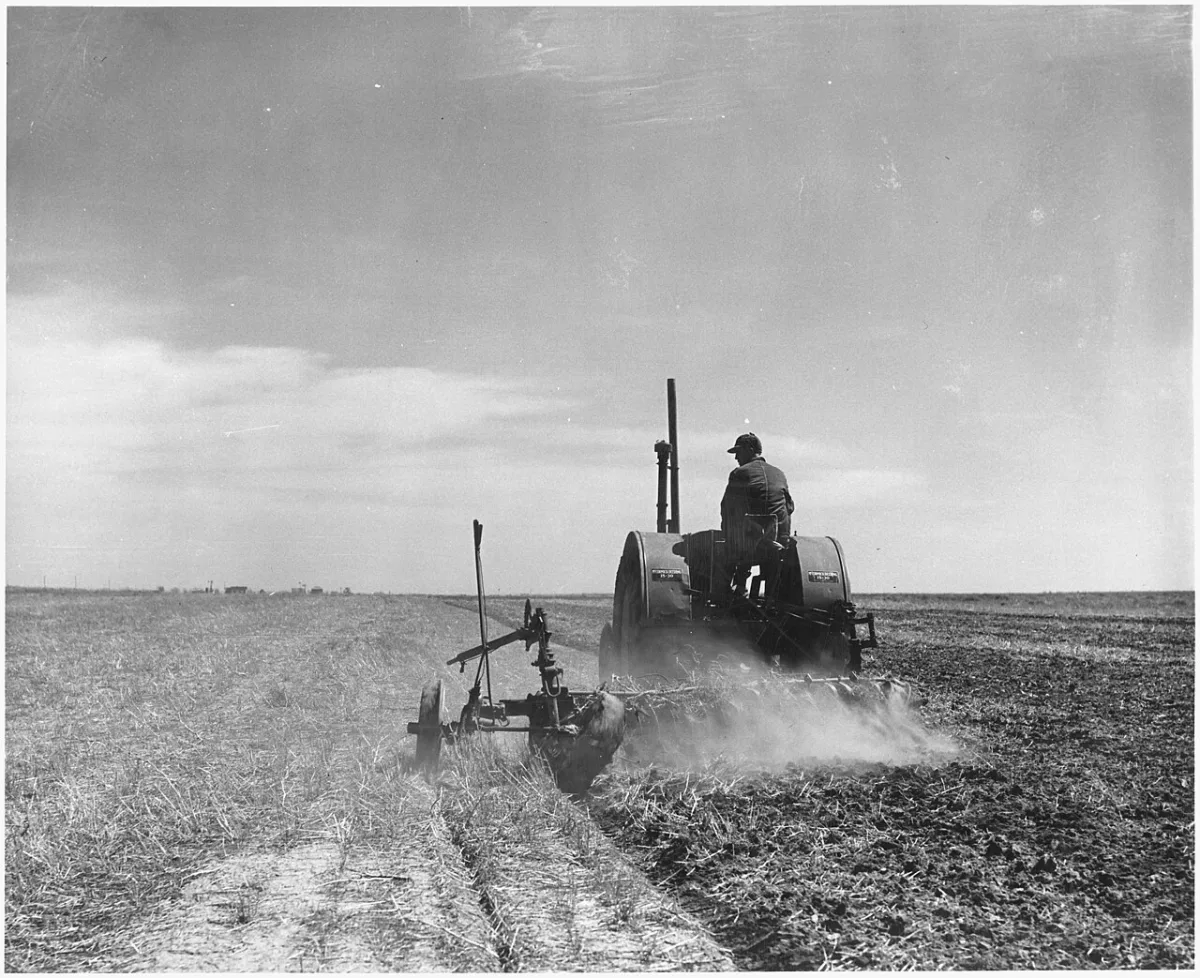
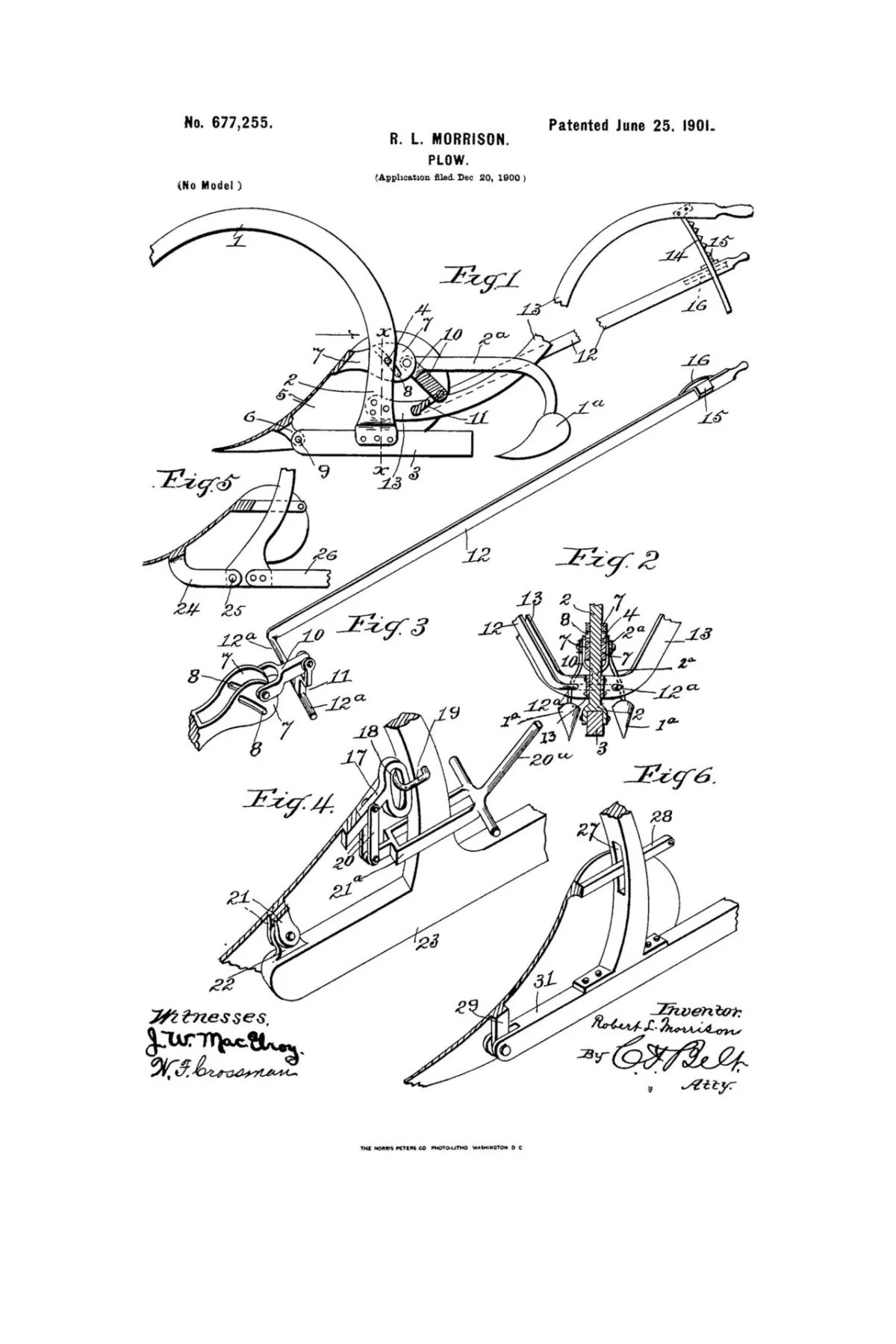
Tillage is the foundation of the agronomic process, determining the level of the future harvest. The proper choice of soil impact techniques depends not only on the conservation of soil moisture and soil fertility but also on the successful germination of seeds and the phytosanitary state of the fields. Regardless of the scale of the farm, understanding the physical principles of interaction between implements and soil allows for optimizing costs and minimizing the risks of dehydration or over-compaction of the land plot, which is especially important when planning crop rotation and preparing land after various predecessors.
This collection contains materials covering both the theoretical foundations of agriculture and the applied aspects of field work. You will find a detailed analysis of soil preparation technologies — from classic mouldboard ploughing to modern systems of minimum and zero tillage. The articles contain information on the specifics of working with cereal and row crops, vegetables, and fallows, as well as recommendations on choosing equipment and quality control for operations. Studying these materials will help build an effective tillage system adapted to the specific conditions of your enterprise or plot.