
Improvement of erosion control tillage methods in the Krasnodar Territory
4 min read
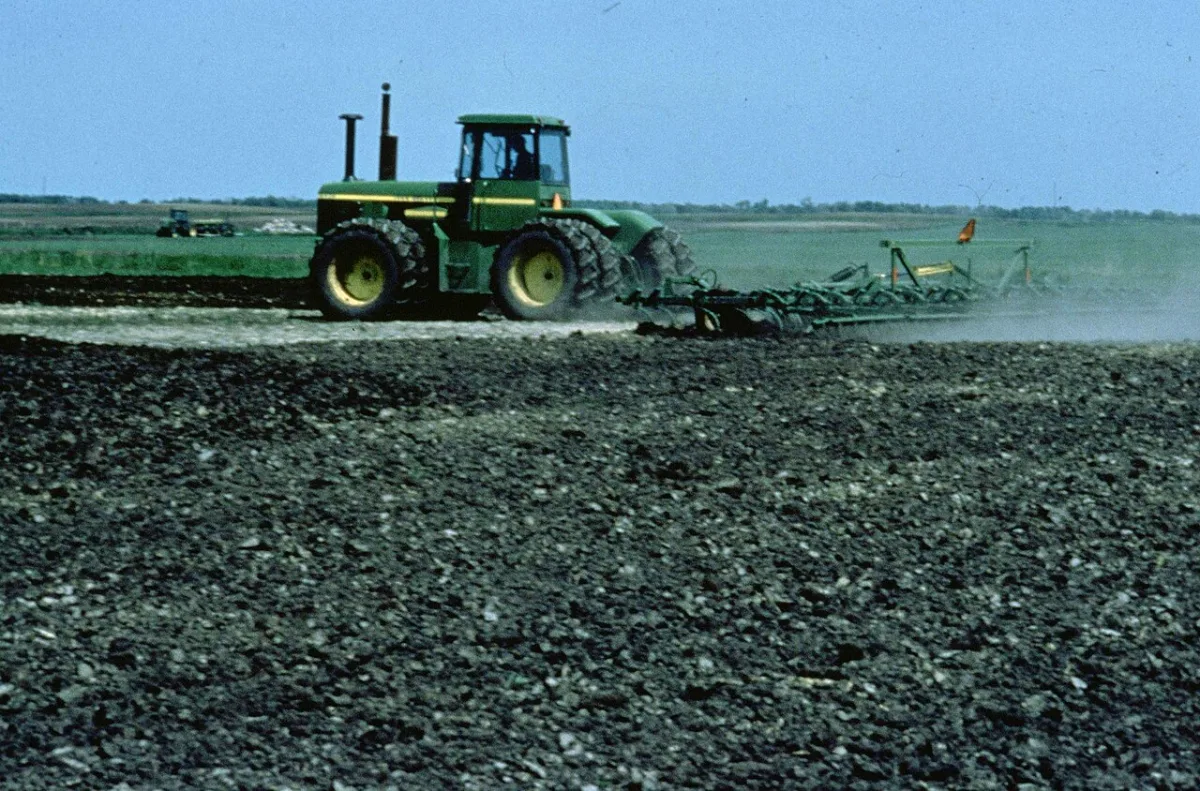
Soil conservation technologies: from minimum tillage to No-till
Soil erosion in the region is becoming more aggressive every year. To preserve the Kuban chernozems, it is necessary to make all technological operations anti-erosive in nature. Soil-protective tillage should be introduced taking into account the specifics of each soil-climatic zone. Ordinary and typical chernozems, as well as chestnut and dark chestnut soils in the northern and central parts of the region, where wind erosion is most active, require special attention.
One way to protect the soil is to switch to minimum tillage. But the number of machinery passes can be reduced only if strict conditions are met. These include high crop management standards, effective weed control with herbicides, and overall field cleanliness.
It is impossible to switch to minimum tillage without high-quality agrotechnical preparation and on weed-infested fields. Thoughtless reduction of tillage will lead to a drop in yield.
For the northern districts of the region, where wind erosion is most pronounced, a promising direction is zero tillage (No-till). Its capabilities in the region have been poorly studied so far, so the technology requires extensive field trials directly on farms. This will allow for the assessment of No-till applicability on ordinary chernozems under conditions of moisture deficit.
Quality soil preparation for winter crops helps to solve the problem of wind and water erosion. It is important to obtain well-developed crops by autumn with optimal stand density. Intermediate crops that cover the soil with a green shield during the winter period also help.
Modern high-speed tractors allow for expanding the soil ripeness window and starting tillage at higher humidity. Operating at high speeds significantly reduces cloddiness on dry and dense areas. However, the introduction of high-speed modes requires upgrading the qualifications of machinery operators for the high-quality adjustment of complex machines.
Soil preparation for winter crops after row-crop predecessors
Soil preparation for winter crops after row crops is one of the most difficult tasks for agronomists in the region. Due to multiple machinery passes, the plough layer becomes over-compacted, which leads to strong clod formation during autumn tillage. This problem can be solved by reducing the number of inter-row cultivations and switching to combined implements.
When cultivating fields for row crops on heavy soils, it is promising to use implements with active working parts, including rotary tillers. Stepped cultivation of row crops and special soil preparation after cereal predecessors, which guarantees timely emergence of winter crops, are also effective. In southern and foothill areas, it is necessary to select practices that improve the structure of heavy silty soils.
Competently adjusting tillage is impossible without a deep understanding of the physics of local soils. This requires detailed agrophysical studies. They will help determine the optimal parameters of the plough layer for specific types of soils, crops, and their growth stages.
When assessing the physical state of soils, it is important to monitor key agrophysical indicators:
- field capacity (FC) and permanent wilting point (PWP);
- capillary rupture moisture (CRM);
- total, capillary, non-capillary, and intra-aggregate porosity;
- aggregate composition, water stability, and structural cohesion.
What are the most important issues in studying soil agrophysics in the Krasnodar Territory.
Read next
Soil and tillage For agronomists
Specific features of primary tillage for spring crops in the Kuban region
Soil and tillage For agronomists
Specifics of soil preparation after row crops for spring crops
Soil and tillage For agronomists