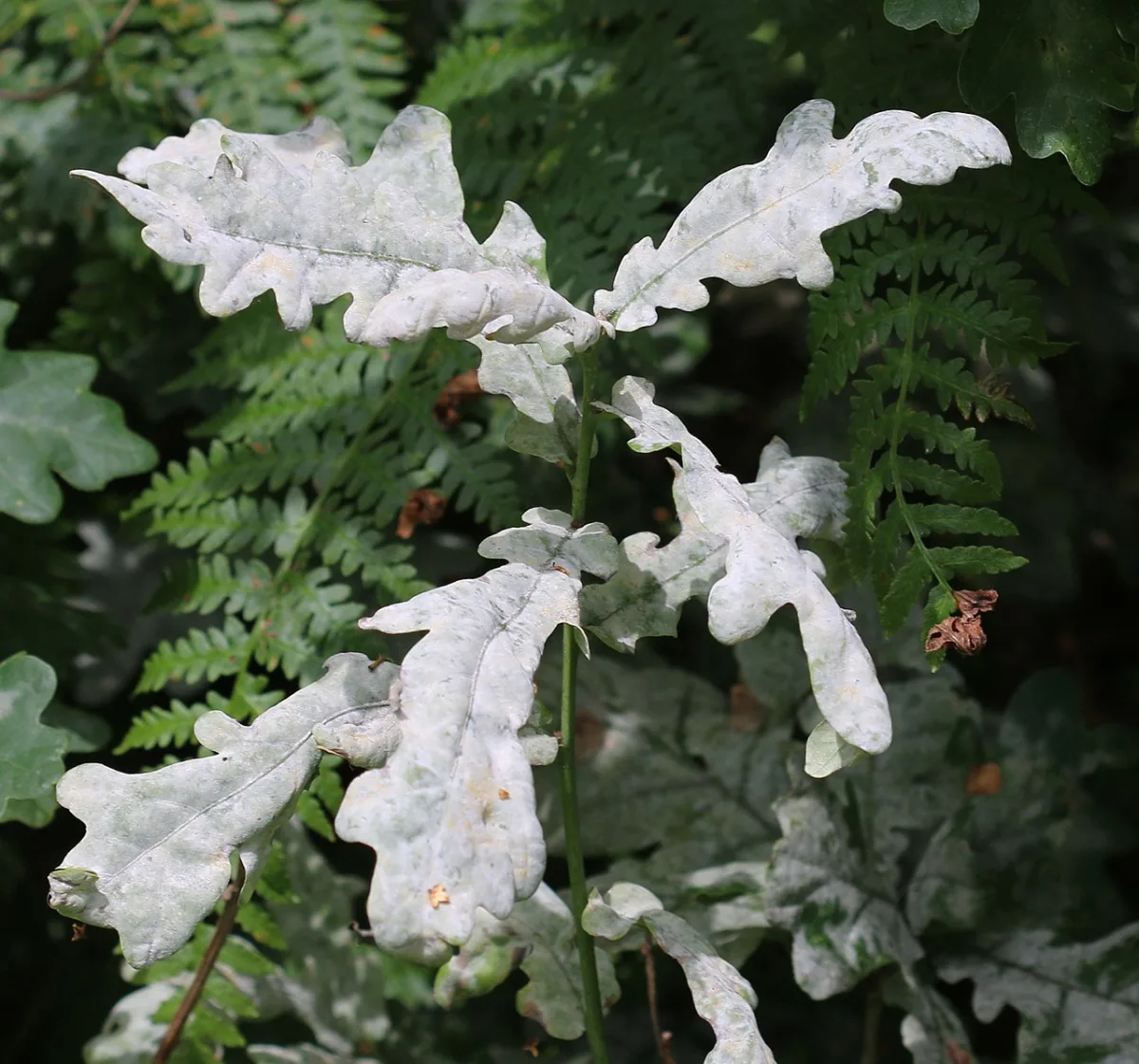
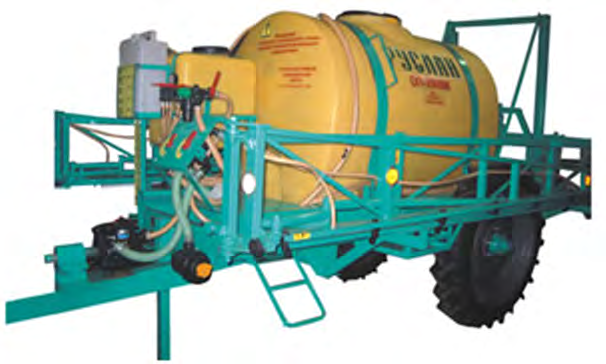
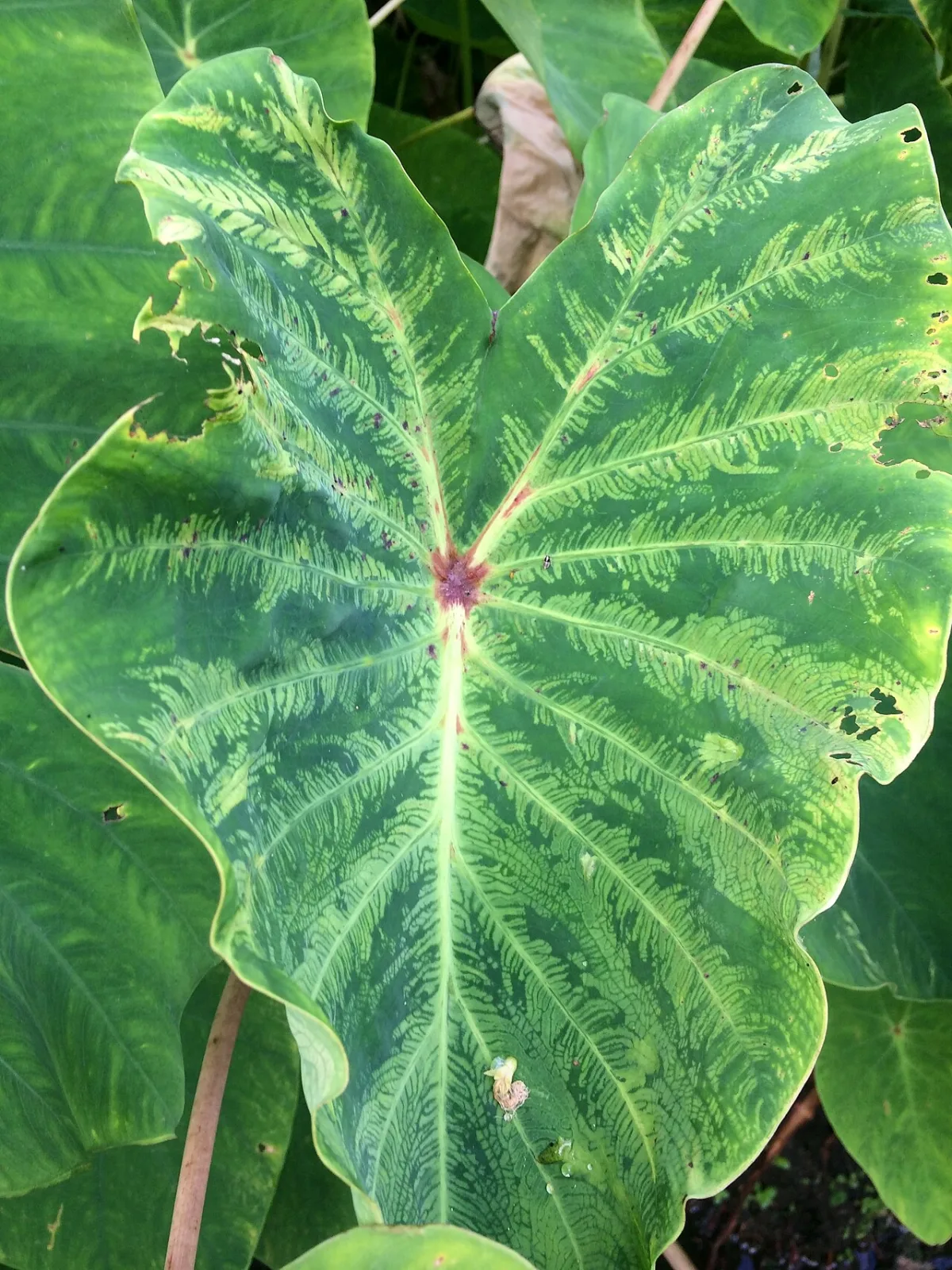
Pesticides remain the primary tool for plant protection, allowing for the control of the spread of pests, diseases, and nematodes both in open soil and in intensive greenhouse operations. The effectiveness of agrotechnical measures directly depends on compliance with the application regulations for products, the precision of setting up spraying equipment, and a deep understanding of the mechanisms of action of active ingredients on pathogens. For an agronomist, the competent use of pesticides is not only a guarantee of saving the harvest but also a duty to ensure the safety of the final product, especially when producing goods for baby food.
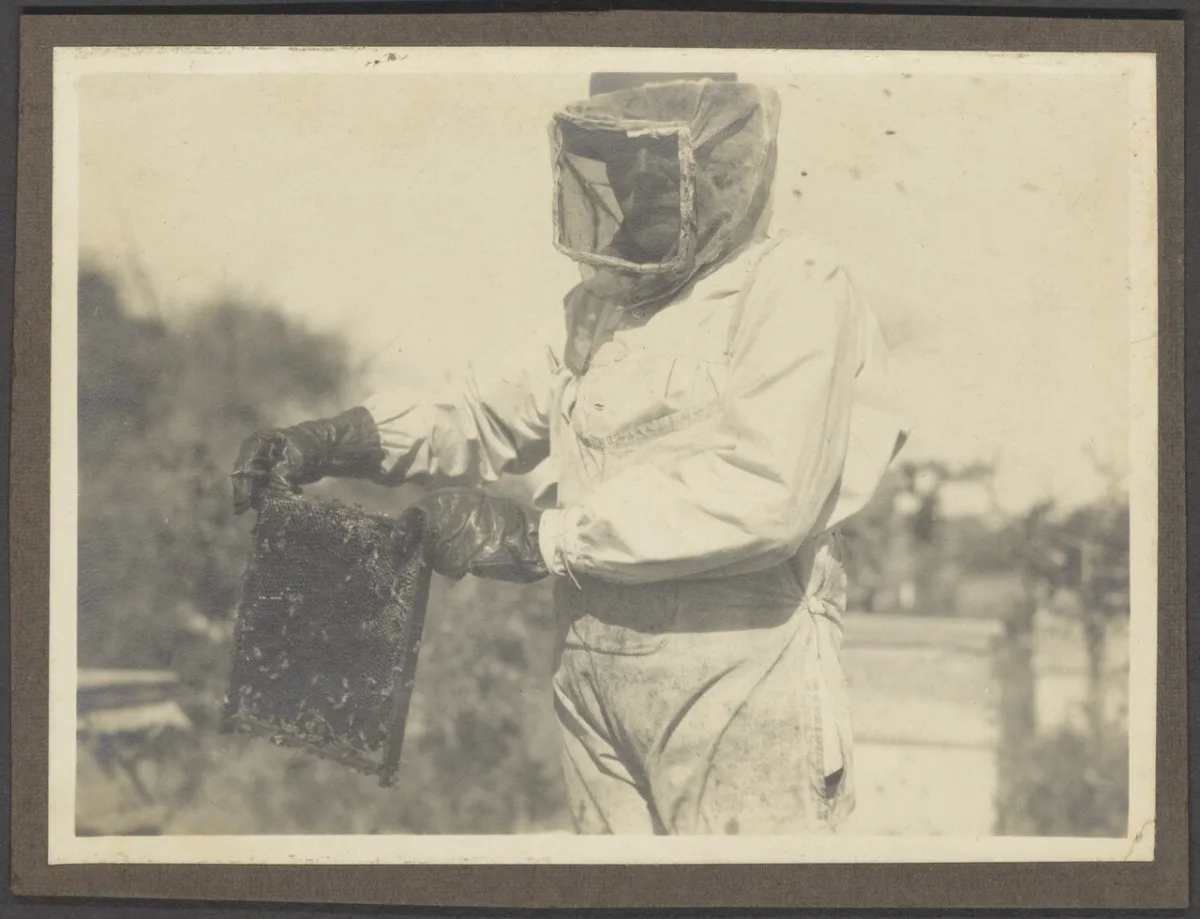
This collection gathers materials covering the full cycle of working with products: from the rules of their registration and safety requirements to practical aspects of preparing soil and greenhouse structures. Readers will find information here on methods of chemical and biological control, methods for analyzing residual quantities in the soil, as well as recommendations for combining plant protection with beekeeping processes. Special attention is paid to the integration of chemical methods with the use of biological products based on Trichoderma fungi and entomophages to form a balanced system for the protection of agrocenoses.