The larval stage of development is a critical phase in the life cycle of many organisms, be it insect pests, helminths, or aquaculture species. Understanding developmental biology at this stage is essential for the agronomist and livestock specialist to develop effective strategies for controlling the population of unwanted species and optimizing the reproduction processes of beneficial ones. The timeliness of protective measures—and, consequently, the preservation of harvest or livestock productivity—depends on how accurately a specialist identifies the species of parasite or pest based on larval characteristics.
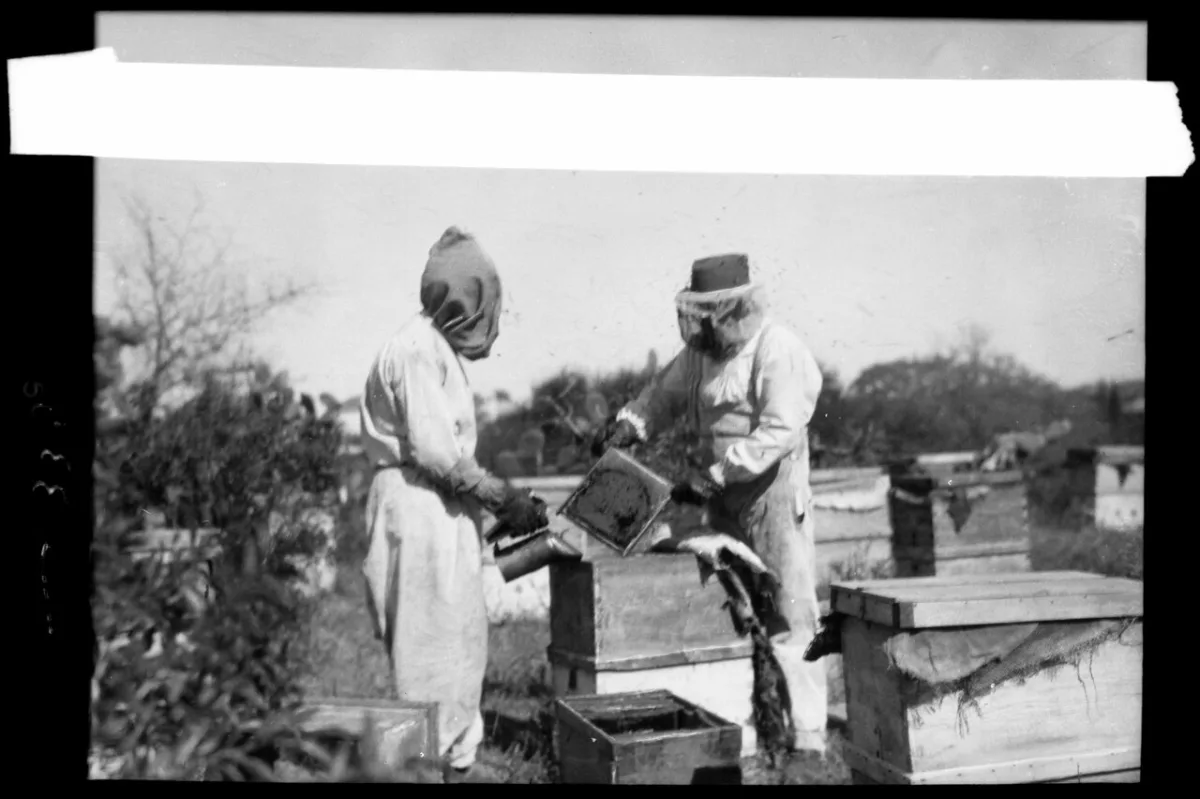
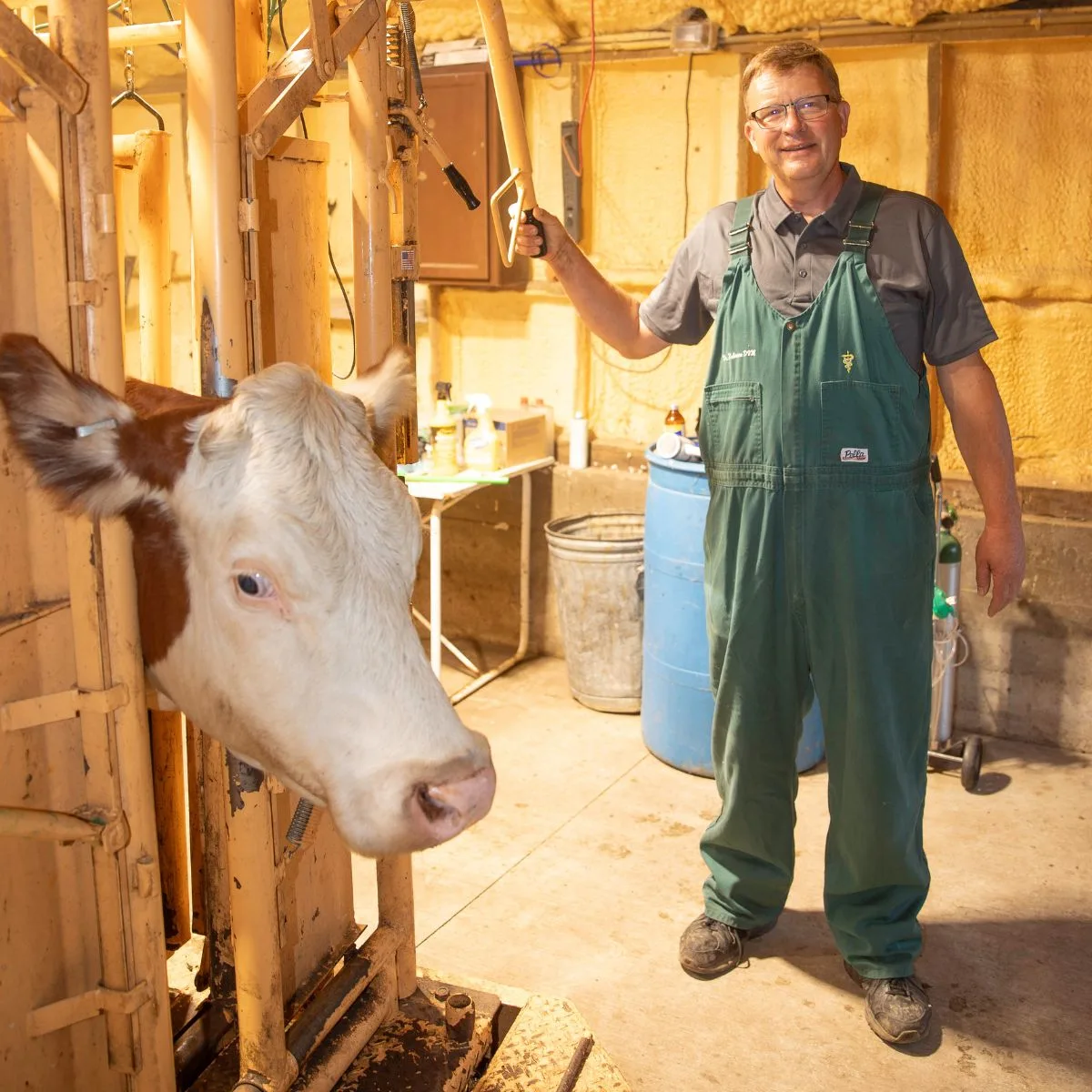
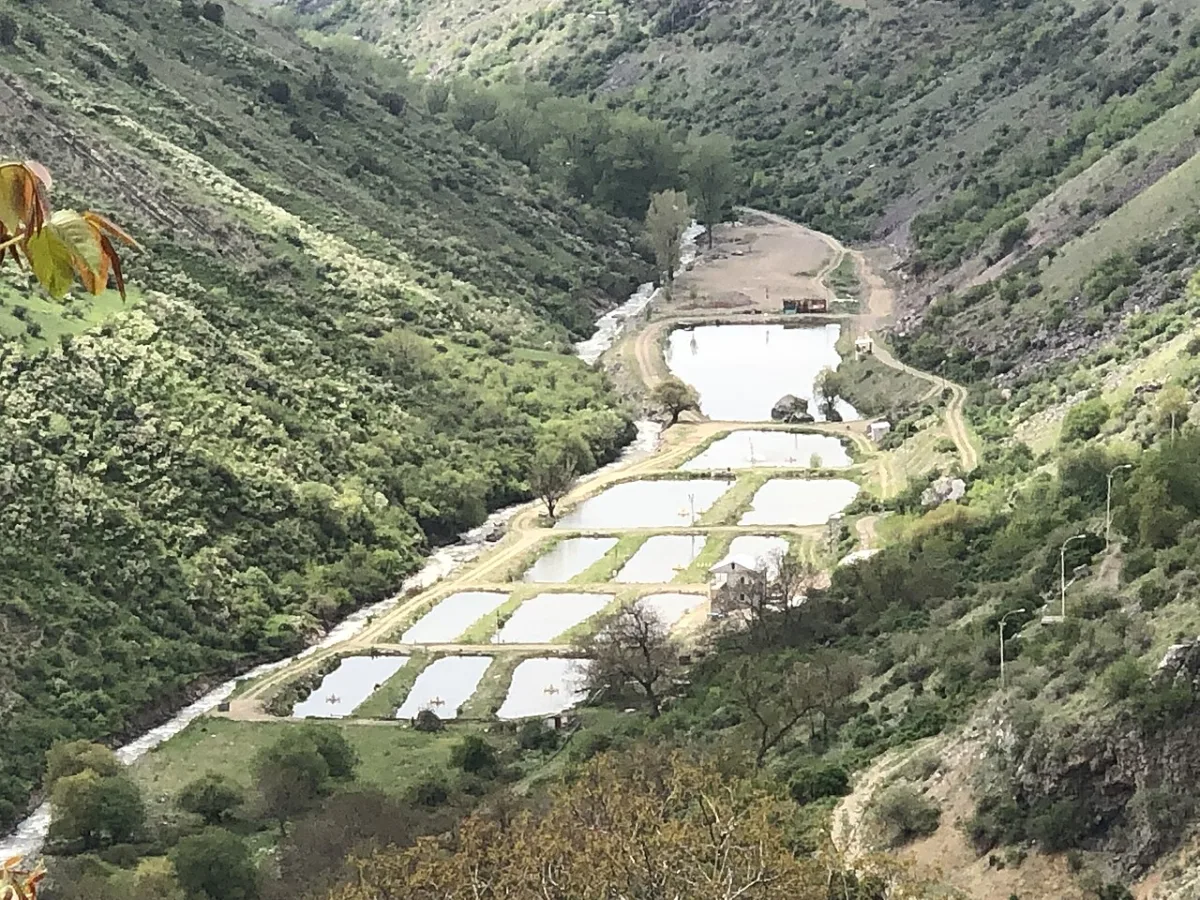
This collection presents articles covering a wide range of practical issues: from carp farming technologies and beekeeping to pest control methods in greenhouses and veterinary expertise for parasitic diseases. Readers will find materials on monitoring the phytosanitary condition of crops, mechanical methods of plant protection, and the diagnosis of helminthiasis. Systematizing knowledge about the biological characteristics of larval development will help specialists more accurately assess the risks of crop and animal infestation, as well as select appropriate methods for breeding, disease prevention, and pest control in various branches of agriculture.