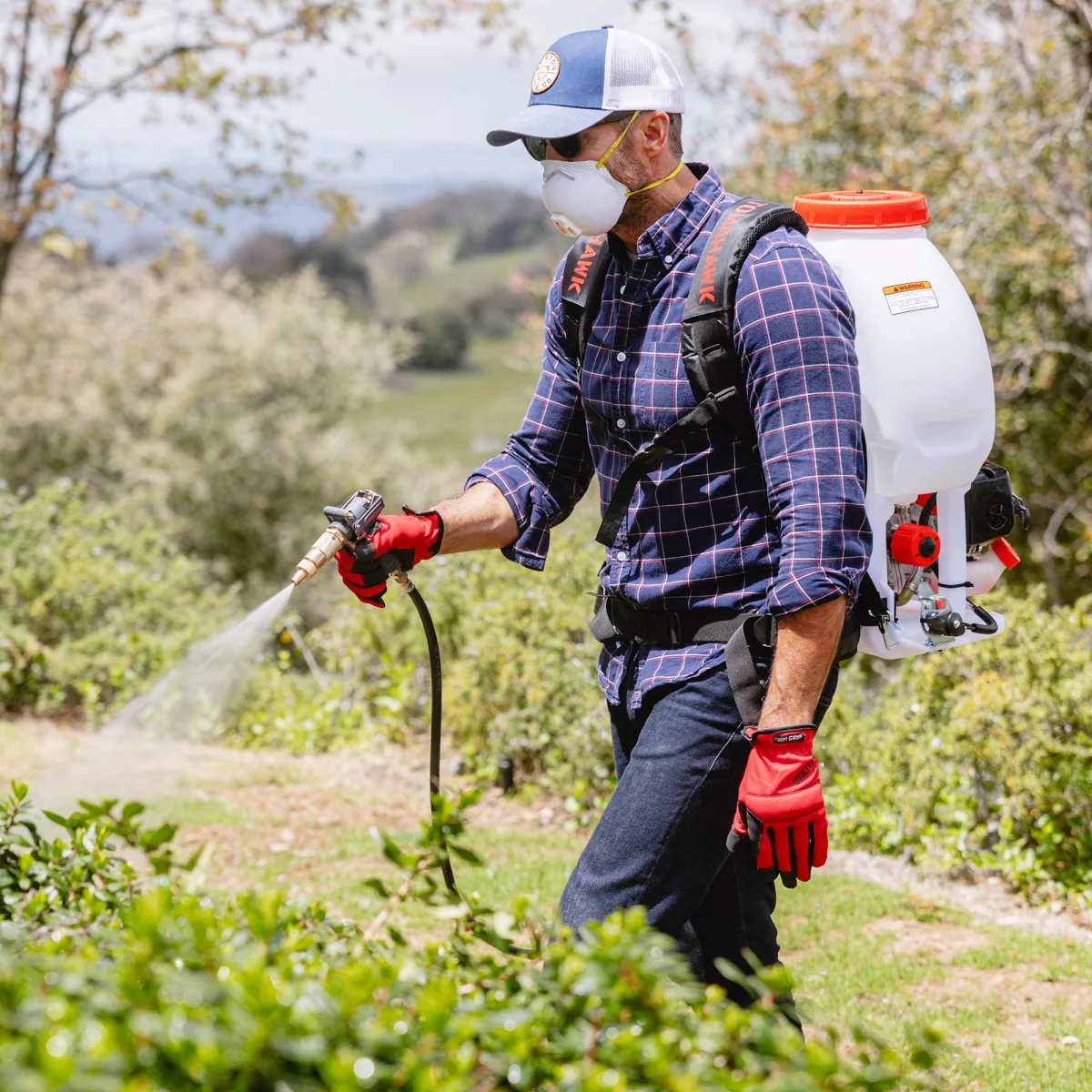
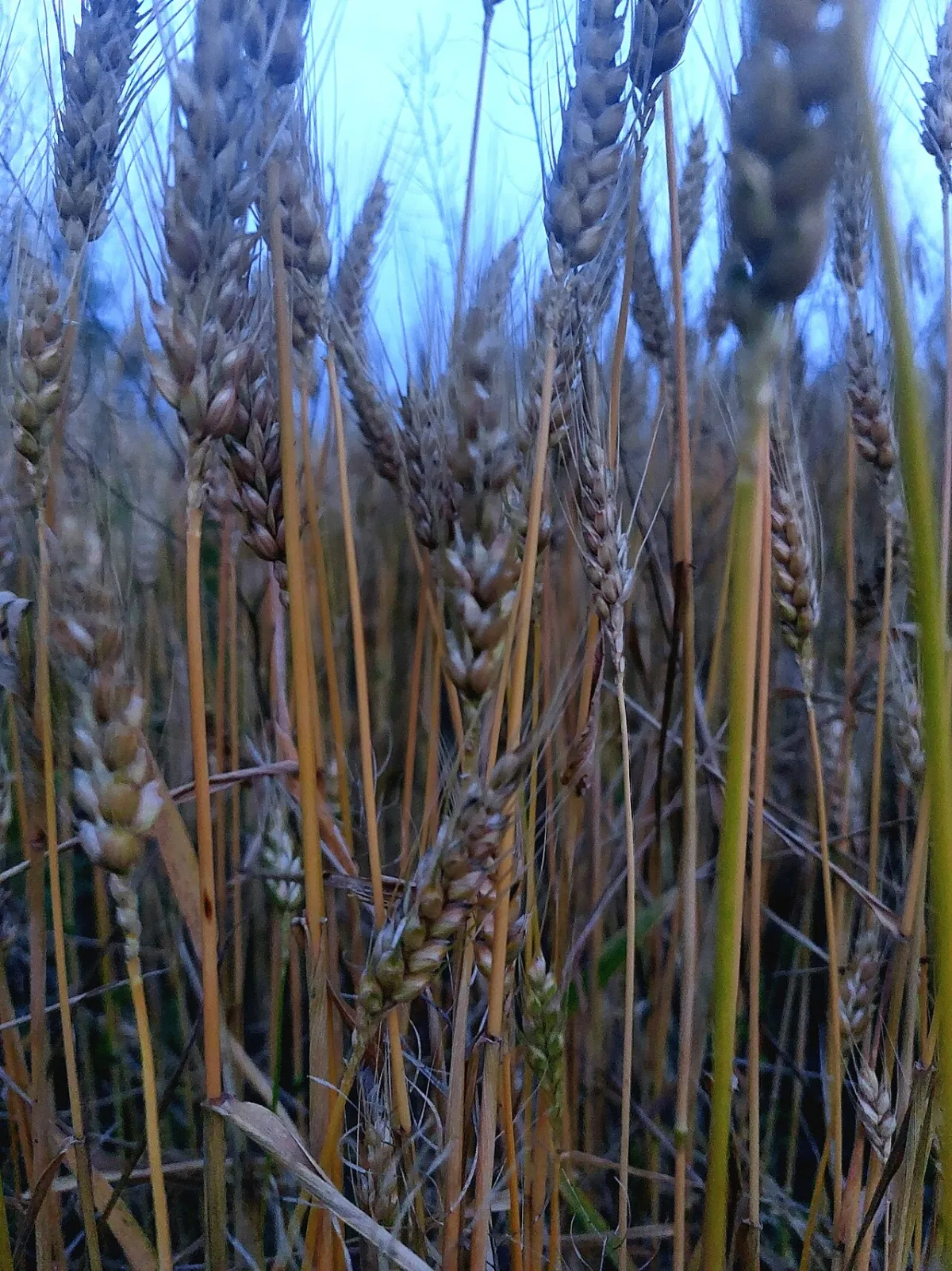
Plant protection is a set of measures aimed at preserving the harvest by controlling pests, pathogens, and adverse environmental factors. For both agronomists and home gardeners, mastering current protection methods is the foundation of profitable farming: whether it involves large-scale sowing of rapeseed and corn or localized vegetable production in greenhouses. Understanding the mechanisms of drug action, assessing the phytosanitary state of land, and knowing the legal aspects of organic farming allow for minimizing losses and maintaining the health of agroecosystems.
In this selection, we have gathered expert materials covering key aspects of modern phytosanitation. You will find detailed reviews of chemical and biological means of protection, including the principles of their action within the plant vascular system and the specifics of application against dangerous pests, such as the European corn borer or root-knot nematodes. Furthermore, the articles highlight methods for assessing crop infestation, issues of fungicidal protection of cereals, and agrotechnical techniques that help control the microclimate and reduce the risk of disease development in protected soil.