Concept · 40 articles

Fruiting

Fruiting is a key stage in the life cycle of garden and vegetable crops, determining the economic efficiency of the farm and the quality of the harvest. For an agronomist and a practicing gardener, managing this process requires a comprehensive approach that combines a deep understanding of the biological characteristics of cultivars, plant development physiology, and the influence of external factors on their productivity. Yield regulation is impossible without competent management of growth processes and an understanding of the tree's metabolic needs at different stages of development.

This selection contains expert materials that systematize techniques for working with fruit trees and vegetable crops. Readers will find here information on modern methods of pruning and canopy formation, taking into account the age and biology of the species, principles of branch bending, as well as the specifics of selecting rootstocks for intensive horticulture. In addition, the materials examine in detail issues of organizing a nutrition system, crop load management, agrotechnology for growing vegetables in a greenhouse, and specific technologies for mushroom cultivation, which will allow for building a balanced and predictable strategy for achieving high results in the garden and greenhouse.

Pruning and training For agronomists

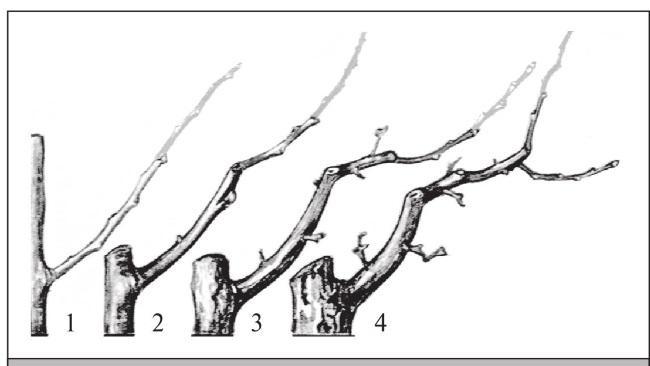
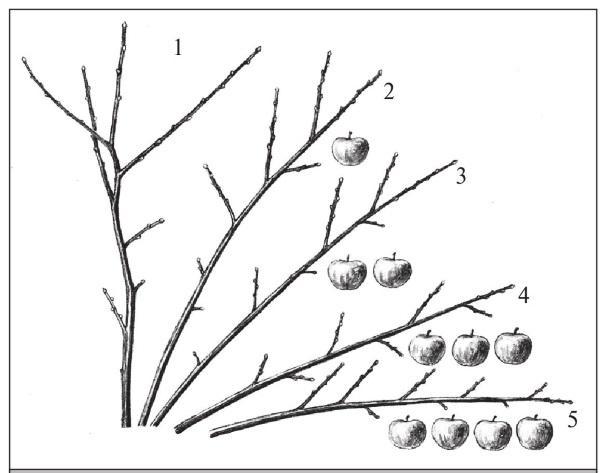
Regulation of tree growth and fruiting by changing the branch angle

Branch bending is an effective method in intensive horticulture that replaces severe pruning. The article describes the physiological impact of tilting on bud development and suggests proven ways of securing branches to control growth and accelerate fruiting

Pruning and training For gardeners

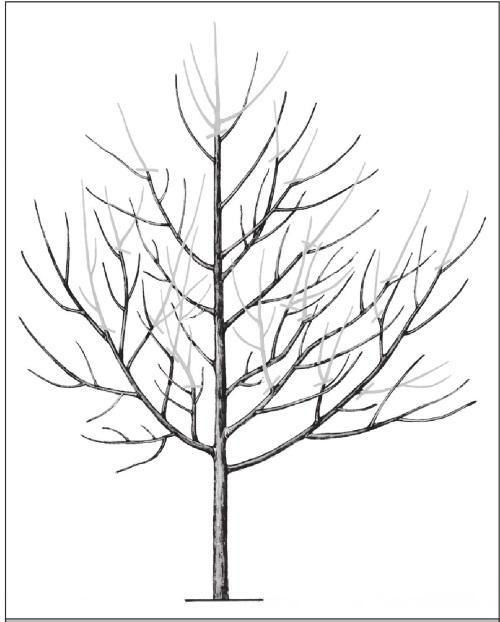
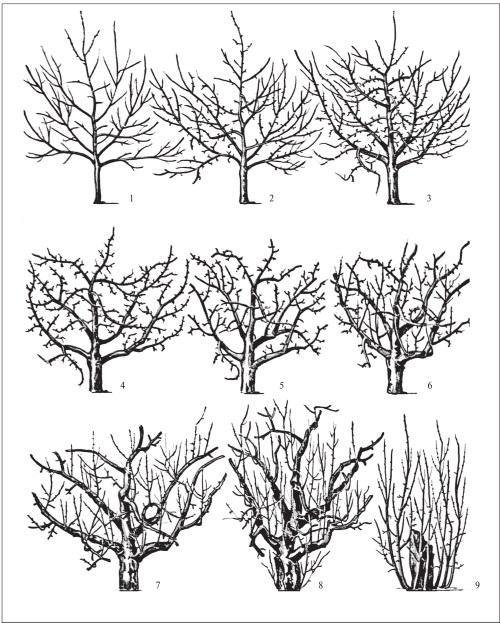
Pruning and canopy formation of fruit-bearing trees in the orchard

Regular pruning of fruit-bearing trees allows maintaining an optimal canopy structure and ensuring a stable harvest. The article describes methods of controlling overcrowding, rules for branch subordination, and the technology of cyclic pruning for the formation of fruiting structures

Pruning and training For gardeners

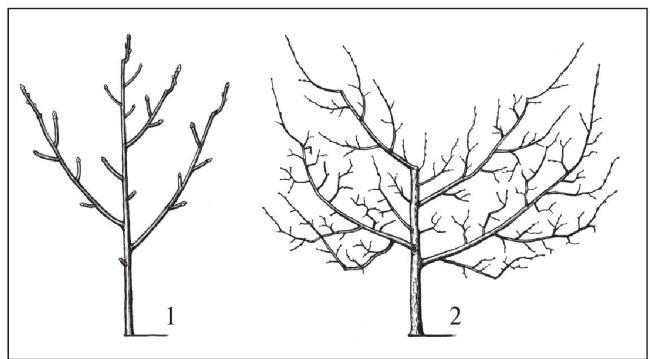
Features of forming and pruning tree-type and bush-type cherry cultivars

Effective pruning of cherry depends on the biological characteristics of the cultivar. The article reveals the differences in the fruiting patterns of bush-type and tree-type forms and provides recommendations for the proper care of fruit-bearing branches

Planting and propagation For agronomists

Selection of seed and vegetative rootstocks for fruit crops

The diversity of gardening conditions requires careful selection of rootstocks for pome fruits and stone fruits. The article analyzes the characteristics of seed and vegetatively propagated rootstocks, their influence on tree development, and features of their use in modern fruit growing.