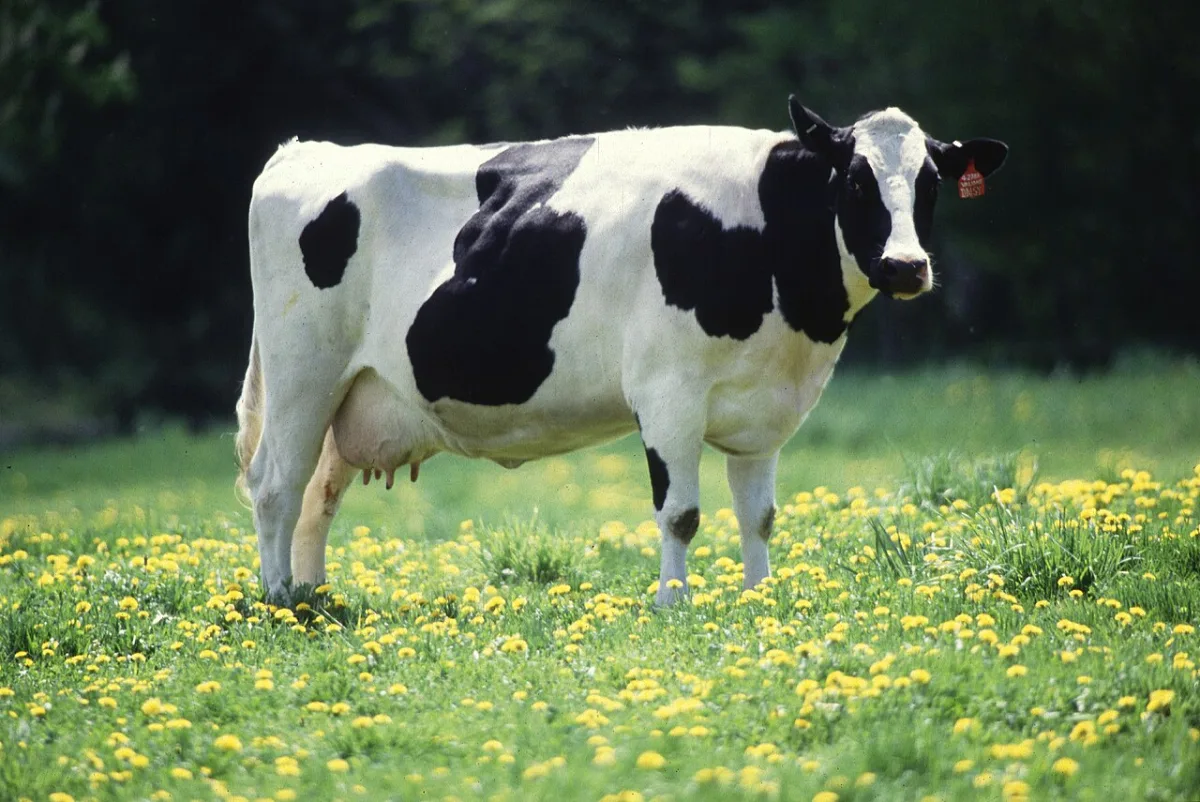
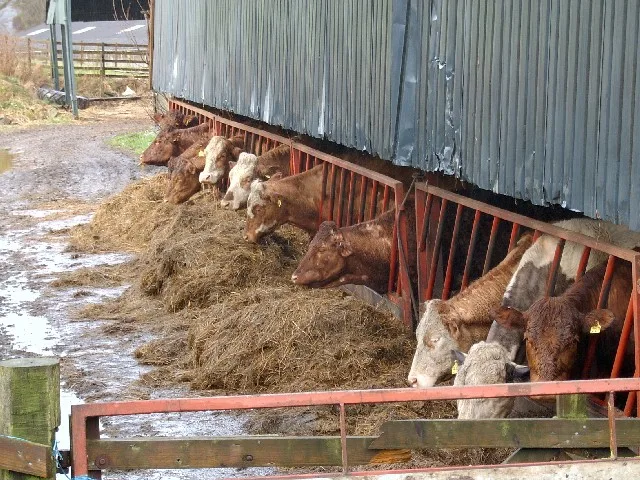
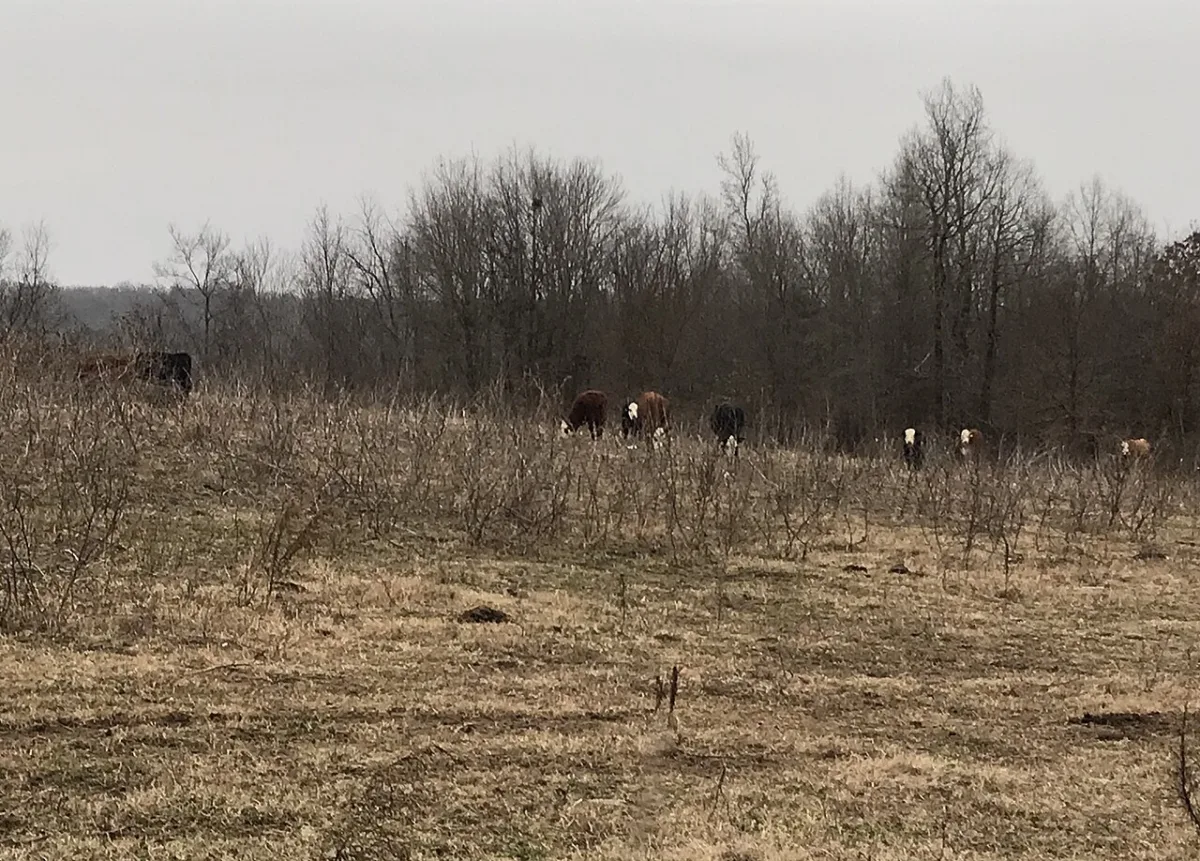
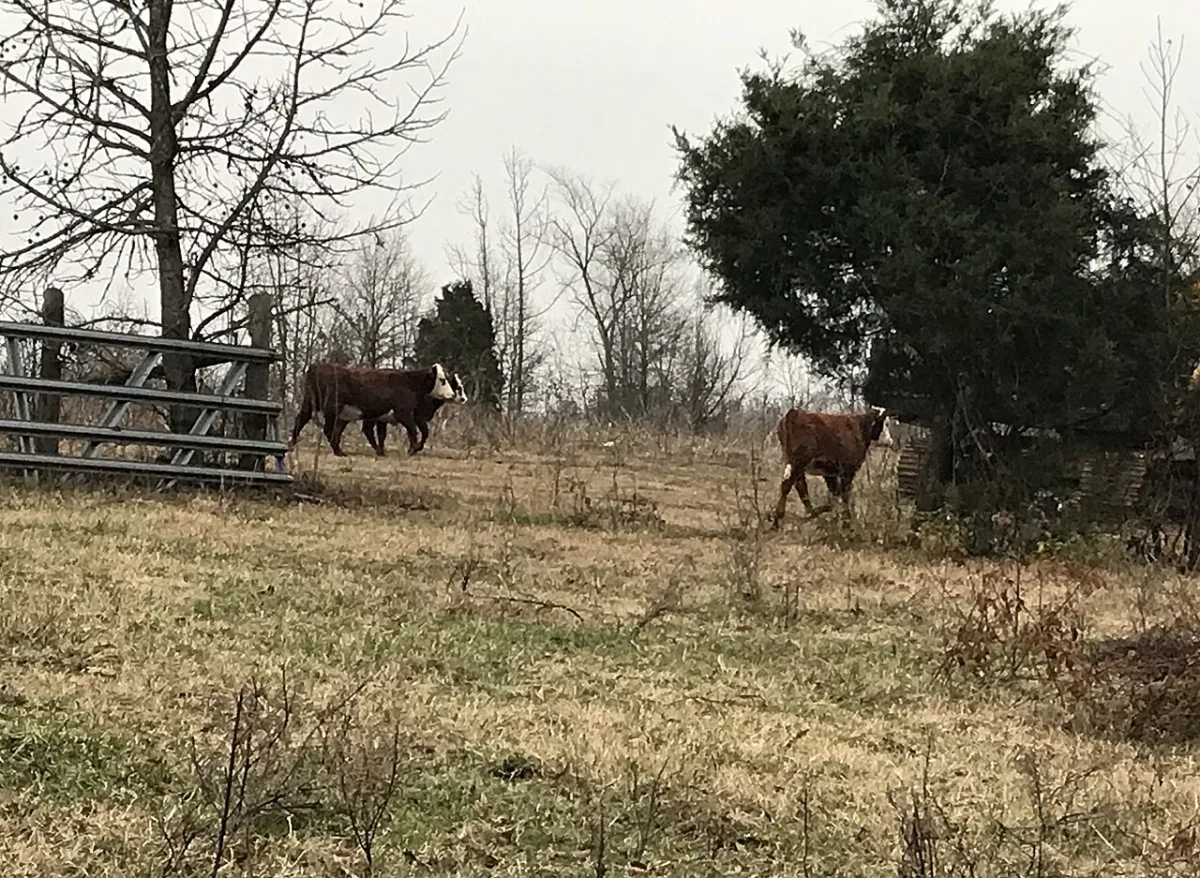
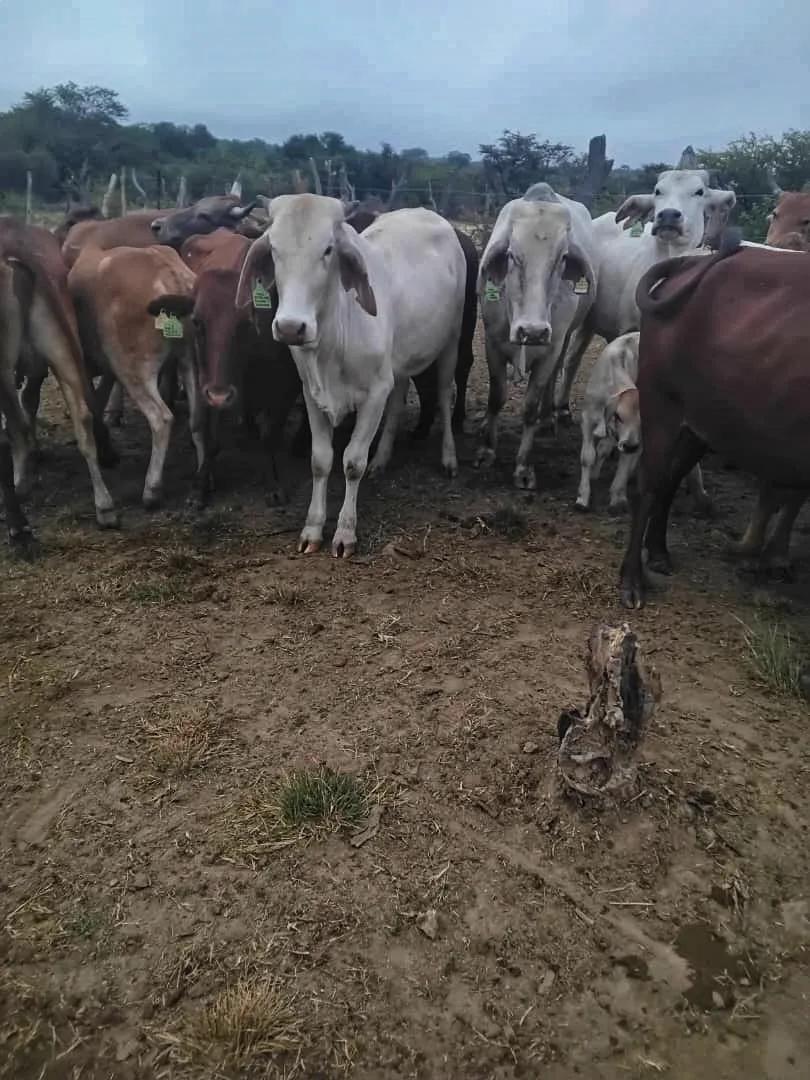
Livestock farming is an integral part of efficient agricultural production, combining knowledge in the fields of biology, animal science, and veterinary medicine. Understanding growth processes, patterns of ontogenesis, and the principles of standardized feeding allows specialists and farm owners to achieve high productivity of livestock animals. Competent organization of selection work, based on methods of selection and matching, combined with proper zootechnical recording, ensures the stable development of the herd and an increase in the quality of the resulting products.
This collection contains systematized materials on key aspects of working with agricultural animals. Readers will find practical recommendations for conducting clinical examinations, methods for the diagnosis and treatment of common diseases of the respiratory and digestive systems, as well as principles for combating parasitic infestations. Special attention is paid to technical issues: methods of animal restraint, assessment of meat productivity, composition of compound feed, and modern identification systems for individuals. The presented information will serve as a reliable basis for a professional approach to keeping animals and managing herd health in the conditions of a modern farm.