
Diagnostics and treatment methods for upper gastrointestinal tract diseases in livestock animals
4 min read
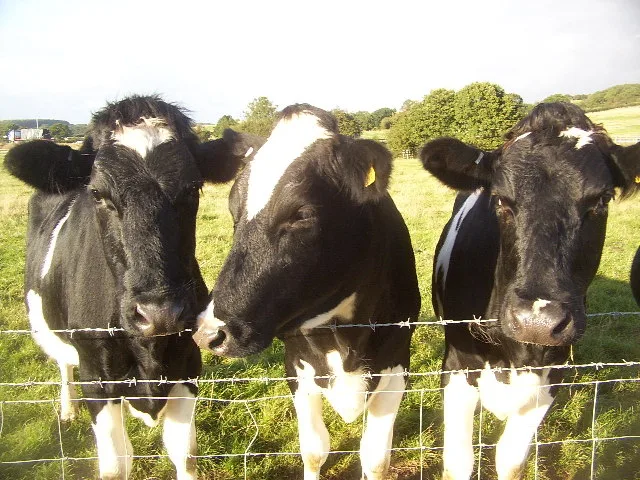
Digestive tract disorders in livestock animals directly reduce herd productivity and can lead to the death of the livestock. To save the animals, it is important for the veterinarian and livestock specialist to recognize the symptoms in time and start treatment.
Lesions of the oral cavity, pharynx, and esophagus
Stomatitis is inflammation of the mucous membrane of the mouth. It can occur in catarrhal, diphtheritic, pustular, aphthous, ulcerative, phlegmonous, or mixed forms. The causes of the disease include mechanical damage by coarse feed or sharp teeth edges, thermal burns from hot feed, as well as chemical poisoning by acids, fertilizers, and poisonous plants. Stomatitis is also caused by biological factors: molds and dangerous infections, including foot-and-mouth disease, necrobacillosis, actinomycosis, leptospirosis, and cysticercosis. The sick animal chews cautiously or spits out feed, suffers from profuse salivation, and a grayish coating and foul-smelling ulcers appear on its swollen tongue. For treatment, the oral cavity is flushed with antiseptic and astringent solutions, and wounds are treated with antibiotic ointments.
Pharyngitis is inflammation of the mucous membrane of the pharynx. As a primary disease, it occurs for the same reasons as stomatitis, and as a secondary condition, it accompanies strangles, anthrax, or swine fever. Pharyngitis progresses severely: the animal is depressed, body temperature is elevated, swallowing is painful, and the inflammatory process quickly spreads to surrounding tissues. Affected individuals are exempted from work, switched to soft and liquid feed, administered intravenous nutrient solutions, and warm compresses are applied to the pharyngeal area.
Esophageal obstruction occurs when eating root crops (potatoes, beet, carrots), corn cobs, and in carnivores — large pieces of meat, bones, or balls. The animal suddenly refuses feed, coughs when trying to swallow, and foamy saliva flows from the oral cavity. When palpating the neck, a dense foreign object is easily detected, and obstruction in the thoracic part is identified by probing. The main preventive measure for this pathology is mandatory chopping of succulent feed before distribution.
With complete esophageal obstruction in ruminants, gases quickly accumulate in the rumen. They compress the lungs and heart, which leads to the rapid death of the animal if emergency assistance is not provided.
In case of esophageal obstruction, the veterinarian must act quickly and consistently:
- Relieve the esophageal spasm with warm poultices on the neck area.
- Pour warm vegetable oil into the esophagus.
- Try to carefully shift the foreign body towards the oral cavity and extract it by hand.
- If the obstruction is in the thoracic part, after pouring the oil, push it into the rumen with a probe or hose.
- If there is a risk of bloating, immediately puncture the rumen with a trocar to vent the gases.
Pathologies of the forestomachs, stomach, and intestines
Rumen tympany is acute bloating due to rapid fermentation of feed masses. The disease develops when eating large quantities of easily fermentable feed: young clover, alfalfa, winter rye, corn, or greens that have warmed up in piles. The situation is aggravated by a sharp transition of livestock from a dry ration to a succulent one. The animal is restless, kicks its belly with its legs, breathes heavily and frequently, and the left paralumbar fossa becomes severely distended. When percussing this area, a distinct drum-like sound is heard, and rumen contractions cease.
Do not graze hungry animals on legume pastures after rain, heavy dew, or frost. The transition to the summer diet must be gradual, with the mandatory mixing of silage into the fresh green mass.
For emergency treatment of tympany, bit-bridling, belly massage, active movement of the animal uphill, and rhythmic pulling of the tongue are used. Vegetable oil, ichthyol, tympanol, or a solution of lactic acid are administered orally. In case of risk of suffocation, an emergency rumen puncture with a trocar is performed.
Atony of the forestomachs is expressed by the weakening or complete cessation of the motility of the rumen, reticulum, and omasum. This is caused by prolonged stall housing, overfeeding with concentrates, monotonous feeding with straw, poor-quality hay, beet pulp, or distillery slops, as well as the use of spoiled feed and vitamin deficiency. Due to the disturbance of the microflora, feed fermentation ceases, the masses begin to rot, causing general intoxication of the body. Sick animals are lethargic, lie down for a long time, show no interest in feed, and rumination disappears. When pressing with a fist in the area of the paralumbar fossa, contractions are not felt, and an indentation remains on the side.
In case of atony and the similar rumen overload (caused by grain feed, silage, distillery slops, and beet pulp), the animal is restricted in feeding for some time. The treatment plan includes the following measures:
- Drenching with laxatives (castor or vegetable oil, sodium sulfate).
- Administration of anti-fermentation agents and folk remedies — cabbage, cucumber, or tomato brine.
- Performing cool enemas and rumen massage.
- In case of rumen impaction, hellebore tincture is additionally prescribed to stimulate motility.
Gastritis and enteritis (inflammation of the stomach and intestines) are accompanied by the discharge of mucous, purulent, or hemorrhagic exudate. The causes include low-quality feed, inappropriate feed mixture temperature, vitamin deficiency, as well as infections such as salmonellosis and colibacillosis. Inflammation disrupts digestion, provokes diarrhea or constipation, and reduces body condition and productivity. In more severe cases — gastroenteritis — severe diarrhea, dehydration, and exhaustion develop. This serious condition is caused by poisoning with pesticides, poisonous herbs, sugar production waste, as well as anthrax, swine fever, and monieziasis.
- Volume of vegetable oil for esophageal obstruction — 200 ml
- Fasting period during treatment of atony — 1–2 days
- Volume of cool water for an enema during atony — 2–3 l
- Recovery period for forestomach atony — 3–6 days
Clinical signs: defecation up to 20 times per day. The eyes are sunken, the skin is dull and loses elasticity, and the nose and limbs are cold.
Read next
Veterinary medicine For students
Characterization of epizootiology and clinical features of strangles in horses
Veterinary medicine For students
Etiology, classification and main causes of mastitis in livestock animals
Soil and tillage For students