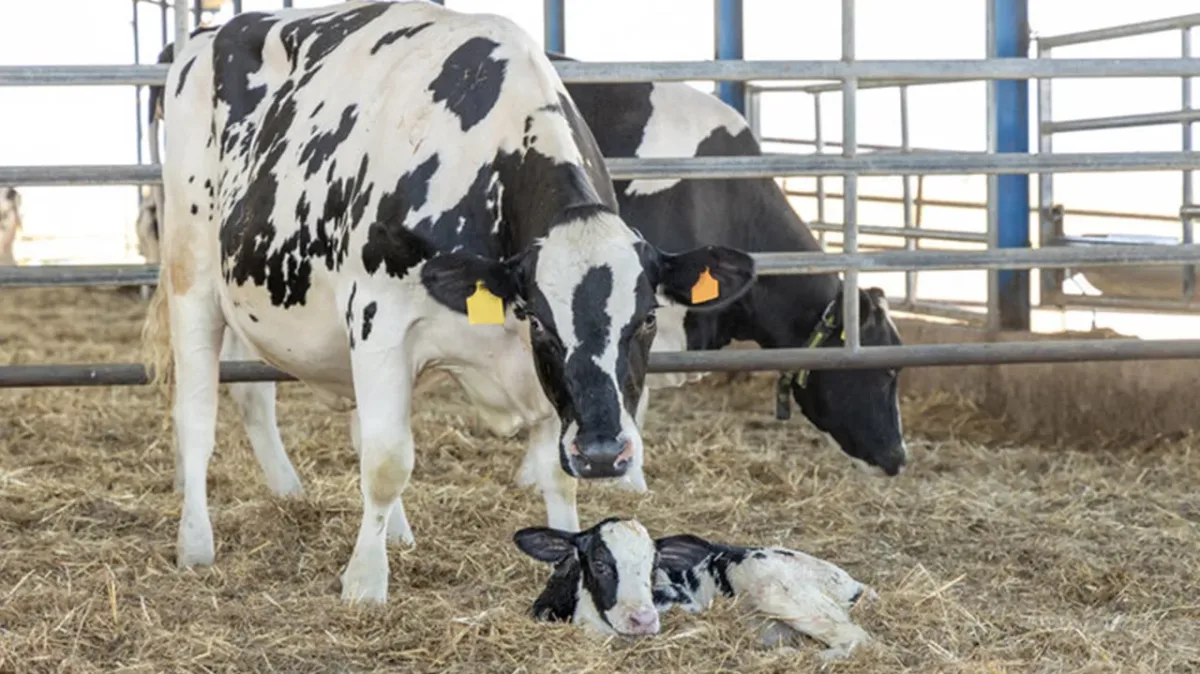
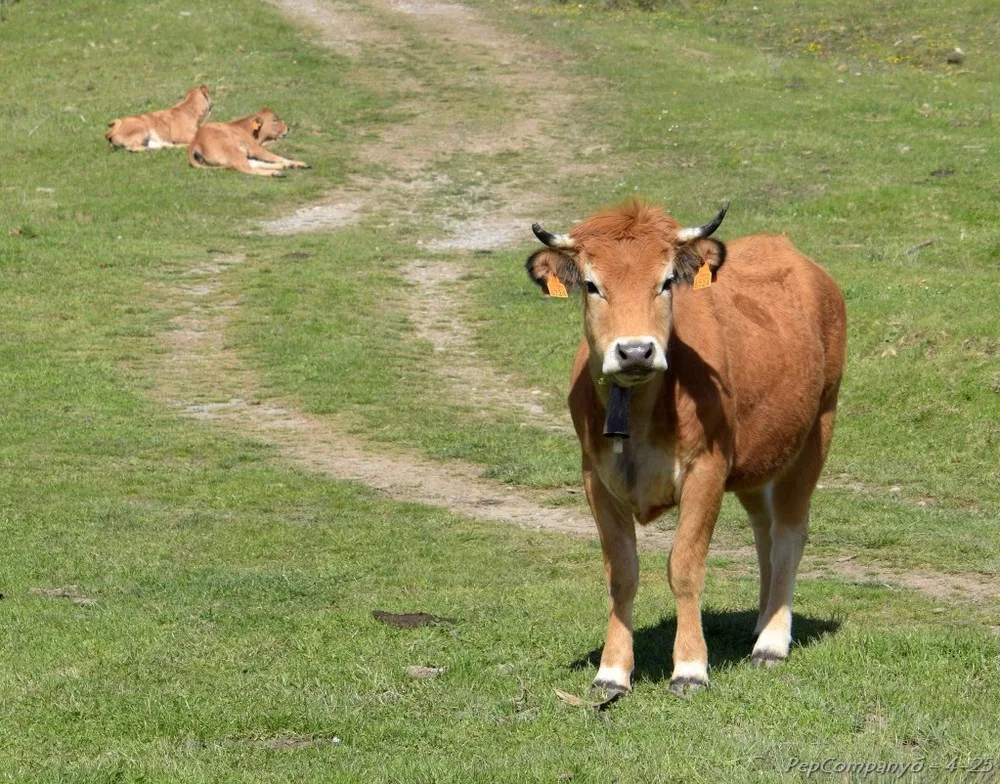
The udder of livestock animals is a complex organ that determines the economic efficiency of a livestock farm. Understanding the physiology of the mammary gland, methods for evaluating conformation, and the correct calculation of productivity allow the owner of a farm or private homestead to competently plan breeding work and optimize milk yield. Not only the volume of milk yield and product quality, but also the overall safety of the livestock directly depend on the health of the udder; therefore, veterinary control and disease prevention are critically important aspects of an agronomist's daily work.
This collection contains expert materials covering issues of etiology, classification, and treatment of mastitis, as well as general principles for evaluating milk productivity and conformation traits of livestock. In addition, the articles present methods of veterinary care, basic aspects of surgical intervention, and hygienic requirements for keeping animals. Studying these topics will help readers systematize their knowledge of modern approaches to veterinary medicine and production technologies, minimizing the risks of inflammatory processes and increasing the profitability of dairy farming.