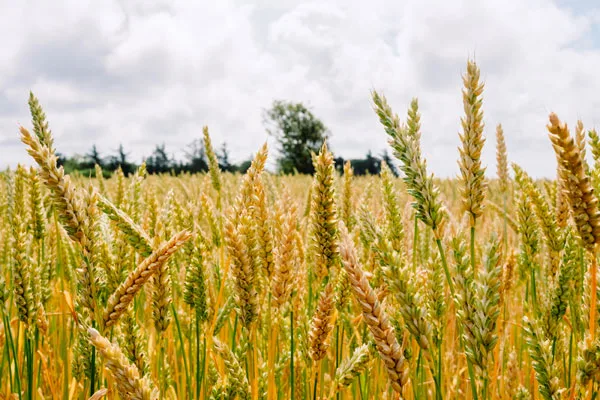
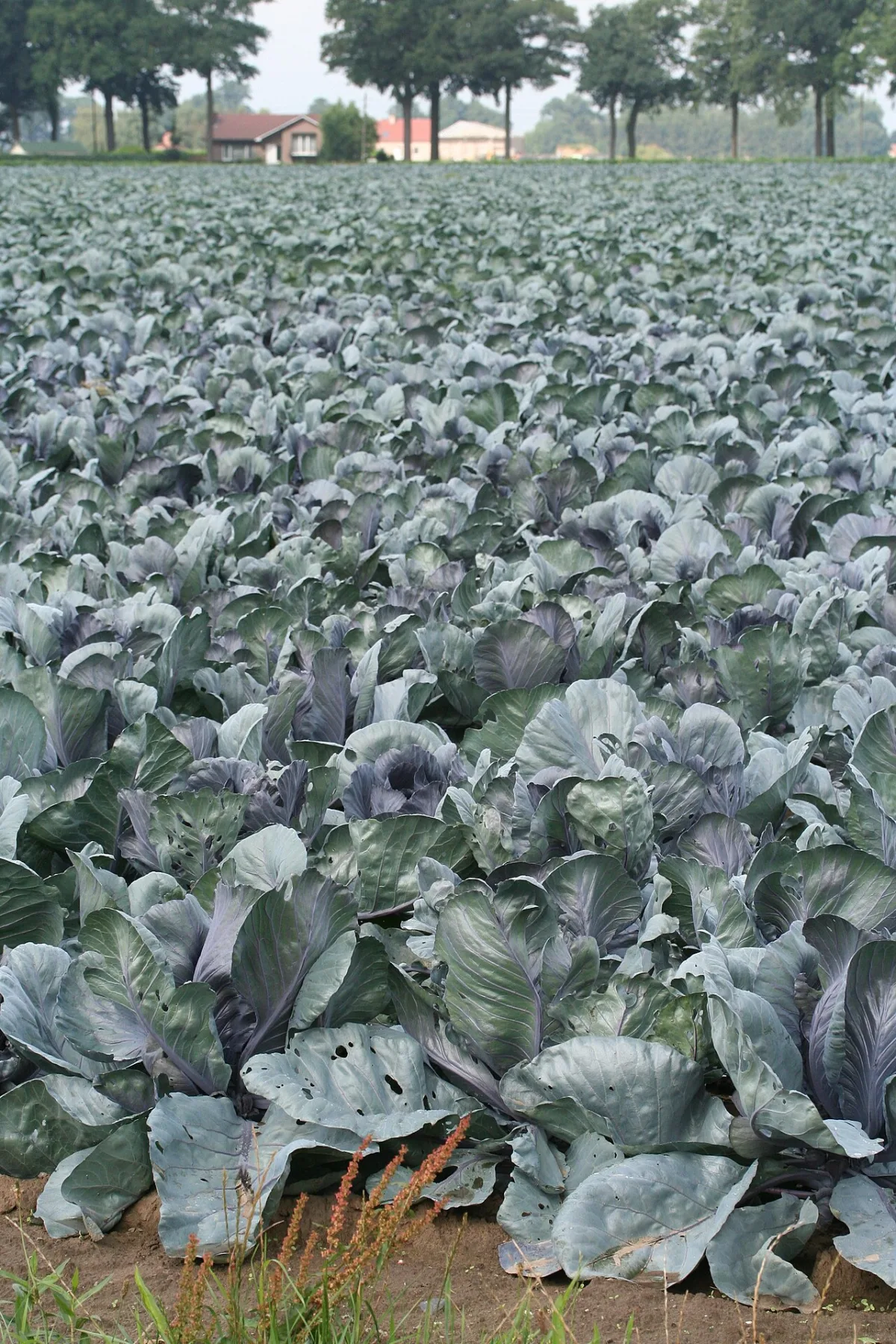
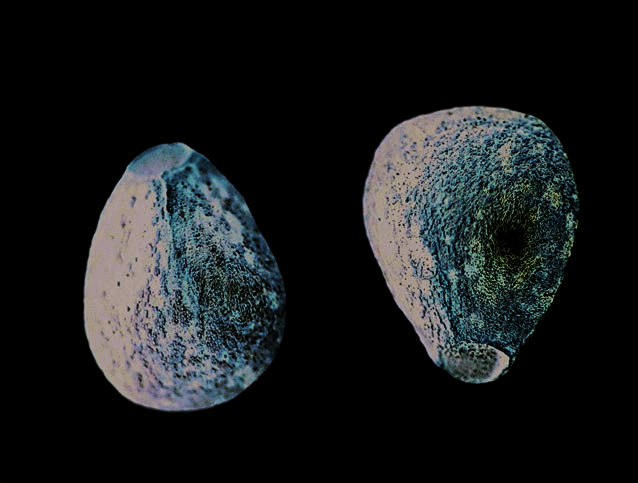
Grain crops form the basis of global agriculture, ensuring food security and serving as a key object of crop production. A deep understanding of the biological characteristics, patterns of ontogenesis, and morphological structure of these plants is necessary for effective yield management. For an agronomist, knowledge of crop development mechanisms, the influence of climatic conditions, and mineral nutrition systems serves as the foundation for making professional decisions at every stage — from seed preparation and the choice of sowing method to the development of strategies for protection against pests and pathogens.
This selection combines expert materials covering both theoretical aspects of agronomy and applied methods for working with grain crops. Readers will find here methodologies for calculating losses and evaluating product quality, as well as recommendations on the use of agrotechnical practices such as senication and the application of micronutrient fertilizers. The articles examine in detail the issues of weed control and diseases, such as Fusarium and Cercosporella rots. The provided information will help to systematize knowledge about cultivation technologies, methods for conducting agrochemical experiments, and the evolution of farming systems, which will allow for the optimization of growing processes and the increase of crop productivity.