
Common hemp-nettle is a dangerous weed of crops and forage.
1 min read
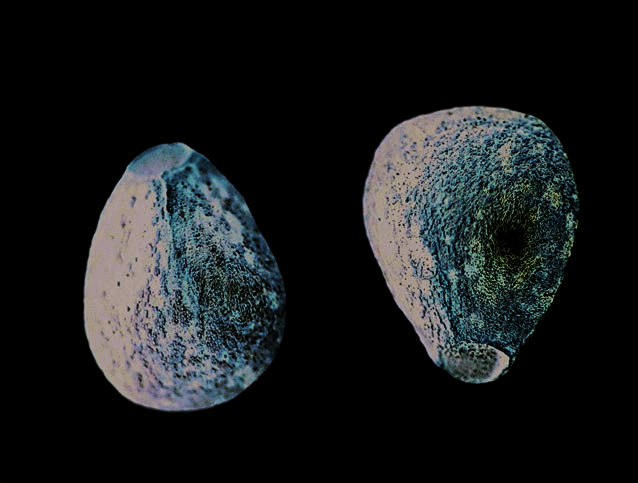
Common hemp-nettle (Lamiaceae family — LAMIACEAE Lindl.) is one of the most dangerous weeds that contaminate finished crop products. It grows vigorously along roadsides, in vegetable gardens, and in crops of grain crops. The weed is found almost everywhere in the European part of the country, except for the extreme south, though it poses the greatest problem in the western regions.
Why hemp-nettle is dangerous in crops and feed
In hemp-nettles, both the above-ground green mass and the nutlets are toxic. Feeding contaminated forage leads to the poisoning of horses and degrades milk quality in cows. Grain and flour also become toxic to humans and livestock if they are contaminated with the weed's nutlets.
The weed contaminates the harvest with its one-seeded nutlets, known as erems. Morphologically, these obovate nutlets are practically indistinguishable from the seeds of the large-flowered hemp-nettle. Depending on the intensity of the mottling, they can be darker or lighter in color. Due to its high contaminating capacity and the difficulty of cleaning the bulk harvest, hemp-nettle remains one of the most common undesirable components in harvested plant products.
- Fatty oil content in nutlets — up to 40%
- Nutlet length — 2.75–3.25 mm
- Nutlet width — 2–2.5 mm
- Nutlet thickness — 1.25–1.5 mm
Read next
Seeds and varieties For agronomists
Characteristics of fruitlets and harmfulness of the weed Heliotropium europaeum
Seeds and varieties For agronomists
Morphological characteristics of seeds and toxicity of common houndstongue
Seeds and varieties For agronomists