
Characteristics of fruitlets and harmfulness of the weed Heliotropium europaeum
1 min read
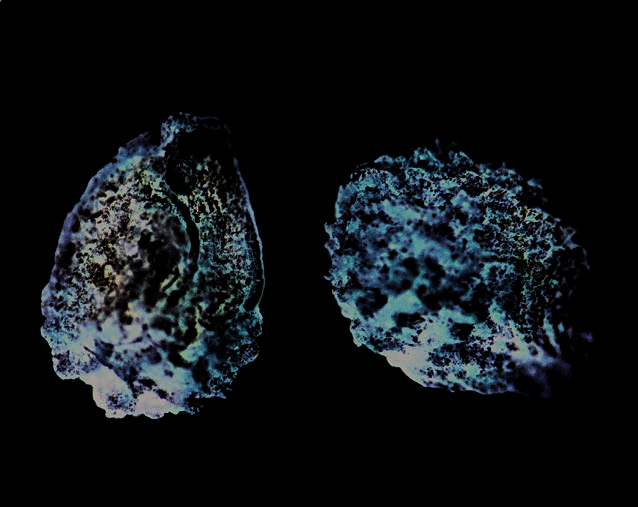
Heliotropium europaeum is a harmful plant of the Boraginaceae family, posing a serious threat to agricultural land. The weed actively infests crops of grain crops, and is also frequently found in orchards, vineyards, and vegetable gardens. The plant is widely distributed in the southern regions of the European part, Crimea, the Caucasus, Western Siberia, and Central Asia.
The nutlets of the weed contain the toxic alkaloid heliotropine. Contamination of the harvest or feed base with this plant is unacceptable due to its pronounced toxic properties.
Morphometric characteristics and seed identification
To prevent the weed from entering the seed stock, an agronomist must accurately identify its nutlets. They have an obovate shape with a swollen, expanded apex and an elongated base. The surface of the nutlets is matte, coarsely wrinkled and tubercular, and the oval fruit scar is formed as a small outgrowth. The color varies from greenish-brown to dark brown, with the fruit projection being a lighter shade.
During phytosanitary analysis and laboratory cleaning of seed samples, Heliotropium europaeum nutlets are identified by established dimensions:
- Nutlet length — 1.752 mm
- Nutlet width — 11.5 mm
- Nutlet thickness — 11.5 mm
Read next
Seeds and varieties For agronomists
Morphological characteristics of seeds and toxicity of common houndstongue
Seeds and varieties For agronomists
Morphological characteristics and toxicity of Trichodesma incanum seeds
Seeds and varieties For agronomists