
Morphological characteristics and toxicity of Trichodesma incanum seeds
1 min read
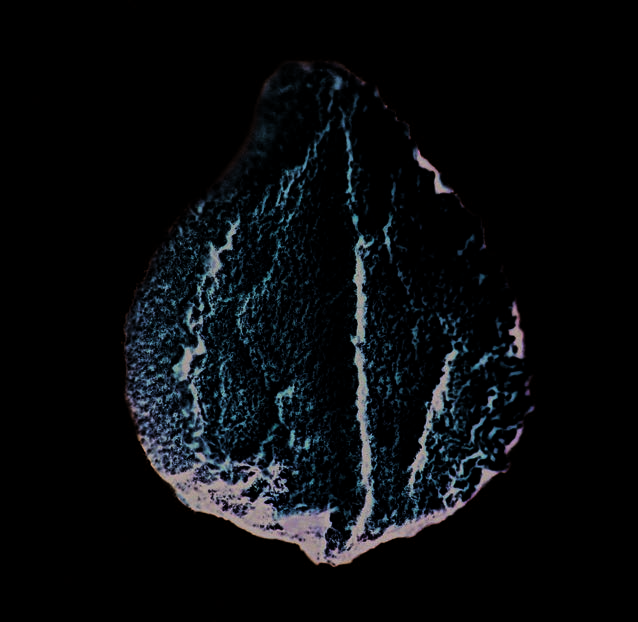
Grey trichodesma (Boraginaceae Juss. family) poses a serious danger to farms in Central Asia. This weed infests irrigated crops of wheat and cotton, reducing the quality and safety of the harvest. The main threat lies in the high toxicity of the weed: its poisonous seed can transfer dangerous substances directly to healthy cereal grains when present together in the bulk.
Seeds of grey trichodesma are poisonous. Upon contact in the bulk, they transfer toxic substances directly to cereal grains, making the resulting harvest dangerous for use.
Morphological features of the weed's fruitlets
To prevent contamination of seed material, it is important to be able to identify the pest's fruitlets by their appearance. They have an obovate shape, are strongly compressed on the dorsal and ventral sides, and are noticeably elongated towards the base. The apex of the fruitlet is broadly oval and rounded, with a wide fruit scar occupying almost the entire surface of the ventral side. The color of mature seed varies from brown and dark brown to greyish-green.
The surface texture of the fruitlet allows for quick distinction from other impurities in the grain. The dorsal side has a clearly folded, densely round-warty surface, slightly raised at the edges. On the ventral side, the seed looks completely different — its surface is spongy and cushion-like.
- Fruitlet length — 7,510 mm
- Fruitlet width — 57,5 mm
- Fruitlet thickness — 23 mm
Read next
Seeds and varieties For agronomists
Botanical characteristics and harmfulness of the weed viper's bugloss
Seeds and varieties For agronomists
Characteristics of fruitlets and harmfulness of the weed Heliotropium europaeum
Seeds and varieties For agronomists