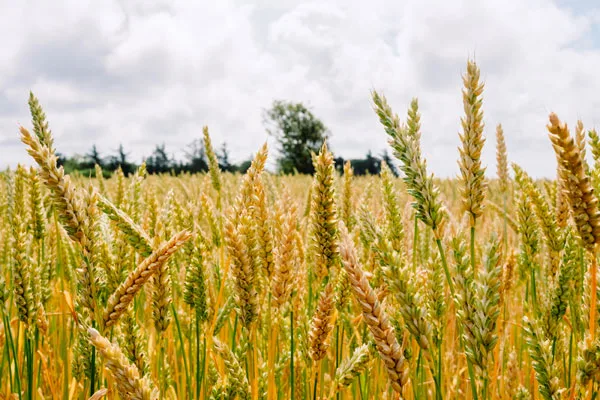
Plant residues are a critical component of the agroecosystem, ensuring biological activity of the soil and maintaining its soil fertility. The processes of organic matter transformation into humus directly affect soil structure, their agrochemical indicators, and the efficiency of fertilizer application. Understanding these mechanisms is essential for establishing the right balance of organic matter in the arable layer and preventing land degradation, which is the foundation of productivity for any agricultural crop.
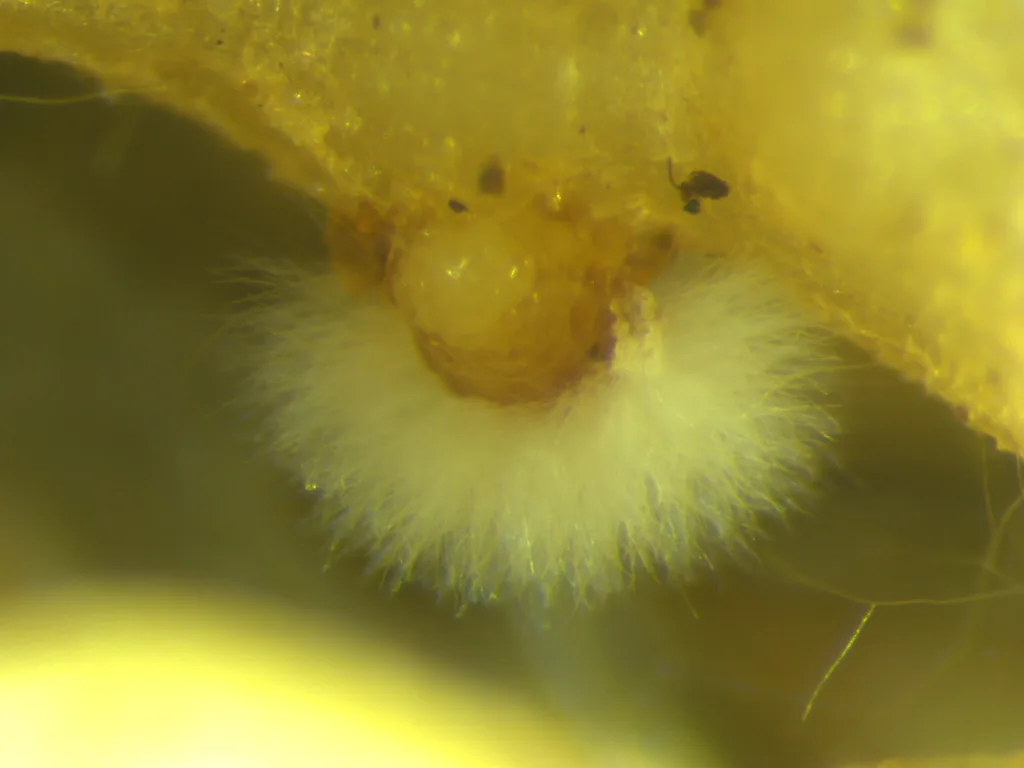
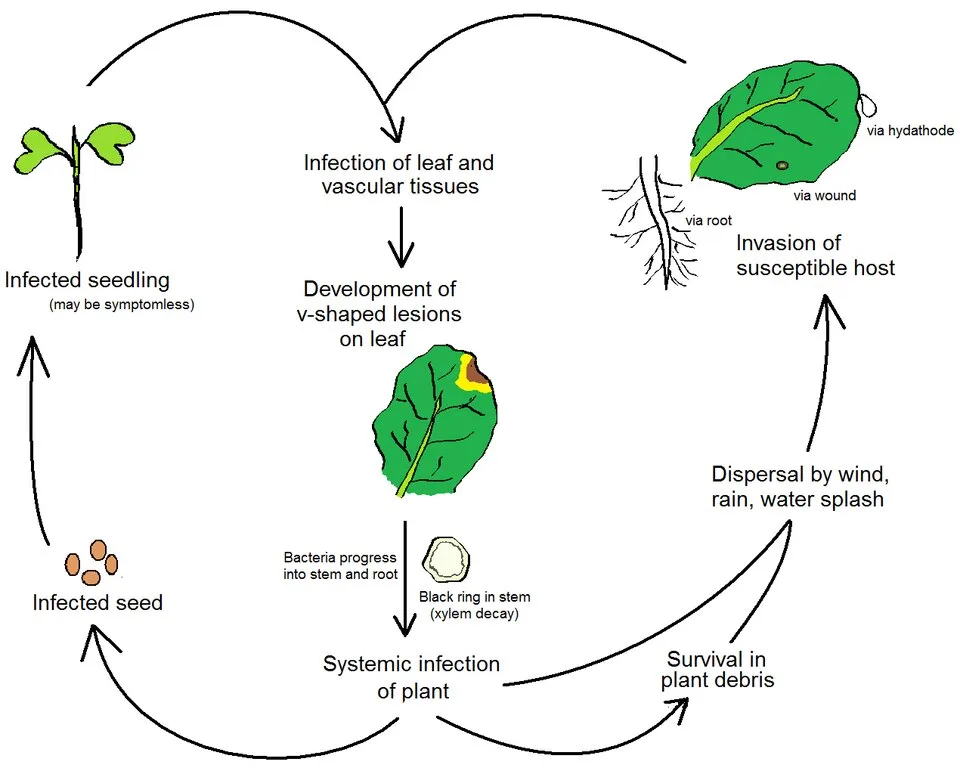
This selection systematizes the knowledge required for the competent management of plant health and soil condition. The provided materials cover methods of soil tillage, including the use of ploughs and conservation tillage techniques, as well as sanitary measures that prevent the accumulation of infections. Special attention is paid to mycology: the reader will find a description of the biological characteristics of phytopathogenic fungi, diagnostics of dangerous diseases of vegetable crops, and plant protection strategies. These articles will help practicing agronomists and gardeners take a comprehensive approach to site restoration, from managing the organic composition of the soil to preventing the spread of harmful diseases.