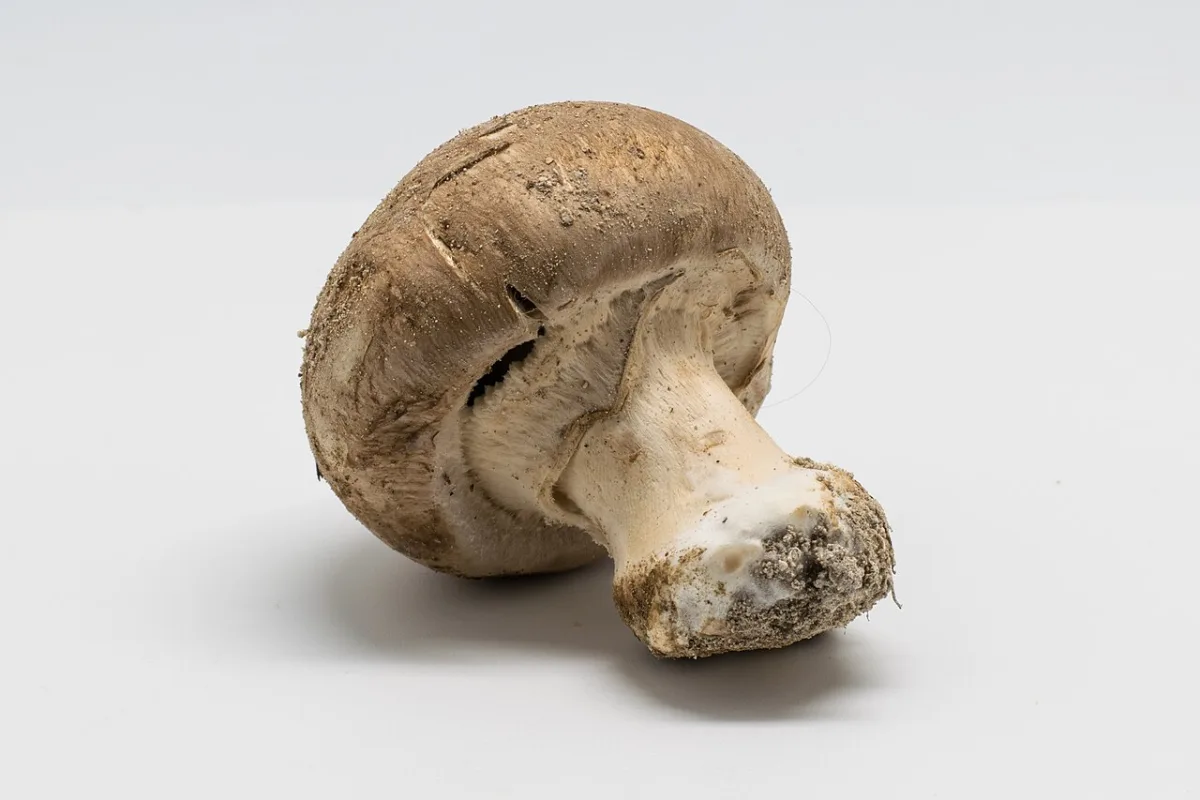
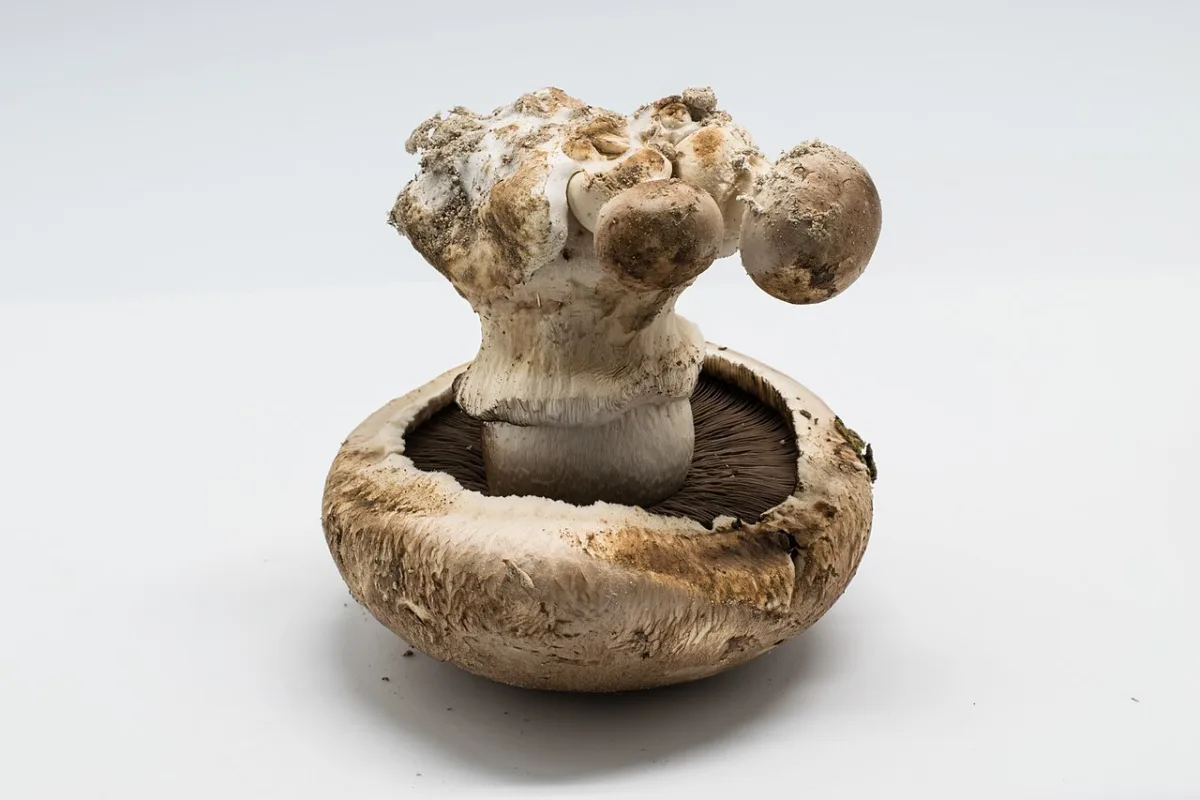
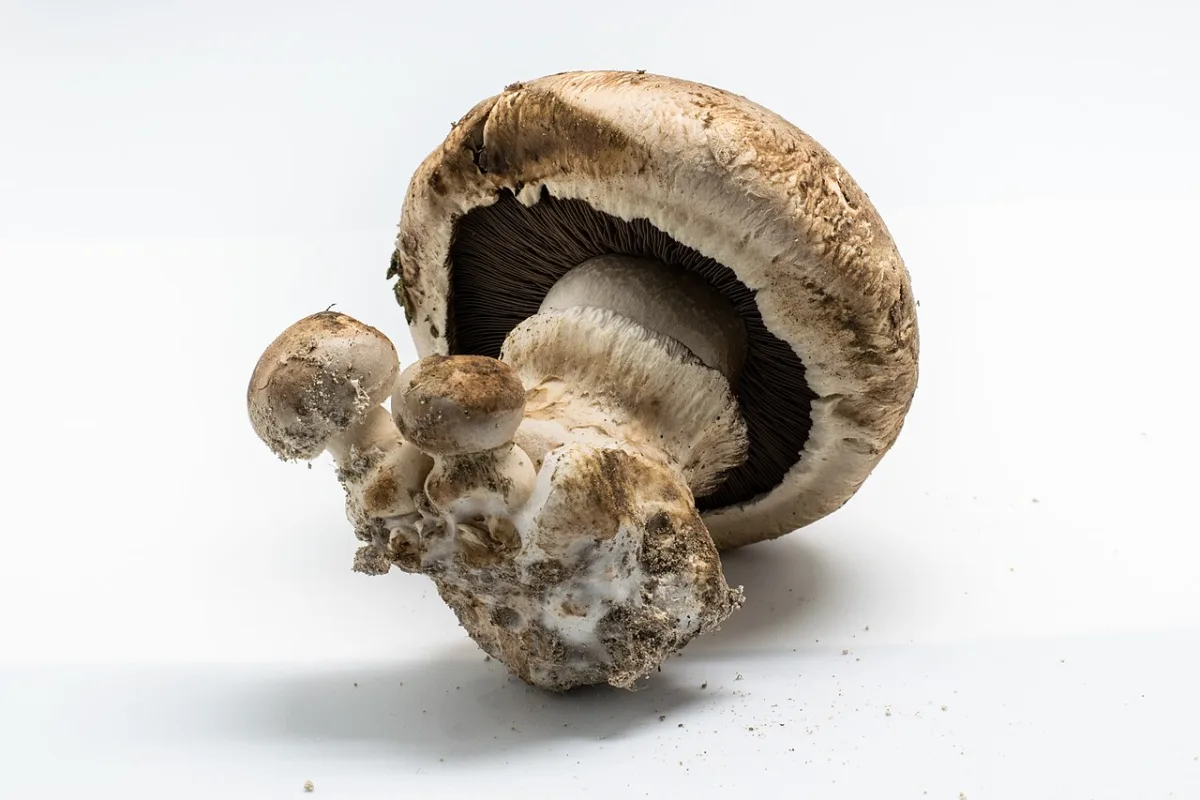
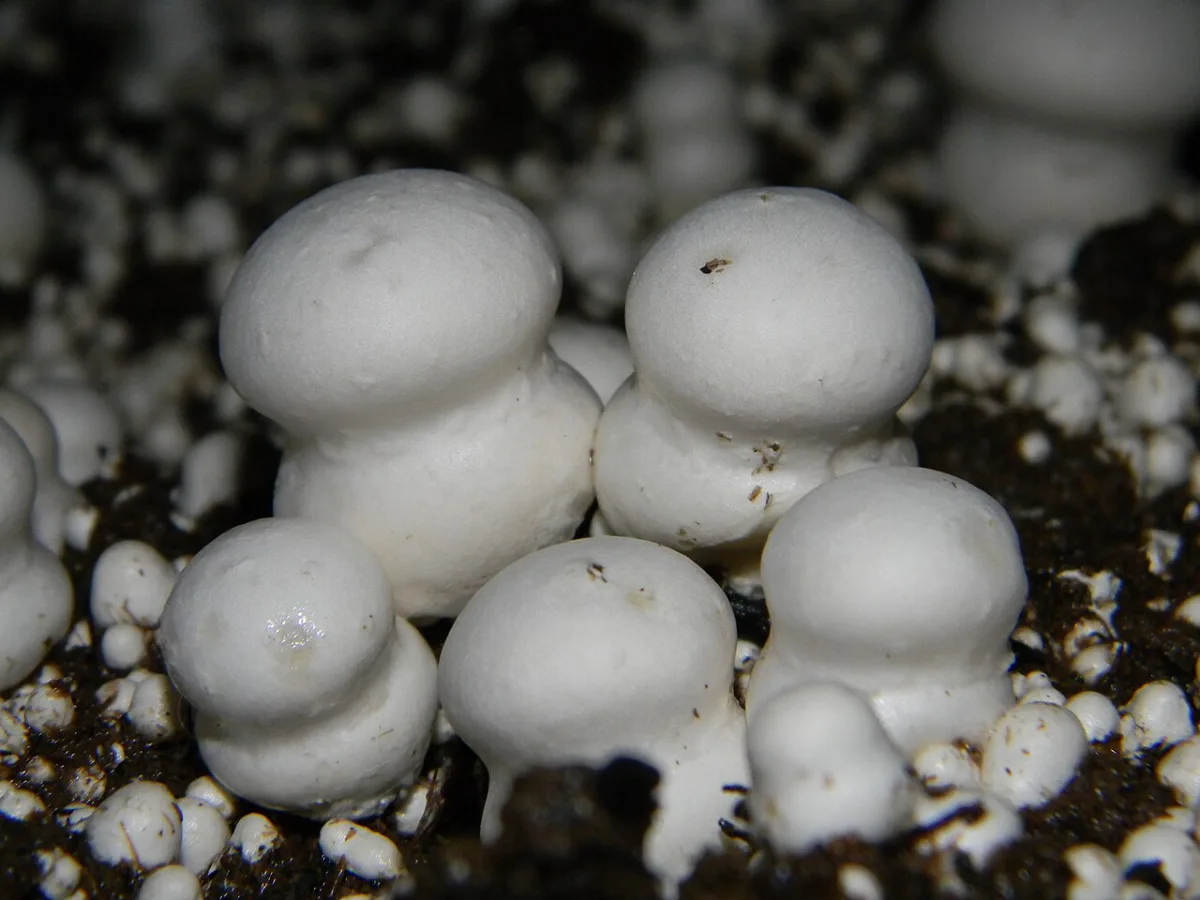
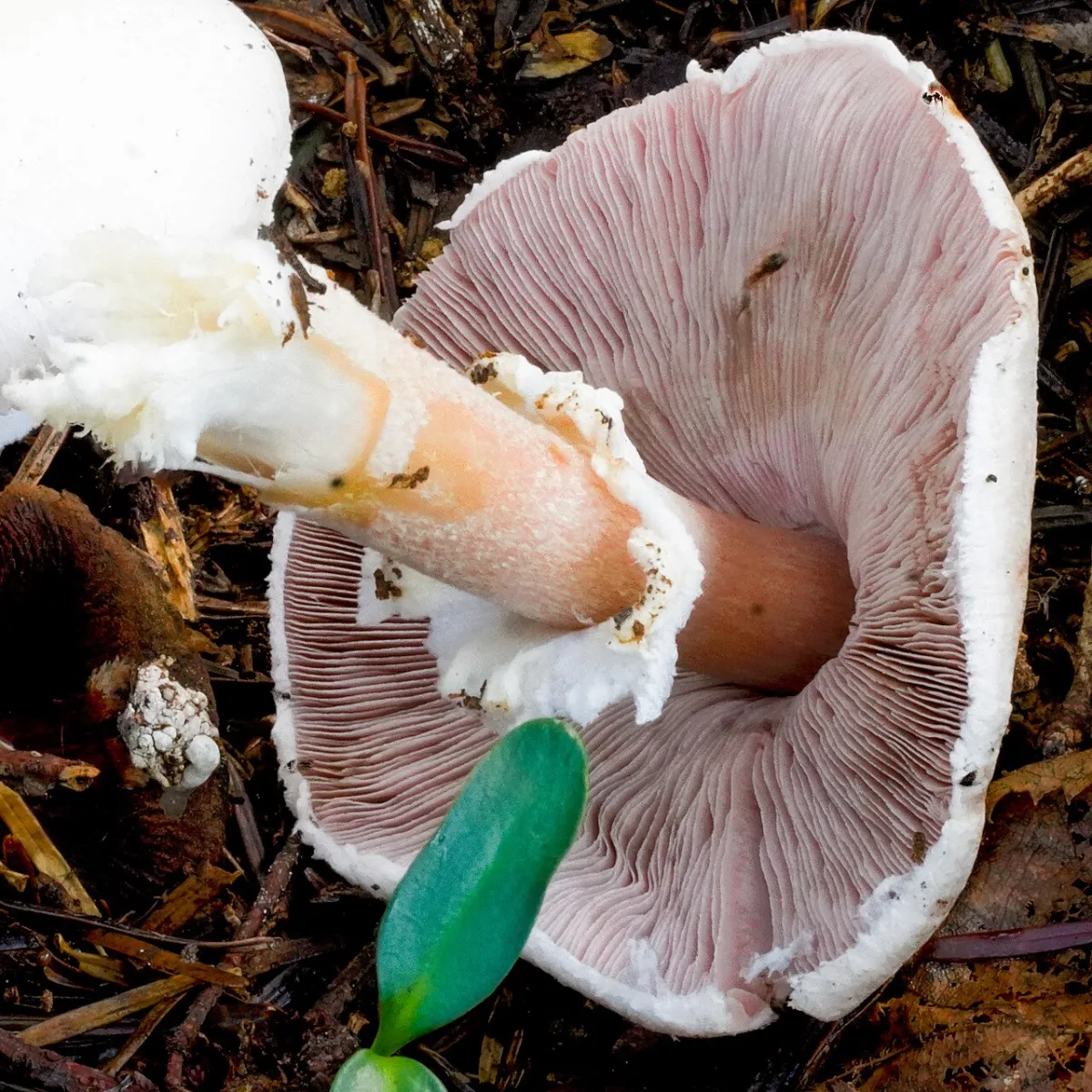
The button mushroom (Agaricus bisporus) is one of the most in-demand crops in industrial mushroom cultivation and protected soil. Successful cultivation of this saprophyte requires a deep understanding of mycelium nutrition physiology, strict requirements for the chemical composition of the substrate, and the maintenance of specific microclimate parameters. For the professional agronomist and the amateur practitioner, the key factor in production profitability becomes not only adherence to growing season technologies but also a systematic approach to protecting the harvest from pathogens and physiological deformations.
This collection gathers materials covering the full life cycle of the button mushroom: from compost preparation and fruit body development stages to strategies for combating mycoparasitism, mummy disease, and viral diseases. Readers will find practical recommendations on infection diagnosis, prevention of epiphytotics, and methods for preventing mushroom deformations that reduce their market value. The articles also address issues of optimizing greenhouse areas and integrating mushroom production into modern agrocenoses, providing a toolkit for effective quality management in protected soil conditions.