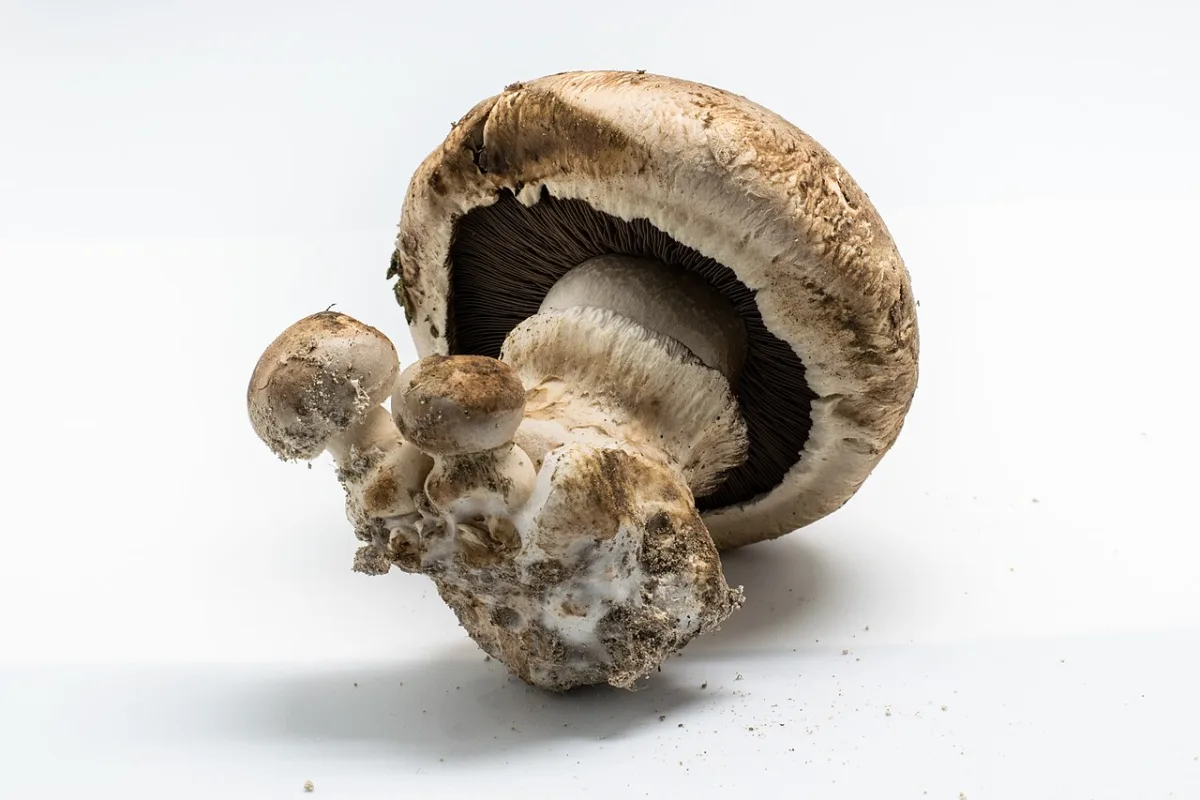
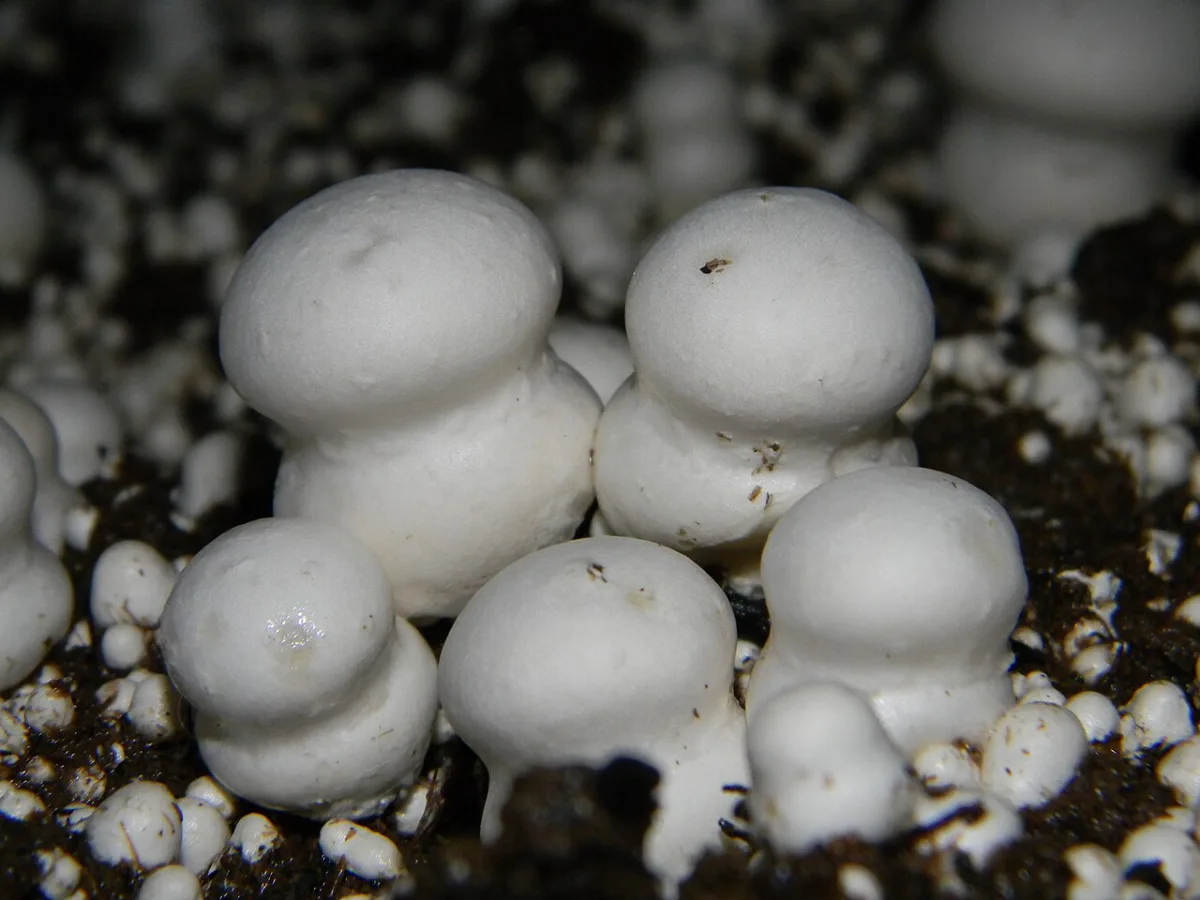
Growing mushrooms is a promising endeavor that requires a deep understanding of the fungus's biological characteristics and strict control over the greenhouse microclimate. The button mushroom (Agaricus bisporus) is the most sought-after crop for artificial cultivation; however, production success directly depends on compliance with agrotechnical regulations, substrate preparation, and the provision of conditions conducive to stable fruiting. For agronomists and private farm owners, mastering these technologies allows not only for the establishment of an efficient cultivation cycle but also for ensuring that the produce meets quality standards.
The presented selection of materials details key aspects of mushroom farming: from the fundamental biology of the button mushroom to practical methods of climate management in greenhouses. You will learn about the specifics of structuring the technological process, requirements for the storage of finished products, and methods for assessing production economic efficiency. Furthermore, the materials cover basic principles of organizing mushroom farms, as well as agrotechnical techniques that combine mushroom cultivation with the growing of other vegetable crops, such as sorrel, which helps optimize the use of protected ground.