
Methods of viral infection spread and plant health improvement techniques
18 min read
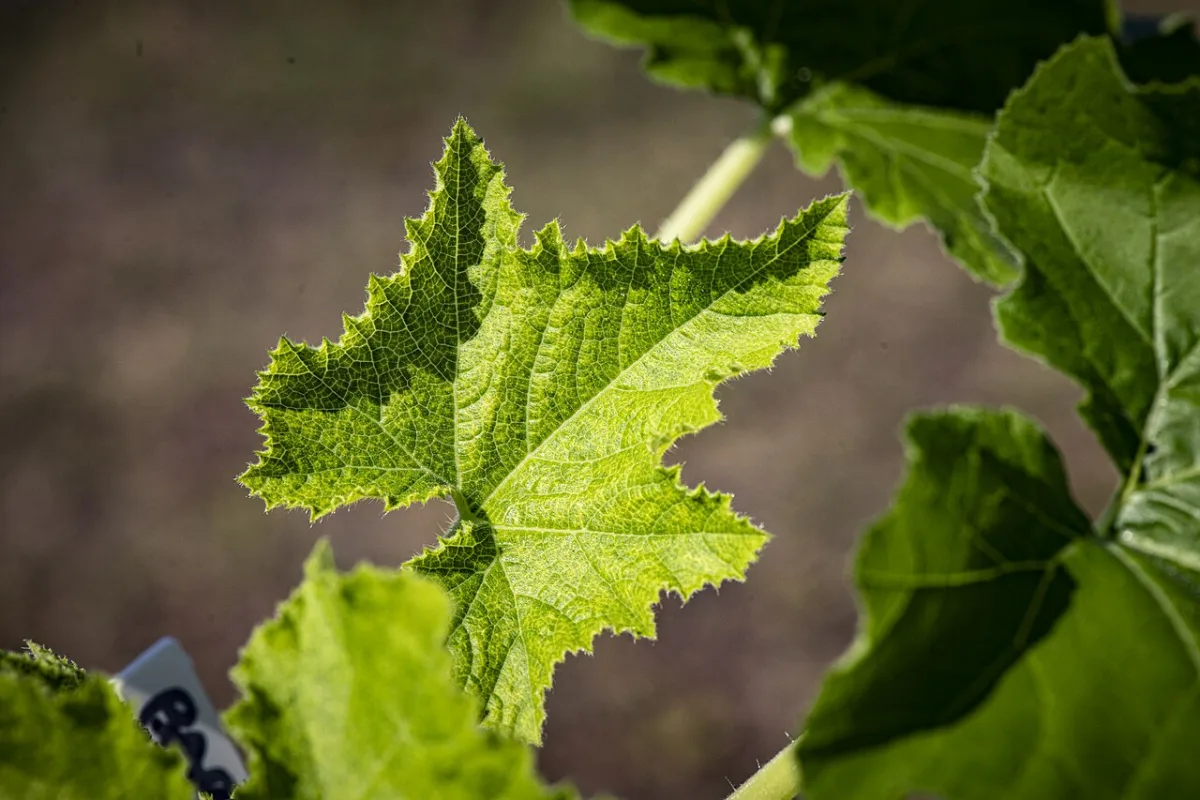
conversely, certain viruses are transmitted by many different species of aphids.
Only a small number of viruses have specific vectors. The cucumber mosaic virus is distinguished by having the largest number of host plants and aphid vectors. In addition, leafhoppers, thrips, certain beetles, and mites act as virus vectors.
Other organisms can also be virophorous. The arabis mosaic virus and strawberry ringspot virus, which affect roses, are transmitted by soil-dwelling nematodes. The fungus Olpidium brassicae serves as a vector for the pathogen of big vein disease in lettuce, which is classified among viruses, while the related fungus O. cucurbitacearum is a vector for the cucumber necrosis virus. Finally, the pathogen of potato and tomato powdery scab, Spongospora subterranea, can transmit the potato mop-top virus.
One of the simplest ways for a viral infection to spread is through the vegetative propagation of plants. Until recently, many vegetatively propagated greenhouse crops were affected by viral diseases, and sometimes by entire complexes of viroses. The technique of thermotherapy and apical meristem culture has made it possible to sanitize chrysanthemum and carnation clones from many viruses, and currently, plantations of mother plants free from all known viral diseases are being grown. Fortunately, viruses very rarely affect the meristematic tissue of plants, so the apical meristem of chrysanthemum and carnation is in most cases uninfected, even if the rest of the plant is affected by a viral disease. The frequency of the appearance of such healthy meristems increases sharply if the plants are kept at a temperature of 37 °C for three weeks prior to their excision. The combination of heat treatment and meristem culture makes it possible to obtain a large quantity of sanitized starting material, and with careful cultivation, the explants can give rise to mother plants for further propagation. At the same time, it is necessary to monitor the condition of the resulting plants and rogue out those that have remained affected, especially to prevent the spread of heat-resistant virus strains.
The seed of many plant species affected by a virus is not infected, and healthy seed material can be obtained from diseased plants of certain crops. This applies, in particular, to the cucumber mosaic virus, but not to the lettuce mosaic virus, which can be found under the seed coat in a very insignificant portion of the seeds of diseased plants.
Viral diseases require further study. It has recently been discovered that the symptoms of certain viral diseases are fully manifested only if the plant is affected by viral particles in a certain combination, and the particles are usually identical (with rare exceptions) morphologically, but contain different types of RNA. Some viruses transmitted by aphids can be transferred to a plant only in the presence of another virus, the so-called helper virus. The exact mechanism of action of this helper has not yet been fully studied. Mycoplasmas It is only relatively recently that mycoplasmas have been identified as phytopathogens, although it has long been known that they cause various diseases in animals. In many respects, mycoplasmas resemble bacteria, in particular, in the absence of a nucleus. They have a three-layered, soft outer membrane, but lack cell walls. Therefore, mycoplasmas are highly pleomorphic, their shape changing from short rods to filaments. Some mycoplasmas have been successfully cultured on an artificial nutrient medium. They are larger than viral particles and approach bacteria both in size and, to some extent, in structure. Mycoplasmas can be transmitted mechanically, but are mainly spread by leafhoppers. Their relationship with leafhopper vectors is of a persistent nature. Many diseases caused by mycoplasmas were previously considered viral. Typical symptoms for them include yellowing of the leaves (yellows), the formation of a large number of shortened shoots (witches' brooms), and the development of leaf-like structures instead of petals (phyllody or green petals). Fig. 1.11. The pathogen of clover phyllody and green petals in certain floral crops, including chrysanthemum: 1 — mycoplasmas; 2 — cell wall.
Insects, mites, nematodes, woodlice, and warm-blooded animals that feed on plants are usually called pests. These pests are not discussed in this book; however, it must be taken into account that they cause significant damage to greenhouse crops, and sometimes cause damage that externally resembles the symptoms of certain diseases.
Aphids, whiteflies, and mites are considered the most dangerous pests for a large number of greenhouse crops. Furthermore, they serve as vectors for certain viruses. Beetles and larvae, by feeding on or mining leaves, stems, roots, and sometimes flowers, damage the plants. The larvae of certain soil-dwelling insects, such as click beetles (wireworms), or cutworm caterpillars, as well as adult springtails and symphylids, can also pose a problem, especially in newly established greenhouses or in operations where soil disinfection is carried out irregularly.
Signs of damage are quite easy to identify, because
Ро ЧИ ИЖ + тра в че - г * з ь > я ь % 5 ДА, = №. з АЯ’ г-ь 4 во 5 = х и а = ьз У асс № й < +
Other pests damage leaves by mining them. If symptoms of damage are very pronounced, it means that their causative agents are present in large numbers, and identifying them is not difficult at all.
Nematodes have long posed a serious danger in greenhouse cultivation, especially the potato cyst nematode, which parasitizes tomato roots, and the root-knot nematode, which causes typical galls on tomato and cucumber roots. Nematodes are small roundworms 0.2—2 mm long, either saprophytes or parasites.
Many soils are infested with a large number of saprophytic nematodes, often also called free-living. Certain types of nematodes can be found in the root zone of plants.
Parasitic nematodes feed on plant roots, causing symptoms such as rotting (potato cyst nematode) and severe growths (root-knot nematode).
Ая _ | *. р Ре “ 79 р | +!
Fig. 1.16. Signs of boron deficiency in carnation plants: 1 — stunting of the apical bud of the main stem; 2 — development of lateral shoots. developing young plant organs, especially pronounced in tomato and hydrangea.
Influence of mineral nutrition on crop development
Micronutrient deficiency is a rare phenomenon, usually leading to the development of chlorosis and necrosis, accompanied by weakened crop growth. Nutrient deficiency manifests itself specifically:
- Boron deficiency in carnations manifests as the suppression of shoot tip development and the formation of numerous lateral buds.
- Calcium deficiency in tomato cultivation is considered one of the main causes of blossom-end rot of fruits.
Nutrient toxicity is also associated with certain symptoms. When growing transplants, an excess of soluble salts in compost often leads to their very high concentration in soil moisture, and the plant loses the ability to absorb enough water from the soil for normal growth. Such plants show signs of wilting, but death rarely occurs.
A similar effect from a high concentration of soluble salts in the soil is noticeable at any stage of plant development and is characterized by a darkening of leaf color, a weakening of growth intensity, followed by general stunting and temporary wilting.
Some soils are characterized by a naturally high manganese content, which may become more available to plants after steaming the soil. Typical signs of manganese toxicity appear on tomato and cucumber plants. Furthermore, as a result of treatment with steam or methyl bromide, nitrate and ammonium ions accumulate in many soils in toxic concentrations, which suppress root growth and, in extreme cases, cause them to die.
Temperature regime and physiological plant damage
The temperature regime in a greenhouse depends not only on the growth rate of the crop, but also on the relative humidity (RH) , as well as — directly or indirectly, in accordance with the degree of influence on plant growth — the amount of available soil moisture. Frosts or very high temperatures in extreme cases lead to plant death, but with short-term exposure to such temperatures, various symptoms of injury appear.
Fig. 1.17. Light brown corking (a) on the surface of a cucumber when damaged by low temperatures.
Fig. 1.18. Sunscald on tomato fruits (discoloration of the affected area) caused by high temperatures.
2 order № 484 33
Many greenhouse crops are not only unable to withstand low temperatures for long periods, but even short-term exposure to temperatures below the optimum for growth, although above the freezing point, can cause damage. For example, if a cooled coin is placed on a saintpaulia leaf, yellow and chlorotic rings will appear on it after a few hours.
Similarly, if a stream of cold air hits cucumber plants through a broken glass panel in a greenhouse, partial corking of the fruits develops. On lettuce leaves, at temperatures close to the freezing point, the lower layers of the epidermis begin to peel off, as a result of which the leaves become silvery and often wrinkled.
The effect of temperature regime on crop development
High temperatures cause symptoms of burn on leaves, flowers, and fruits. Sunscald is typical for tomatoes, appearing if fruits ripen under very high temperatures. Temperature fluctuations are accompanied by uneven growth in carnations, resulting in the splitting of flower calyces — a very common physiological disease of this crop.
Periods of low temperatures lead to an increase in relative humidity of the air. (The amount of moisture in the air correlates positively with its temperature; relative humidity is the degree of air saturation with moisture at a given temperature, but not an indicator of moisture content.)
Plants lose water in the following ways:
- Transpiration through the stomata of leaves and stems.
- Guttation through the edges of leaf blades.
At high relative humidity, water losses decrease because transpiration activity depends on the relative humidity gradient in leaf tissues and the atmosphere, especially if weakened transpiration is accompanied by active water uptake by roots. Excess Fig. 1.19. Guttation (a) along the 24 edges of a cucumber leaf blade.
Disturbance of water balance and the effect of air composition
An excess of water in lettuce leaves, especially along the edges of leaf blades, has a typical symptom — so-called glassiness. The same accumulation of water occurs in the leaves of many other greenhouse crops, often causing edema. If relative humidity is low, the plant actively loses water; during dehydration, leaves begin to dry out, affected cells die, and necroses appear. This process can be observed in lettuce crops (browning, or tip burn of leaves).
Certain symptoms are also characteristic of insufficient soil moisture, under which plants wilt, starting from the young leaves. Sometimes a temporary lack of water leads to flower drop in greenhouse crops and, at least partially, causes the symptoms of blossom-end rot in tomato and pepper fruits. Temporary excessive soil moisture causes wilting symptoms, and during long periods of poor soil aeration, the root system rots and the plant dies. Waterlogged roots often turn black, and their outer tissues detach easily.
The most common source of air pollution in a greenhouse is the boiler room, as vapors containing sulfur dioxide can be very harmful. Even in low concentrations, sulfur dioxide, which dissolves very well in water, damages flowers, hinders fruit set, and under extreme conditions causes spotting of leaves.
Other air pollutants are rarely dangerous to greenhouse crops. They may include:
- By-products released with CO₂, sources of which are widely used in many farms to increase crop yield.
- Chemicals used or stored in greenhouses.
- Nitrogen dioxide, ethylene, ozone (cause necrosis on leaves, and ethylene causes growth disturbances).
Weather conditions that alter normal gas exchange in the greenhouse (in general, there should be at least three full changes of air in the greenhouse per hour) increase the possibility of plant damage. Apparently, the most dangerous are inversions on frosty nights and fog.
Damage by wind, hail, machinery, and operators occurs in greenhouses quite rarely, although in any case, certain symptoms appear. Damage is usually determined by a physical effect, for example, by leaf tears, burns, or scratches on plants. Thus, even a slight draft is enough for fully opened chrysanthemum flowers to suffer. On mushroom caps, peeling begins during strong air movement in the greenhouse. 2* 35 Phytotoxic chemicals Many pesticides are used in greenhouses, and plants differ sharply in their sensitivity to individual preparations. For example, if one cultivar can be safely sprayed with a certain pesticide, another cultivar reacts to the same preparation with pronounced signs of phytotoxicity. Fungicide dinocap causes mosaic on chrysanthemums, and DDT treatment of cucumbers is accompanied by severe chlorosis. Most often, the harmfulness of pesticides is associated with their application in excessively high doses or with an incorrect choice of treatment timing when the plant is in a susceptible phase. Symptoms of chemical damage are diverse — from the death of the growing point to chlorosis, necrosis, and leaf deformation. Perhaps the most harmful to plants are herbicides. Damage occurs when using carelessly washed sprayers or as a result of drift of preparations entering greenhouses through ventilation structures or entrances. Sometimes herbicides can damage greenhouse plants even after the treatment of field crops, since residues of the preparations enter greenhouses through drainage systems. Herbicides classified as growth regulators, for example, 2,4-D, 2,4,5-T, TBA (trichlorobenzoic acid), and MCPA, cause severe wilting (epinasty) within 24 hours after their application, g. r: 7 \ x. m re re U 274 $ K, u r: - r - in g $ and y 2 d < \ RI in \ yyy re | U t U ch % _ *- o, r x ®, ZA and $ k 77 } and He ny No $ a 5 Fig. 1.20. Deformation of tomato leaves caused by treatment with 2, 3, 6-TBA: a — helmet-shaped leaves; b — parallel arrangement of veins and hook-shaped sharpening of leaf tips.
Fig. 1.21. Changes in tomato leaf shape after treatment with picloram (left) and 2,3,6-TBA (right). Sublethal doses can lead to significant leaf deformities, where the veins of dicotyledonous plants become parallel to each other, and the interveinal tissue shrivels and reduces in size. Leaf blades often curl, becoming helmet-shaped. Over time, the plant recovers and the symptoms fade, but even with mild damage, the leaves are altered, which is especially noticeable at the tips of the blades, which acquire a hook-like shape. Tomato fruits after exposure to herbicides are usually elongated, plum-shaped, and seedless. Fig. 1.22. Deformation of tomato fruits under the influence of sublethal doses of MCPA.
Fig. 1.23. Formation of sporogenous tissue on the cap of a mushroom due to contamination of the substrate with mineral oil. Lettuce, tomato, cucumber, and pepper are the crops most sensitive to herbicides, in contrast to carnation or chrysanthemum. One of the most phytotoxic herbicides is sodium chlorate, which is used to destroy vegetation around greenhouses and along roadsides. Only very few plants survive after blanket treatment with this herbicide. Sometimes sodium chlorate is brought into the greenhouse with soil, water, pots, and crates. Typical damage symptoms include interveinal chlorosis, especially noticeable on young leaves, which quickly develops into necrosis, leading to the death of the plant. Paraquat and some herbicides from the aminotriazine group also cause damage with characteristic symptoms. Paraquat spray droplets leave rounded brown spots on the leaves, and if the herbicide is absorbed by the plant through the roots, brown streaking develops on the stems. Soil contamination with aminotriazines is accompanied by the formation of bleached (chlorophyll-free) new leaves on plants. Young chrysanthemum plants damaged by these herbicides lose their green color. An unusual sign of chemical contamination, especially by mineral oils and phenols, appears on mushrooms: during the development of fruit bodies, sporogenous tissue forms on the top of the caps. This symptom is called "rose comb" or "cock's comb." Genetic abnormalities Symptoms of genetic anomalies are often confused with signs of viral disease infection. For instance, silvering of leaves often appears on tomatoes. When growing transplants, small silvery spots of a usually angular shape may appear on the leaves, especially if the transplants were kept at low temperatures. After planting, such plants develop normally. If transplants are planted very early, the silvering can cover the entire top of the plant; leaves become silvery-gray and twisted, and fruit set does not occur. Such a disorder is genetically determined and, appearing on adult plants, can lead to significant harvest losses.
Mutants (random genetic changes) are often found in carnation and chrysanthemum, where part, and sometimes even half, of the flowers differ from the rest in color. Angular yellow or mosaic spots appear on the leaves of some plants; while such changes are considered undesirable for lettuce, in potted crops, such as ivy, they are commercially justified.
Streaking of stems and leaves, which usually leads to wilting and death of the plant, has been discovered in some tomato cultivars, in particular on Sutton's Cross. This disease, called autogenous necrosis, is the result of genetic disorders.
Read next
Plant protection For agronomists
Lettuce mosaic virus: symptoms of the disease and methods of plant protection
Plant protection For agronomists
Diagnosis and prevention of rare viral diseases in greenhouse lettuce
Plant protection For agronomists