Fertiliser · 40 articles

Calcium

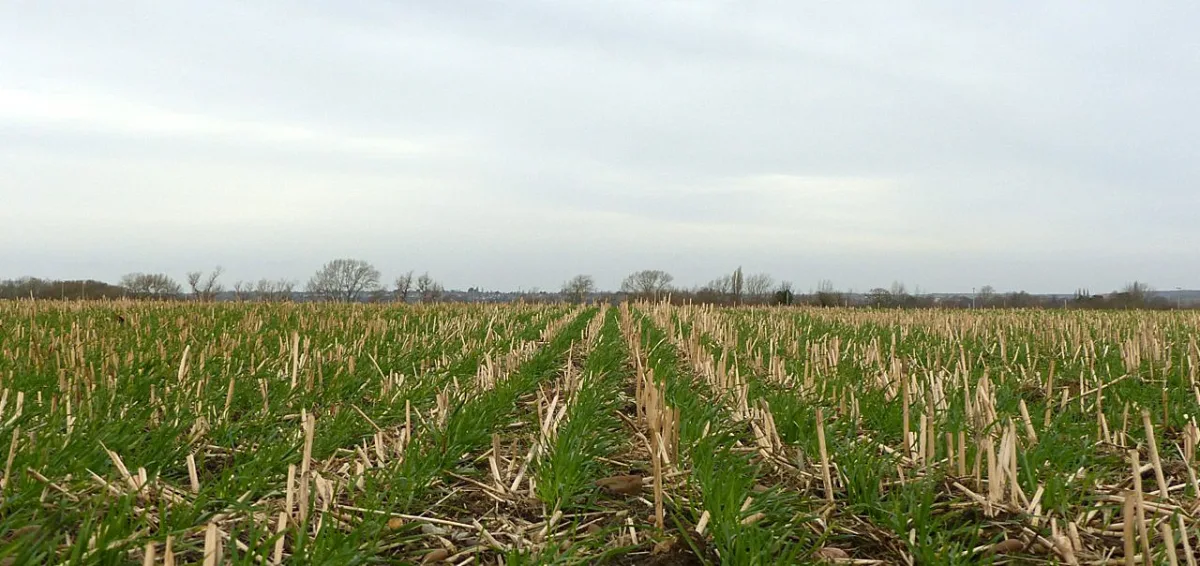
Calcium occupies a central place in the mineral nutrition system of crops, exerting a direct influence on their development and yield. For agronomists and crop practitioners, it is not only the presence of the element in the soil that is of key importance, but also an understanding of the physicochemical processes that determine its availability to the root system. The effectiveness of calcium fertilizer is closely linked to the acidity level of the soil cover, as well as to methods of their proper application, which ensure an optimal balance of nutrients.

This collection gathers materials that help identify signs of calcium and magnesium deficiency, which is critically important for preventing the stunting of plant growth. Readers will find information on the specifics of using nitrogen-calcium fertilizers, such as calcium cyanamide, as well as on methods for diagnosing soils and substrates. The articles cover a wide range of issues: from the regulation of mineral nutrition in potatoes and vegetable crops to practical recommendations for the application of fertilizers depending on the biological characteristics of the cultivated plants and the specific soil properties.

Poultry For agronomists

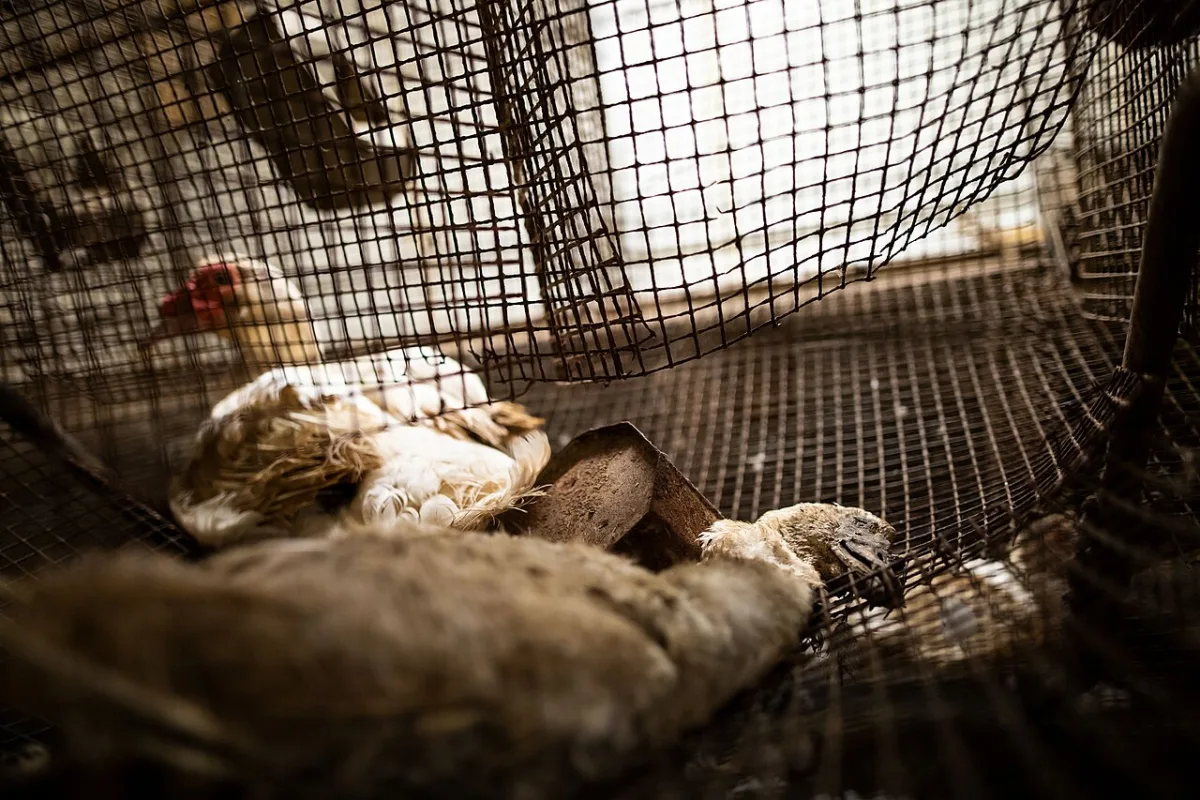
Organization of poultry feeding in industrial and farm holdings

The article examines the forms of complete compound feed and the specifics of their application for different age groups of poultry. Special attention is paid to the organization of feeding for replacement young stock and the features of using wet mixtures in small farm holdings

Livestock For students

Methodology for formulating and optimizing feeding rations for swine

The article examines modern requirements for the feeding of livestock animals, aimed at increasing productivity and reducing production costs. The main focus is on calculating the energy requirements of animals, taking into account physiological characteristics, housing conditions, and the composition of feed

Agrochemistry For students

The role and chemical composition of the liquid phase of the soil solution

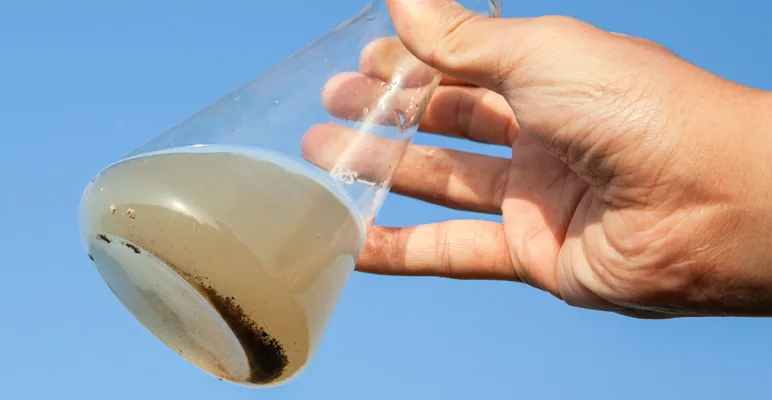
The liquid phase of the soil, which scientists call the blood of the earth, is a key source of water and nutrients for plants. The article reveals the chemical composition of the soil solution and the mechanisms of interaction between mineral and organic substances in the processes of soil formation

Plant protection For agronomists

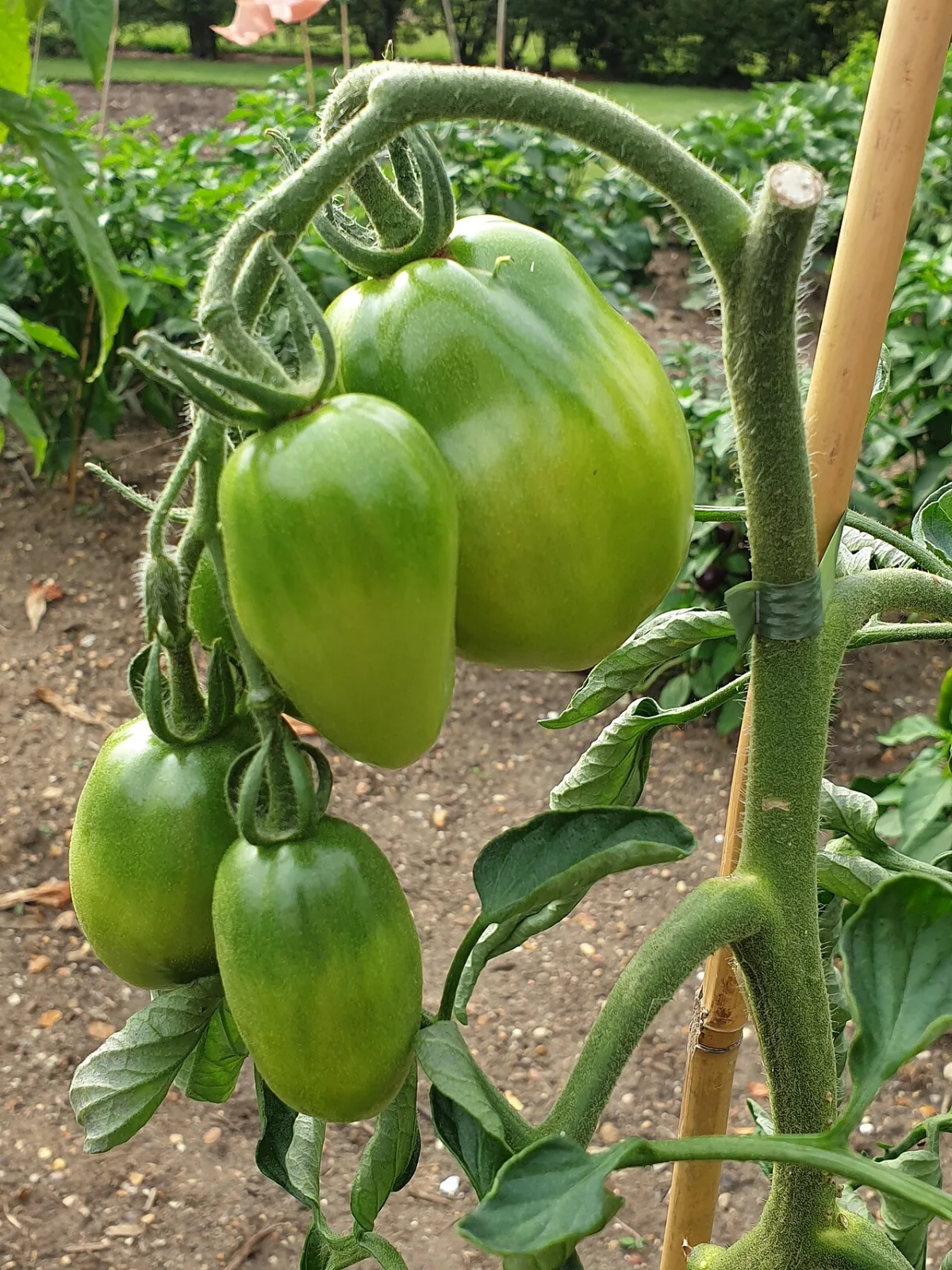
Diagnosis of nutrient deficiency and toxicity in tomatoes

The article presents a method for visual diagnosis of tomato conditions based on characteristic changes in the leaves. The material helps distinguish between nutrient deficiencies, substance toxicity, and signs of pathogenic diseases