
Clubroot of brassica crops: symptoms, biology of development, and harmfulness
18 min read
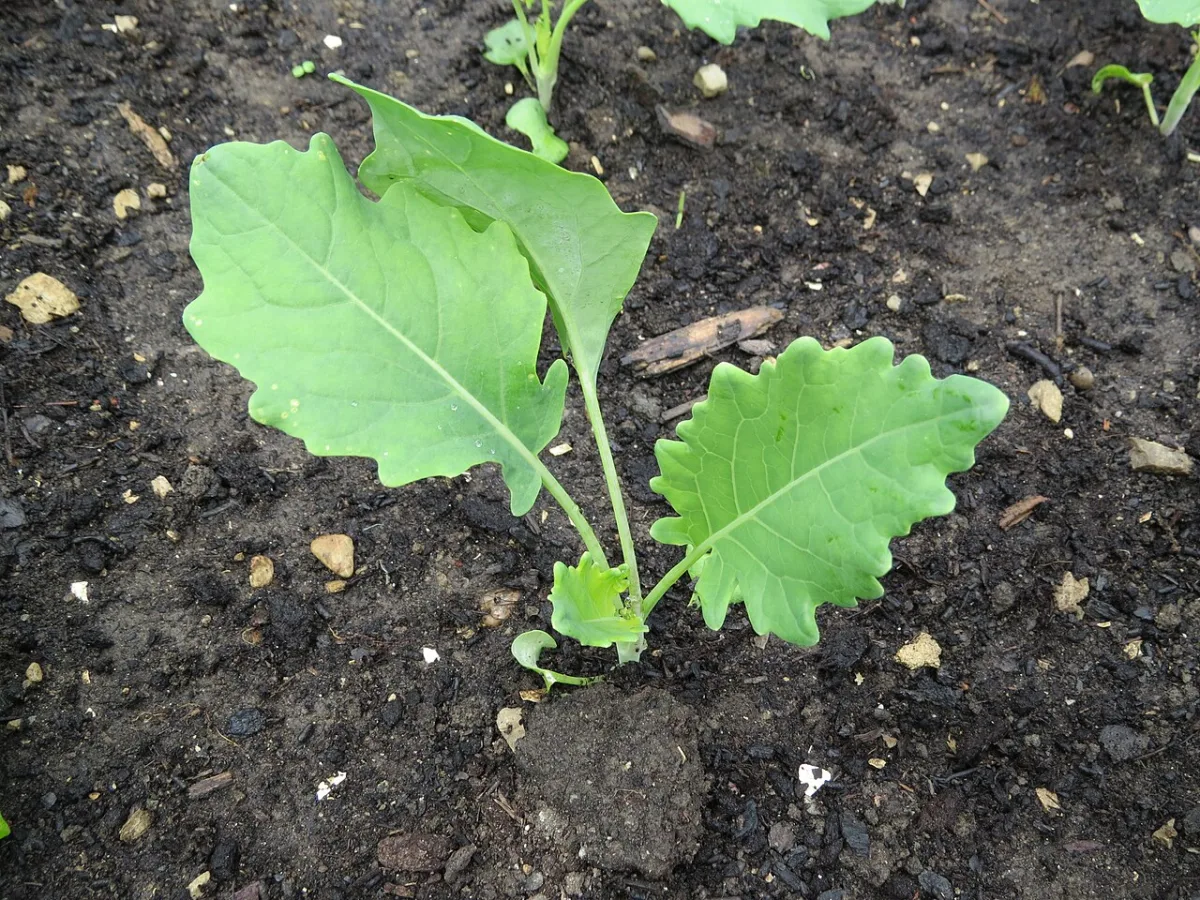
Clubroot of cruciferous crops: biology and control measures
Clubroot is one of the most dangerous and widespread diseases of cruciferous crops. The disease manifests itself in the formation of unsightly swellings (galls) on the roots of plants. Due to these outgrowths, the uptake of water and nutrients to the aerial part is disrupted, which sharply reduces the yield. In case of early and severe infection of seedlings, heads do not form at all, and in mature plants, they remain small and underdeveloped.
At the initial stage, the outgrowths have the same color as healthy roots, but later they begin to rot and decompose. At this moment, a colossal mass of resting spores of the parasite is released from the galls into the soil. The leaves of diseased plants wilt and turn yellow, and growth itself is severely suppressed. Inside the cells of infected roots at early stages, plasmodia of the slime mold are detected, and at late stages, the cells are completely filled with spores.
| Environmental factor | Optimal range for clubroot development |
|---|---|
| Soil temperature | 18–24 °C |
| Soil moisture | 75–90% |
| Soil acidity (pH) | 5,6–6,5 |
When the soil temperature drops to 15 °C and humidity to 50%, or when humidity increases to 98%, disease development ceases. The spread of infection in the field is facilitated by earthworms, soil insects, and water currents. It is also possible for the pathogen to be introduced with the manure of livestock animals that have been fed infected turnips.
In addition to cultivated cabbage, clubroot also affects other cruciferous plants. The disease is successfully reserved on the following crops and weeds:
- radish, turnip, garden radish, and leaf mustard;
- shepherd's purse, winter cress, field pennycress, wild radish, field mustard.
To control clubroot, an agronomist must combine breeding, agrotechnical, and chemical methods. First of all, one should choose resistant hybrids of Napa cabbage (Nika and Kudesnitsa) or hardy cultivars of white cabbage (Losinoostrovskaya, Moskovskaya pozdnyaya, Taininskaya). Infected peat (P. brassicae) in nurseries is detected by sowing an indicator cultivar of Napa cabbage, Granat. If an infection is detected, the soil is replaced or disinfected by steaming, Dazomet granules, or methyl bromide. Before planting in the field, the roots of the transplants are treated with a suspension of Thiovit, Kumulus, or colloidal sulfur preparations.
The clubroot pathogen is easily introduced to the field along with transplants, as externally affected plants may not differ from healthy ones. The disease can be detected at an early stage only by a thorough inspection of the root system.
Damping-off of cabbage seedlings
Damping-off represents a serious threat to cabbage at the seedling stage. The disease is caused by fungi of the genera Olpidium (O. brassicae), Pythium (P. debaryanum), and Rhizoctonia (R. solani). The pathogens exhibit the greatest harmfulness in damp weather, on waterlogged soil, and in dense sowing. In unfavorable years, a large part of the prepared seedlings may die due to damping-off.
Symptoms of the disease manifest as the darkening of the root collar of the seedling stem. Fungi of the genera Olpidium and Pythium infect seedlings from seed germination to the phase of 2–3 true leaves, causing the stem to turn brown, rot, and the plant to die. The fungus Rhizoctonia infects more mature transplants: the stem darkens and dries out, the plant survives, but it develops poorly and takes longer to establish after planting.
Damping-off pathogens persist in the soil in the form of cysts (Olpidium), oospores (Pythium), or sclerotia (Rhizoctonia). The infection accumulates rapidly in the soil under continuous cultivation of cabbage seedlings in hotbeds and greenhouses.
To protect cabbage seedlings from damping-off, the main attention is paid to preventive measures. An agronomist needs to strictly control microclimate parameters and carry out pre-sowing preparation. All protective and curative practices are carried out in a specific sequence.
- Adjust the irrigation regime of the seedlings, completely excluding waterlogging of the soil.
- Perform liming of the soil in the nursery, as the disease pathogens actively develop in an acidic environment.
- Perform seed treatment before sowing with TMTD (5–6 g/kg) or Planriz (20 ml/kg).
- In case of pathogen accumulation in the soil, replace the soil or disinfect it by steaming or by applying Dazomet granules.
- Carry out preventive soil irrigation with sulfur preparations (Thiovit, Kumulus, or colloidal sulfur).
- Upon detection of the first centers of the disease, additionally irrigate the seedlings with preparations based on metalaxyl or oxadixyl.
- Viability of clubroot spores in the soil — 6 years or more
- Application rate of Basamid-granulate for soil disinfection — 50 g/m²
- Application rate of TMTD for seed treatment — 5–6 g/kg
- Application rate of Planriz for seed treatment — 20 ml/kg
Downy mildew, Fusarium wilt, and Alternaria leaf spot of brassica crops
Downy mildew (causative agent — Peronospora parasitica (Pers.) Fr.) is most dangerous for cabbage seedlings and seed plants. Humid weather provokes the rapid spread of the disease: irregular yellow or brown spots appear on the upper side of the leaves, while a light-gray coating of conidial sporulation forms on the lower side. Affected leaves turn yellow and die off prematurely, and in case of severe infection, the pathogen penetrates the vascular system. Dark spots appear inside the stump and on the seed pods, and the cross-section reveals darkening of the vessels containing mycelium and oospores.
Fusarium wilt (causative agent — Fusarium oxysporum f. conglutinans (Wr.) n. et Hanst.) affects only plants of the Brassicaceae family. The harmfulness of the disease increases in hot, dry years, especially in the first half of the growing season, when the fungus penetrates the vascular system. The disease begins with the yellowing of the lower leaves between the veins, then spreads up the plant and leads to its death. A brown or light-brown coloration of the vessels is visible on the cross-section of the petiole or stump. The source of infection is the pathogen's chlamydospores, which remain viable in the soil for several years.
Alternaria leaf spot of cabbage is transmitted by seeds, as well as by conidia through the air and water from post-harvest residues and weeds. The pathogen forms short, bent, or knotted multicellular conidiophores. The conidia of the pathogen are dark, obclavate, multicellular, 90–140 × 12–20 μm in size. Dark multicellular spores 20–80 × 2–20 μm in size are connected in chains and have transverse and longitudinal septa.
The development of Alternaria leaf spot is activated when droplet moisture remains on the plant surface for at least 5 hours at an air temperature of 20 to 27 °C.
- Viability of downy mildew oospores in residues — up to 6 years
- Temperature for downy mildew mycelium development — above 15 °C
- Threshold temperature for downy mildew conidia formation — 25 °C
To protect brassica crops from downy mildew and Alternaria leaf spot, a complex of pre-sowing and agrotechnical measures is used. Seeds are treated or subjected to hydrothermal treatment before sowing. During the growing season, it is important to observe crop rotation, carefully incorporate plant residues, and carry out post-harvest drying of seeds.
| Seed treatment type | Preparation / Treatment method | Application rate / Regime |
|---|---|---|
| Chemical | TMTD | 5–6 g/kg |
| Biological | Planriz | 20 ml/kg |
| Hydrothermal | Hot water (50 °C) followed by rapid cooling (2–3 min) | 20 min |
At the first signs of downy mildew on seedlings, treat the plantings with Oxyhom (0.4–0.5%) or Ridomil Gold MZ (2.5 kg/ha). Against Alternaria leaf spot, growing plants are sprayed with sulfur-based preparations: Thiovit or Kumulus.
Phoma rot and gray mold of cabbage
Phoma rot (causative agent — Phoma lingam Desm.) affects cabbage in greenhouses, as well as radish, turnip, rutabaga, and turnip in the open field. On cotyledons, leaves, roots, and seeds, the disease manifests as "black leg," which causes seedlings to lag in growth and wither. High humidity and warm weather contribute to the development of the infection. Plants damaged by the cabbage root fly and brassica bugs suffer the most. The pathogen persists on seed plants, in seeds in the form of mycelium, and on plant residues in the form of pycnidia.
Gray mold is the most common and harmful cabbage disease during the storage period. The disease affects heads, which become covered with a gray fluffy coating of fungal sporulation. With severe development of the disease, the leaves become slimy and rot, and later numerous hard black sclerotia form on the affected tissues. To prevent infection, it is necessary to carefully incorporate the residues of brassica crops and strictly follow crop rotation.
Pathogen biology. The fungus B. cinerea is classified as a facultative parasite, capable of infecting necrotic or physiologically weakened plant tissues. Infection usually occurs at the end of the growing season, especially in rainy weather or during heavy dews. Damage begins with the colonization of injured or frost-bitten leaf areas by the fungus. Gray mold promotes the development of soft rot (bacterial). The development of the disease is favored by high humidity and air temperature in the storage facility. Sources of infection are soil and plant residues. In addition to cabbage, this pathogen also affects tomato, cucumber, carrot, sunflower, strawberry, grape, and many other crops. The pathogen releases toxins that cause necrosis of surrounding tissues. Cultivars with rapid chlorophyll degradation during storage are more susceptible to gray mold. Reservoir plants: carrot, parsley, bean, and other crops. Protection measures. Maintenance of optimal conditions in the storage facility. Timely harvesting of heads and placing them into storage. Avoiding injury to heads. Retaining 2-3 protective leaves on heads during harvesting. Cleaning and disinfection of storage facilities before storing produce. Correct storage regime: for consumer cabbage — 0-1°. Cultivation of disease-resistant late hybrids of white cabbage: Amtrak, Airbus, Galaxy, Lezhky, Monarch. 2.5.3.8. White mold. Causative agent — Sclerotinia sclerotiorum (Lib.) de Bary, [syn. Sclerotinia sclerotiorum].
Harmfulness. The disease is dangerous at the end of the crop growing season and during the storage period. In greenhouses, it can occasionally damage transplants. Symptoms. On head cabbage, symptoms appear before harvesting in the form of rotting outer leaves. A white, cotton-like mycelium develops on the surface of the head and between the leaves. The fungus forms numerous black sclerotia ranging from 0.1 to 3 cm in size, which can be seen on the surface of the head. During storage, an infected head rots quickly, infecting neighboring ones. The disease is focal in nature. Physiologically overripe, frozen, and damaged heads are more susceptible to white rot.
Pathogen biology. Under open ground conditions, after physiological maturation, sclerotia germinate into funnel-shaped fruit bodies (apothecia). In winter greenhouses, where sclerotia do not mature due to the relatively high temperatures in winter, they germinate into mycelium. White rot develops well at low temperatures and high humidity. On artificial agar medium, Sclerotinia colonies are formed by white mycelium. Fig. 163. CABBAGE SCLEROTINIOSIS 20 ь 9: Ща. о В. ‚УЖ 2$ ‚. ух % 8. № 7 < р и’ ‚ -: у и’,. | ь_ 7.30 х,., г х \ ры 27; = ^ Ч Га + ^^ Г) \, = ч ‹ ' 7».`. Е 4 с о $; и ы ‹ 72.9 И Fig. 164. CULTURE OF Sclerotinia sclerotiorum ON AN AGAR MEDIUM. к. а х, Е ‚ оо The pathogen possesses a wide phylogenetic specialization. Sources of infection. Sclerotia of S. sclerotiorum in the field and in storage. Protection measures. Timely harvesting and placing into storage. Avoiding damage to the heads. When harvesting, retain 1-2 wrapper leaves on the heads. Cleaning and disinfection of storage facilities before placing products. Correct storage regime: for table cabbage — 0-1°. 2.5.3.9. Late blight Pathogen — Phytophthora porri Foister. Harmfulness. The disease was first identified in England in 1974 in cabbage storage facilities. In Germany, the disease was noted in 1984, and in Russia in 1996. Product losses during the storage period exceed 50%. Symptoms. The lower part of the petioles of the wrapper leaves turns brown; on a cross-section, it is noticeable that the lesion spreads from the stem into the leaves. Dead tissues turn dark gray, and mycelium is practically invisible in them. Delicate white mycelium can only be noticed in the space between the affected leaves. Pathogen biology. The optimal temperature for mycelium growth is between 20 and 25°. At 30°, mycelium growth slows down significantly. The mycelium also grows at 0°, which contributes to the infection of heads during storage under any conditions. It should be noted that rainy weather preceding the harvest, as well as during the cutting period, sharply increases the infection of heads with late blight. For example, in England in 1974, severe cabbage infection was detected during harvesting in a period of torrential rains. Fig. 165. EXTERNAL SIGNS OF LATE BLIGHT INFECTION ON CABBAGE. Я 7”. \ 9,.. =“ чи С: 4’ ва \— \ щ Ве ' Ра } И, ы,. ре Е #443 мт 2 =. — Fig. 166. SYMPTOMS OF LATE BLIGHT ON A CROSS-SECTION OF THE HEAD. я КОЧАНА 9 $ у < Зы Фъ — Зее 4 _ № 394 | 2 —- -
Infection occurs when contaminated soil enters the cut of the stalk during harvesting, as well as via cutting tools, both during harvesting and when trimming heads during the storage period. The loss of stored products from late blight increases after trimming heads, which is carried out in the middle of the storage period, due to re-infection (Seo-son, 1976). The pathogen survives in the soil in the form of oospores and chlamydospores.
carnation Dianthus caryophyllus L. (Cun, Cones, 1977; Kotsueas, 1977).
Chemical control measures for this disease are unknown. Information about resistant cultivars is unavailable. Therefore, to reduce the reserve of the infectious inoculum in the soil, crop rotation should be used. In this case, one should not rotate the cultivation of vegetable cabbage crops with bulbous crops.
Calcium deficiency in cabbage crops and protection of leafy greens in greenhouses
A physiological disorder caused by calcium deficiency in young tissues manifests as the dieback of leaf edges — they turn brown or black. Leaves around the growth cone are most sensitive to the lack of this element. In white cabbage, Chinese cabbage, and Brussels sprouts, the lesion cannot be noticed without cutting the head. With severe deficiency, plant growth stops, and the heads form loosely. Chinese cabbage suffers particularly severely, and resistance to the disease depends on the cultivar.
Symptoms of calcium deficiency in head-forming crops are hidden inside. Regularly make test cuts of Chinese cabbage, Brussels sprouts, and white cabbage heads to detect internal necrosis in time.
Leafy greens and culinary herbs are grown in greenhouses as a filler crop, at the beginning of a crop rotation, or in specialized salad production lines—in hydroponic systems and on low-volume substrates. Plant protection in these conditions is based primarily on prevention and proper agricultural practices.
The use of chemical plant protection products on lettuce and leafy greens is almost entirely prohibited. Fertilizers are also applied under strict limitations due to the leaves' ability to rapidly accumulate harmful compounds.
To prevent infections in salad production lines, the following mandatory preventive measures must be carried out:
- seed treatment prior to sowing;
- disinfection of recycled water;
- sanitization of equipment (trays, containers, shelving, and drippers).
Agrotechnical protection methods include soil steaming, switching to single-use substrates, mechanical removal of diseased plants, and strict control of temperature regimes.
Viral diseases and downy mildew of lettuce
Out of 14 registered lettuce viruses, the most common are lettuce mosaic and necrotic yellows.
Lettuce mosaic is caused by the Lettuce mosaic virus. The disease manifests as mottling, yellowing, deformation (curling) of leaves, and necrosis. Yellowing and mottling are clearly visible in spring, while necrosis appears in summer. A characteristic symptom is the clearing of veins on young and old leaves. Early infection through seed prevents the head from forming at all. The virus is spread by aphids and is transmitted via plant sap, seed, and pollen. Reservoirs of infection include beet, pea, aster, marigold, and weeds.
Necrotic yellows is caused by the Lettuce necrotic yellows virus. It manifests as mosaic mottling, yellowing, and spreading necrosis. This rhabdovirus is highly unstable in the external environment and is inactivated at room temperature. The vector is the aphid Hyperomyzus lactucae (Amphorophora), in whose body the virus multiplies systemically and persists even after the insect molts.
To combat viral diseases of lettuce and associated bacterioses, follow this sequence of protective measures:
- Collect seed material only from healthy mother plants and check the seed for mosaic virus using a biological method.
- Treat seed with the preparation Fitolavin-300 before sowing.
- Water plants exclusively at the base to avoid excessive leaf moisture.
- Do not allow crop overcrowding and promptly remove any plants showing symptoms of disease.
Downy mildew (peronosporosis) of lettuce is caused by the fungus Bremia lactucae. The disease is most dangerous in open fields and poly-tunnels, where it is difficult to regulate the microclimate. Yellow spots appear on the upper side of the leaves, and white sporulation appears on the underside. Over time, the spots become necrotic, and the leaf dries out. The infection persists in the soil and on plant residues in the form of oospores; it is not transmitted through seed. Disease development is favored by cool weather, high air humidity, overcrowding of crops, and the absence of crop rotation.
For protection against downy mildew, observe crop rotation and reduce air humidity in protected ground. Before sowing, seed should be treated with the preparation Planriz, which is also used for spraying transplants.
- Air humidity against bacterioses — no more than 80%
- Air humidity against downy mildew — no more than 70%
- Concentration of Planriz for spraying transplants — 0,2%
- Particle size of necrotic yellows virus — 70 x 230 nm
- Size of downy mildew conidia — 16–27 x 13–21 µm
Read next
Plant protection For agronomists
Pepper diseases in protected soil: control measures and prevention
Plant protection For agronomists
Diagnostics and biological characteristics of root rot pathogens in vegetable crops
Plant protection For agronomists