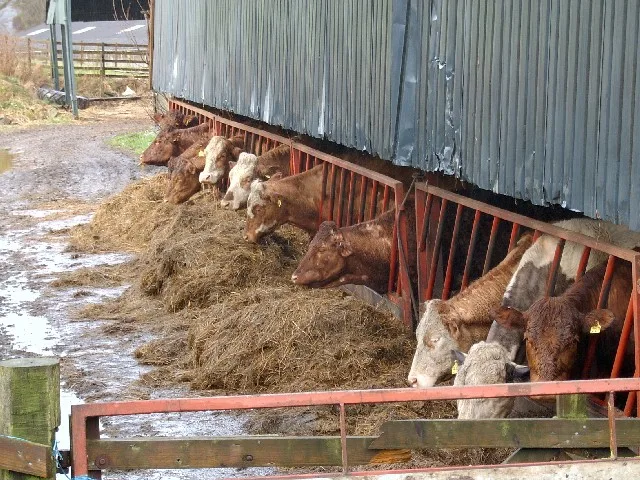
Prevention of infectious and parasitic diseases is the foundation of productive agriculture. For an agronomist, farmer, or owner of a private plot, understanding the biology of disease pathogens and the mechanisms of their spread is a necessary condition for maintaining livestock animals and ensuring the health of pond fish. Knowledge of the patterns of the epizootic process allows for the timely identification of risks and the implementation of effective protective measures, preventing mass mortality and economic losses on the farm.
This collection combines the basic theoretical knowledge necessary for organizing a competent veterinary control system. Readers will find systematized information on the classification of zoo-parasites and the fundamental principles of epizootiology, which reveal the mechanisms of infection circulation. In addition, the materials describe in detail the causes of the most dangerous fish diseases, the characteristic clinical symptoms of aeromonosis and saprolegniasis, as well as modern approaches to the treatment and containment of disease outbreaks in aquaculture conditions. This knowledge will help form a systematic approach to prevention and ensuring biological safety at agro-industrial facilities.