Concept · 21 articles

Toxic property

The toxic properties of plants represent a significant risk factor for both industrial crop production and private gardening. Many species possessing marked toxicity are frequently found in crop fields as weeds or as wild species in adjacent areas. Identification of such plants at early stages, especially during the flowering and seed formation periods, is a necessary condition for ensuring phytosanitary safety, preventing toxic impurities from entering the harvest, and controlling the spread of dangerous species on plots.

This collection presents expert materials dedicated to the biological characteristics and toxicity of a wide range of plants, including lobelia, henbane, belladonna, euphorbia, ragwort, and other species. The articles contain detailed botanical descriptions of seed and fruit morphology, which allows agronomists and gardeners to accurately identify plants when they are discovered in fields or meadows. In addition to morphological characteristics, the materials examine in detail the nature of alkaloids and other toxic compounds, providing an understanding of the risks associated with the contamination of fields by these dangerous representatives of the flora.

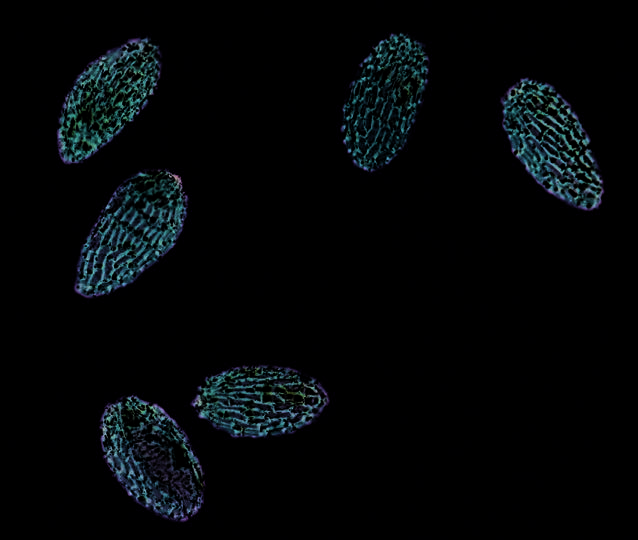
Seeds and varieties For agronomists

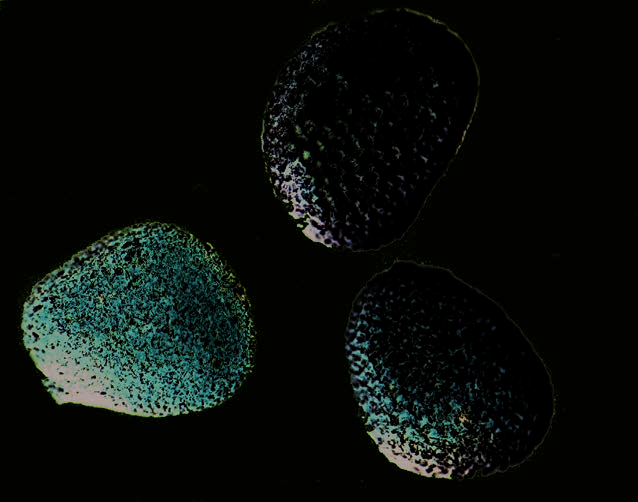
Botanical characteristics of seeds and toxicity of sun spurge

The article provides a detailed botanical description of sun spurge seeds and examines the danger of this weed contaminating forage crops. Brief data on toxic substances contained in members of the Euphorbiaceae family are also presented

Seeds and varieties For agronomists

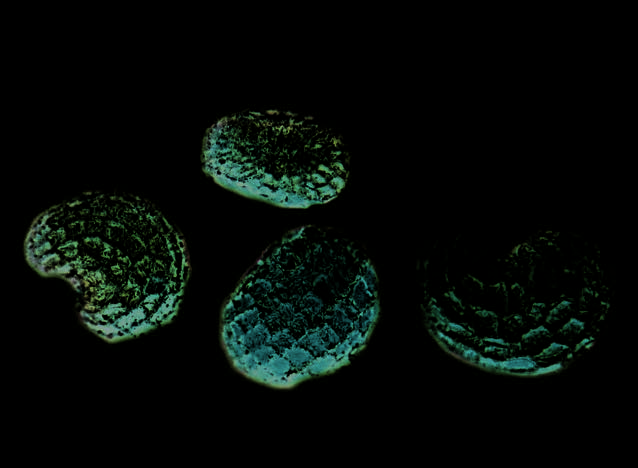
Biological characteristics and toxic properties of opium poppy

The opium poppy is a dangerous weed that infests crops and contains a complex of toxic alkaloids. The article describes the morphological features of the plant and the consequences of toxic substance exposure on the organism

Seeds and varieties For agronomists

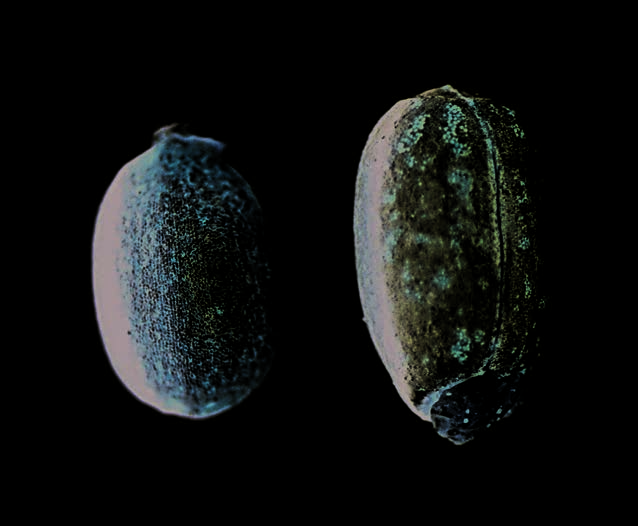
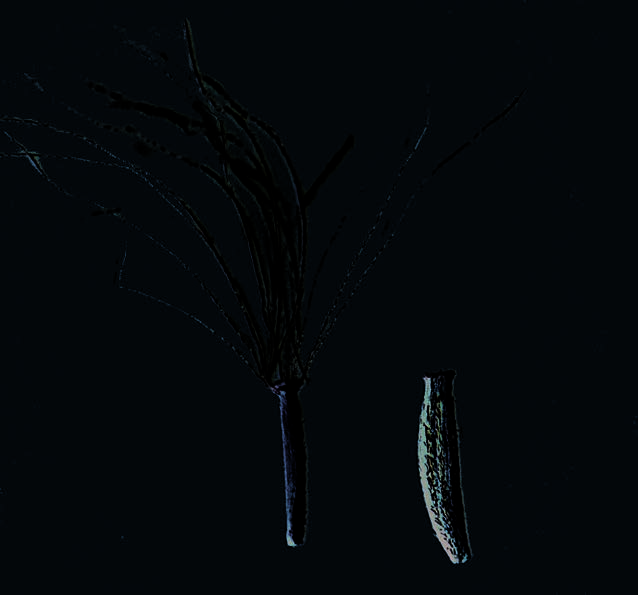
Morphology of achenes and toxic properties of common groundsel

Common groundsel poses a serious threat to the quality of grain crops due to the toxicity of its alkaloids. The article describes the morphological characteristics of the weed's fruits, which aid in its timely detection within a bulk crop

Seeds and varieties For agronomists

Botanical characteristics and toxic properties of dwarf elder

The article provides a botanical description of the dwarf elder, examines its toxic properties and the mechanism of the effect of cyanogenic glycosides on the body. It also briefly outlines the risks associated with other plant species of the honeysuckle family

Seeds and varieties For agronomists

Morphological characteristics and toxic properties of henbane seed

Henbane poses a serious threat as a weed of crops and a source of highly toxic alkaloids. The article provides a detailed description of seed morphology, the plant's distribution range, and symptoms of poisoning upon accidental ingestion

Seeds and varieties For agronomists

Seed morphology and toxic properties of Heliotropium lasiocarpum

The article provides a botanical description of the nutlets of Heliotropium lasiocarpum and an overview of the health-hazardous hepatotropic alkaloids contained in the plant. Risks associated with the contamination of crops by the seeds of this weed and the symptoms of acute heliotrope toxicosis are described.