
Morphological characteristics and toxic properties of henbane seed
2 min read
Family: SOLANACEAE
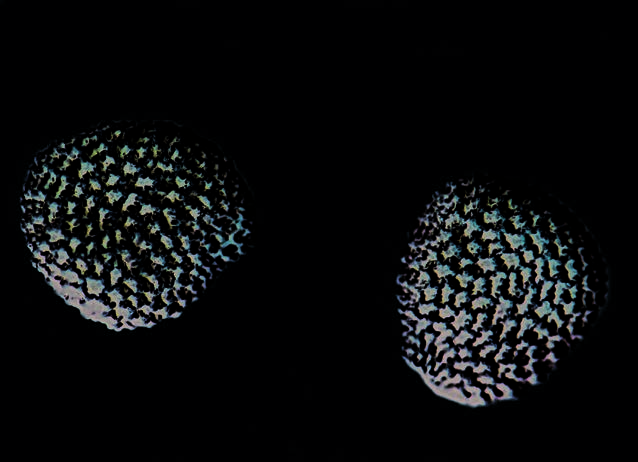
Juss. Solanaceae contaminate plant produce with fruit capsules or berries, as well as with seed. The capsules are pitcher-shaped, bilocular, multi-seeded, and open with a lid. The seeds are rounded, weakly reniform, flat, slightly depressed in the central part, thicker and rounded along the back, and more compressed and extended into a small beak towards the hilum. The hilum is rounded, located at the end of the beak. The surface is cellular, the sides of the cells are raised, the cell fields are shiny, slightly lustrous, and matte. The color is grayish-yellow, grayish-brown. Length 1.25–1.75 mm, width 1–1.25 mm, thickness 0.5–0.75 mm. It occasionally contaminates grain crops; more often gardens and vegetable patches; a specific contaminant of poppy. Henbane seed is difficult to separate from poppy seed. Distribution: European part (almost everywhere, except for the Far North), Caucasus, Western and Eastern Siberia, Far East, Central Asia. Toxic properties. All plants and seed contain toxic alkaloids: hyoscyamine (atropine), scopolamine (hyoscine). Atropine has a pronounced antispasmodic effect: it reduces the muscle tone of the gastrointestinal tract, bile ducts and gallbladder, bronchi, etc. Tachycardia and a decrease in the secretion of salivary, sweat, and lacrimal glands are characteristic. Unlike atropine, which has a stimulating effect on the central nervous system, scopolamine in therapeutic doses causes a sedative effect and sleep. Poisoning occurs upon ingestion (mainly by children) of the pleasant-tasting oily seeds, as well as due to an overdose of henbane medicinal preparations. It proceeds in the form of acute psychosis with hallucinations. Motor and verbal agitation are characteristic. Dry mouth, severe thirst, difficulty in swallowing and urination, palpitations, and tachycardia are noted. As a result of impaired sweating, the temperature rises. Hyperemia of the facial skin, pupil dilation, and photophobia are observed. In severe cases — impaired breathing, loss of consciousness, and a fatal outcome are possible. Cases of intoxication from the meat of hares that fed on henbane and other Solanaceae have been described, as well as from honey from henbane flowers. Other species: all henbane species growing on the territory of the Russian Federation are poisonous.
Read next
Seeds and varieties For agronomists
Morphological characteristics and features of common figwort seed
Seeds and varieties For agronomists
Botanical characteristics of seed and safety measures when handling belladonna
Seeds and varieties For agronomists