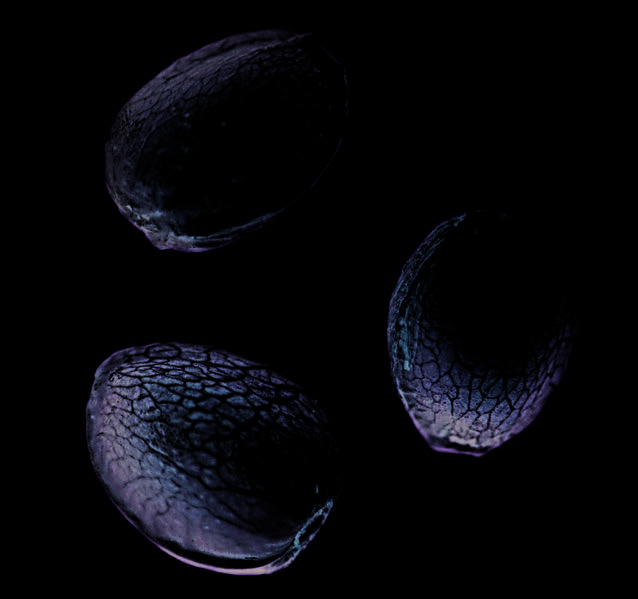
The toxic properties of plants represent a significant risk factor for both industrial crop production and private gardening. Many species possessing marked toxicity are frequently found in crop fields as weeds or as wild species in adjacent areas. Identification of such plants at early stages, especially during the flowering and seed formation periods, is a necessary condition for ensuring phytosanitary safety, preventing toxic impurities from entering the harvest, and controlling the spread of dangerous species on plots.
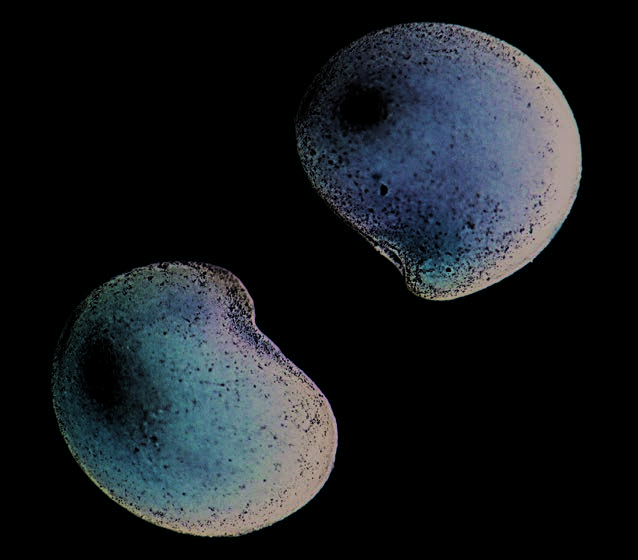
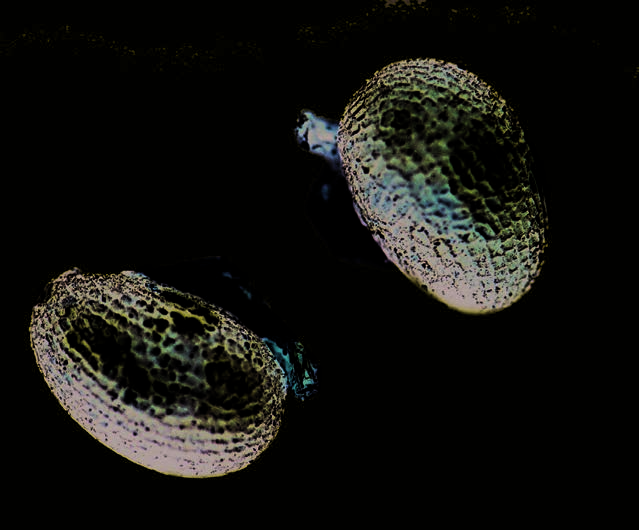
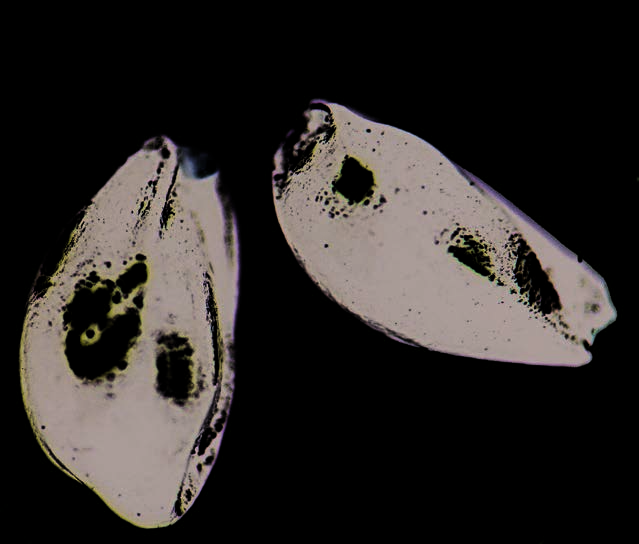
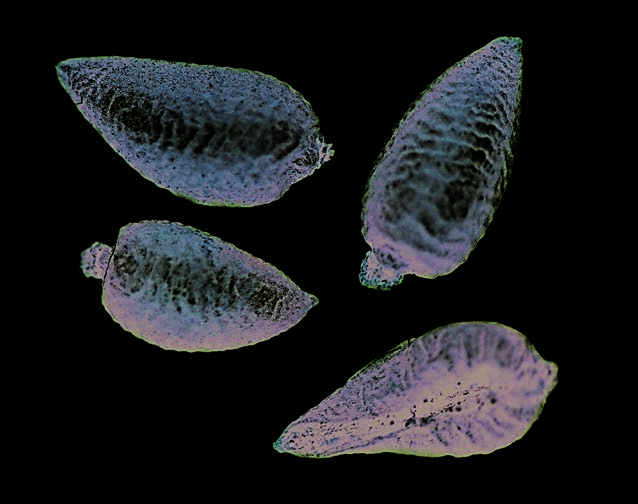
This collection presents expert materials dedicated to the biological characteristics and toxicity of a wide range of plants, including lobelia, henbane, belladonna, euphorbia, ragwort, and other species. The articles contain detailed botanical descriptions of seed and fruit morphology, which allows agronomists and gardeners to accurately identify plants when they are discovered in fields or meadows. In addition to morphological characteristics, the materials examine in detail the nature of alkaloids and other toxic compounds, providing an understanding of the risks associated with the contamination of fields by these dangerous representatives of the flora.