
Seed morphology and toxic properties of Thermopsis lanceolata
2 min read
Thermopsis lanceolata is a dangerous weed of the Fabaceae family that infests grain crops and other crops. The main problem for an agronomist lies in the high toxicity of this plant. The presence of Thermopsis seed or green mass in feed and finished products poses a direct threat to the health of humans and livestock animals, leading to severe poisoning.
Poisoning by Thermopsis lanceolata can be fatal. Toxins cause profuse salivation, nausea, severe vomiting, convulsions, and cyanosis of the skin and mucous membranes. Death occurs due to progressive respiratory distress against the background of cardiovascular failure.
Weed identification and seed morphology
Family: FABACEAE Lindl.
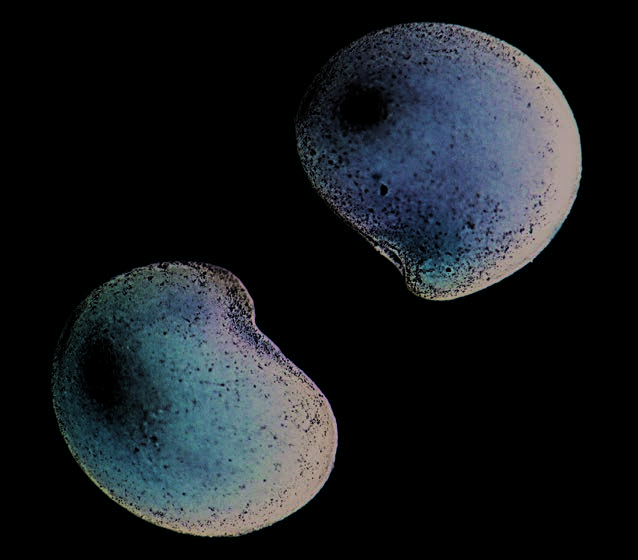
To detect contamination of a grain batch in time, it is important to know the morphological features of the weed's fruits and seed. The pods of Thermopsis are oblong-flat, slightly sickle-shaped or straight, with weak constrictions. The surface of the fruit is wrinkled and slightly pubescent, brown or dark brown in color. The seed themselves are kidney-shaped/oval, slightly compressed, almost black or dark brown with a greenish hue. The surface of the seed is smooth and shiny, less often matte, with a rounded pitted-depressed hilum, from which a seed raphe runs to the base.
| Seed parameter | Size, mm |
|---|---|
| Length | 2,753 |
| Width | 2,253 |
| Thickness | 2,253,5 |
The weed infests crops in the European part of the country (the Trans-Volga region), in Western and Eastern Siberia, Kamchatka, and Central Asia. The toxicity of the above-ground organs and seed is due to a whole complex of alkaloids, each of which has a specific effect on the organism:
- Thermopsine and pachycarpine have a moderate ganglion-blocking effect.
- Cytisine (and to a lesser extent methylcytisine) reflexively stimulates respiration.
- Thermopsine has a direct effect on the respiratory and vomiting centers.
- Anagyrine blocks the transmission of excitation in autonomic ganglia and neuromuscular synapses, exhibiting a nicotine-like effect.
About 10 species of Thermopsis with a similar toxic effect grow in the Russian Federation (in Siberia, the Far East, the Caucasus, and the Volga region). Similar poisonous alkaloids are also contained in other representatives of the Fabaceae family: broom (Cytisus), dyer's greenweed (Genista), Scotch broom (Sarothamnus), bladder senna (Colutea), goat's rue (Galega), Spanish broom (Spartium), and Maakia (Maakia).
Read next
Seeds and varieties For agronomists
Globe thistle as a dangerous toxic weed of crops
Seeds and varieties For agronomists
Characteristics and toxic properties of the weed Anabasis aphylla
Seeds and varieties For agronomists