
Botanical characteristics and toxic properties of the large-leaved lupine
1 min read
Large-leaved lupin (Fabaceae family) is widespread in the European part of the country, where it grows in meadows and is often cultivated as an ornamental plant. In practical work, an agronomist must be able to clearly identify the seed and weed material of this crop, as its seeds possess high toxicity. The plant forms broad-linear, knotted, and densely pubescent pods with characteristic morphological features.
- Pod length — 46 cm
- Pod width — 1 cm
- Number of seeds per pod — usually 47
- Alkaloid content in seeds — 11.5%
The seeds are oval, shiny, gray or brown with a distinct marble pattern on the surface. When conducting seed control and determining the purity of the material, one must be guided by fixed, precise seed dimensions.
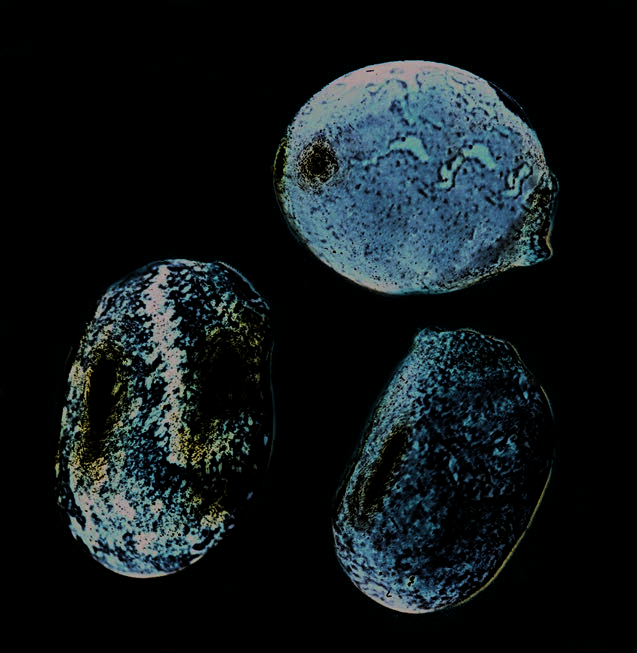
| Seed parameter | Size |
|---|---|
| Length | 22.5 mm |
| Width | 1.52 mm |
Toxic properties and symptoms of poisoning
The toxic properties of the crop are due to the biochemical composition of the seed material. The seeds contain 11.5% alkaloids (lupinidine, lupinine), as well as the glucoside lupinide. Depending on the dose received, these compounds have an excitatory or paralyzing effect on the central nervous system, and exert a nicotine-like peripheral effect on the autonomic nervous system. In practice, cases of severe poisoning in children due to accidental ingestion of lupin seeds have been recorded.
The high concentration of alkaloids (11.5%) in large-leaved lupin seeds creates a direct risk of fatal poisoning if ingested as food or in the feed ration.
When toxins enter the body, poisoning is accompanied by damage to the digestive, cardiovascular, and nervous systems. Signs of intoxication manifest in the following form:
- soon after consuming the seeds, excessive salivation, nausea, and vomiting begin;
- difficulty swallowing, reduced heart rate, and arrhythmia appear;
- in severe cases, paralysis (less frequently convulsions) of the legs begins, gradually rising upward, leading to fatal respiratory paralysis while the victim remains fully conscious.
Read next
Seeds and varieties For agronomists
Lobelia inflata: morphological characteristics and toxic properties of the plant
Seeds and varieties For agronomists
Morphological characteristics and toxic properties of Colchicum autumnale seeds
Seeds and varieties For agronomists