
Characteristics and toxic properties of Lathyrus sativus seed
1 min read
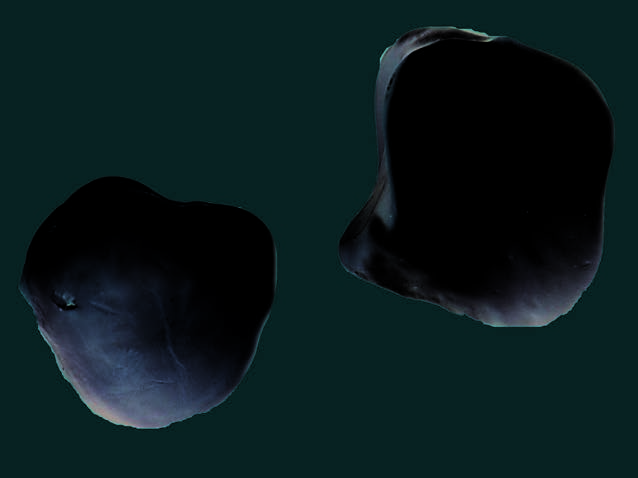
Grass pea (family FABACEAE Lindl.) infests crops of cereal crops and poses a serious threat to human health and the health of livestock animals. Before the end of flowering, the green mass of the plant is non-toxic and serves as good feed. The danger arises during pod formation and seed development, when toxic alkaloids accumulate in the plant parts. Under the influence of a hot climate, the toxicity of grass pea increases, causing paralysis of the legs when ingested — a disease known as "lathyrism".
Drying the mown mass containing grass pea pods and seeds does not eliminate its harmful effect. Feeding such hay to animals remains dangerous.
Morphology of grass pea and risks for livestock farming
The weed infests crops in the European part (primarily in the southern and south-eastern regions), in the Caucasus, in Central Asia, and in Eastern Siberia. The pods of the plant have an elliptic-oblong, broad-linear shape with two wing-like ridges along the dorsal seam. The seeds are three-sided-angular, wedge-shaped and laterally compressed, with a smooth matte surface and an elongated-oval hilum. The yellow or light-yellow color of the seeds is usually plain, whereas dark seeds have a speckled dark-yellow pattern.
- Seeds per pod — usually 36
- Pod length — 34 cm
- Pod width — 11.3 cm
- Seed diameter — 610 mm
- Symptoms of poisoning — after 3060 days
- Animal mortality — 30% or more
In livestock practice, the most common cases of poisoning are caused specifically by weed seeds. The disease develops latently, and the first signs of damage appear only after a long period following the start of feeding. Afflicted animals experience a drop in milk production, decreased appetite, pronounced lethargy, and paralysis of the hind limbs. The course of the poisoning is chronic and often ends in the death of the livestock.
Read next
Seeds and varieties For agronomists
Botanical characteristics and toxic properties of the large-leaved lupine
Seeds and varieties For agronomists
Botanical description and characteristics of field larkspur seed
Seeds and varieties For agronomists