
Morphology and distribution range of the weed Zygophyllum fabago
1 min read
Bean caper (family ZYGOPHYLLACEAE R.Br., in some classifications also attributed to the family FABACEAE Lindl.) poses a serious threat to clean crops. This weed actively reduces yield and contaminates the harvested product. Controlling it requires increased attention due to its toxicity. The main distribution area of the pest includes the southern regions of the European part, Crimea, the Caucasus, and Central Asia.
The weed is most dangerous on irrigated lands, where it infests the following crops:
- wheat;
- cotton;
- alfalfa;
- hemp;
- melons.
Morphological features and seed identification
The fruit of the weed consists of angular four- or five-sided capsules. The seeds themselves are obovate, angular-oval in shape, strongly compressed from the sides, and slightly obliquely truncated near the base. A small, protruding yellowish appendage is clearly visible in the middle part of the seed seam. The seed surface is matte, with a spongy, loose structure. An intense black color of the seed coat is hidden under a top gray or grayish-brown coating.
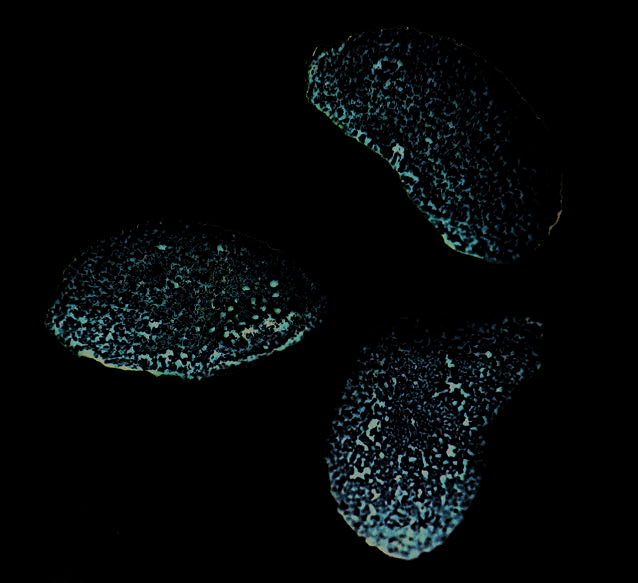
- Length — 34 mm
- Width — 1.51.75 mm
- Thickness — 2.253 mm
Bean caper has poisonous properties. Do not allow parts of the plant or its seeds to get into feed or food products.
Read next
Seeds and varieties For agronomists
Morphological characteristics of Lehmann's dodder seed and the harmfulness of the weed
Seeds and varieties For agronomists
Botanical description and characteristics of the seed of annual mercury
Seeds and varieties For agronomists