
Characteristics and toxic properties of the weed Anabasis aphylla
2 min read
Family: AMARANTHACEAE
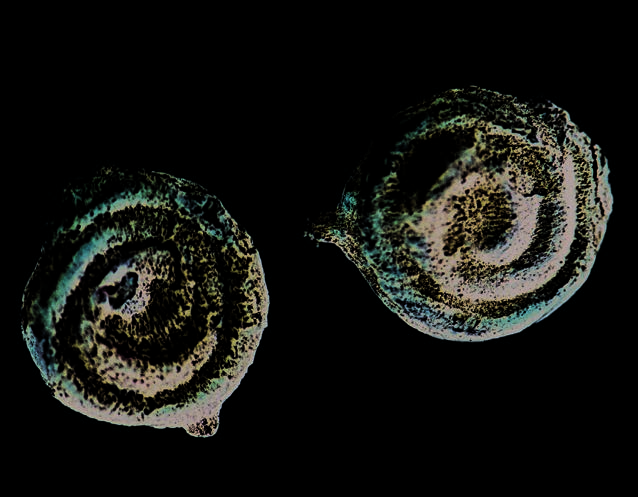
Amaranthaceae contaminate crop products with seeds, single-seeded fruits, or fruits enclosed in perianths or bracts. The fruits within the perianth have rounded-reniform yellowish or pinkish upright rounded-oval wings. The perianth falls off quickly. The fruits have a succulent pericarp, are laterally compressed, tapering into a beak at the apex, dark brown, and show a clearly visible prominent spirally coiled embryo when dried. Length 2.7–3.2 mm, width 2.7–3.2 mm, thickness 1.5 mm. A pasture weed. Distribution: Central Asia, Lower Volga region, North Caucasus, some regions of Transcaucasia; plains and foothill deserts and semi-deserts, often in valleys and riverbanks, etc., and on abandoned fields. Poisonous properties: All parts of the plant are poisonous (the concentration of substances is highest in annual shoots, lower in flowers and fruits, and very low in lignified stems, rhizomes, and roots). The poisonous properties are due to a sum of alkaloids (60% anabasine, as well as lupinine, aphylline, oxyphylline, etc.). Anabasine is a ganglionic poison, similar in pharmacological action to nicotine. In small doses, it excites the autonomic nervous system (ANS) and central nervous system (CNS), stimulates respiration, and increases blood pressure. In toxic doses, it inhibits the transmission of excitation in vegetative ganglia. Poisoning occurs through ingestion, as well as through contact with the skin and mucous membranes. Symptoms of poisoning: pallor of the skin and mucous membranes, burning sensation in the mouth, excessive salivation, nausea, vomiting, diarrhea, general weakness, and dizziness. Pupils are dilated. In cases of severe excitation, convulsions are possible. Characterized by severe dyspnea, replaced by the cessation of breathing (in a coma). Consumption of 80–120 g of young shoots can be fatal to livestock (sheep, etc.). Other species: Anabasis salsa (south-east of the European part, Transcaucasia, Western Siberia, Central Asia); Anabasis syrdariensis (Central Asia); action is similar.
Read next
Seeds and varieties For agronomists
Lobelia inflata: morphological characteristics and toxic properties of the plant
Seeds and varieties For agronomists
Morphological characteristics and harmfulness of the weed Salsola tragus
Seeds and varieties For agronomists