
Morphological features of seed and toxic properties of tall buttercup
2 min read
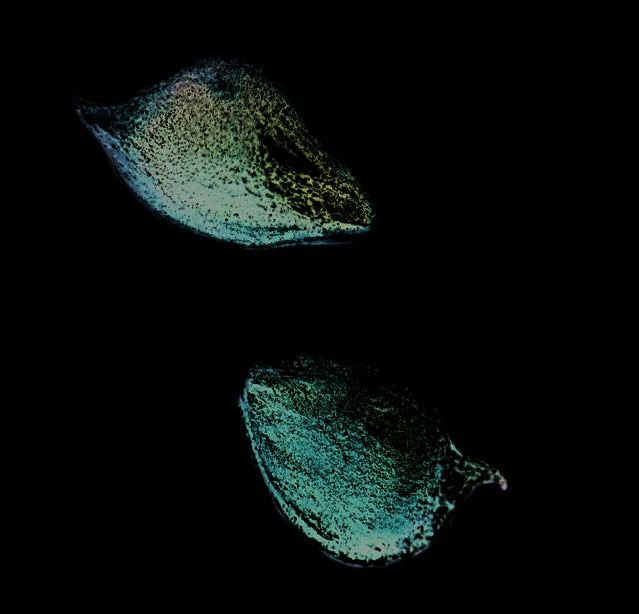
The fruits are etaerio (aggregate of achenes). The achenes are obovate, oval-asymmetrical, strongly compressed laterally, bordered at the edges; the outer (dorsal) side strongly protrudes forward, the inner (ventral) is slightly convex. The style remnant is straight or slightly curved, 0.2–0.4 mm long. The fruit hilum is obliquely truncated, slightly protruding to the side. The surface is finely wrinkled, slightly shiny, matte. The color is dark brown, almost black, brownish-green; lighter at the edges; the style remnant is light reddish-brown. Length 2.25–3 mm, width 1.5–1.75 mm, thickness 0.5–0.75 mm. It infests grain crops and meadows; grows along roads. Distribution: European part (everywhere), Crimea, Caucasus, Western Siberia, Central Asia. Toxic properties. The aerial part of buttercups is poisonous. It contains lactones (ranunculin and protoanemonin), flavonoids (kaempferol, quercetin, etc.). Ranunculin, upon hydrolysis (in the organism), splits into glucose and protoanemonin. Protoanemonin has a pronounced local irritant and necrotic effect. Seeds of buttercups are characterized by a curare-like effect. Leaf juice can cause burns to the skin and mucous membranes. Ingestion causes a strong burning sensation in the mouth, throat, and stomach. Profuse salivation occurs, followed by nausea, vomiting, and abdominal pain. In severe cases, symptoms of CNS damage are observed: tremor, convulsions, clouded consciousness. Poisoning of livestock animals occurs mainly when feeding on green mass, as the toxic properties dissipate as it dries. In lactating animals, the poison can be secreted in milk. The common folk name for all buttercups, "chicken blindness," is associated with the effect of protoanemonin on the mucous membranes of the eyes, causing severe cutting pain, tearing, and temporary blindness. Other species. Most buttercups are poisonous to varying degrees (ranunculin, protoanemonin, toxic glycosides, saponins, alkaloids); they possess insecticidal, anthelmintic, bactericidal, antifungal, and ichthyocidal activity. The most poisonous are: blister buttercup, tuberous buttercup, creeping buttercup, Pallas's buttercup. If the grain contains fruitlets of the field buttercup, its commercial quality and value are significantly reduced.
Read next
Seeds and varieties For agronomists
Identification of fruits and toxic properties of lesser celandine
Seeds and varieties For agronomists
Seed morphology and geographical distribution of Ranunculus sceleratus
Seeds and varieties For agronomists