
Morphological features of seeds and distribution area of corn buttercup
1 min read
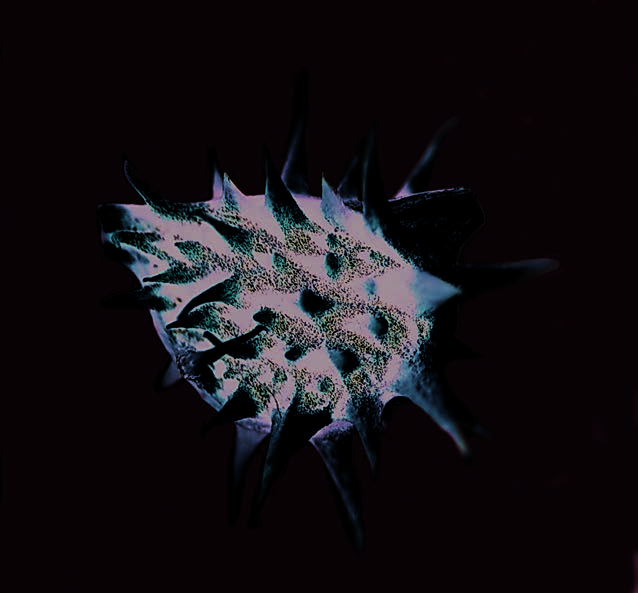
The field buttercup infests cereals, flax, and alfalfa, developing predominantly in dry areas. When cleaning seed material, it is important to detect weed impurities in time to stop its spread. The plant also has poisonous properties, which requires special attention when assessing the quality of the harvest.
The weed possesses poisonous properties. Its parts and seeds must not enter feed or food grain.
Morphological features of the fruits and geographical distribution
The fruits of the field buttercup are aggregate achenes. The achenes themselves are obovate, asymmetrical, and compressed. Their outer (dorsal) side protrudes strongly and is equipped with a ridge, while the inner (ventral) side is almost straight and has a groove. At the apex of the fruitlet, there is a blunt remnant of the style, and the fruit scar is located on a truncated protrusion.
The lateral sides of the fruits are covered with easily broken awl-shaped spines, the length of which reaches 1.5 mm. After they break off, rounded tubercles with a lighter apex remain on the surface. The fruitlets themselves are light brown, while the lateral spines have a dark brown hue with a reddish tint. At the same time, the nose, edges, and apices of the tubercles appear lighter.
| Fruit parameter | Size |
|---|---|
| Length | 35 mm |
| Width | 2.54 mm |
| Thickness | 1.252 mm |
The spread of this weed is limited to specific climatic zones. Monitoring the purity of sowing material is especially important for farms located in regions with a high probability of infestation. This allows for the exclusion of undesirable impurities in the final harvest.
- European part (south-western regions)
- Crimea
- Caucasus
- Central Asia
Read next
Seeds and varieties For agronomists
Morphological features of seed and toxic properties of tall buttercup
Seeds and varieties For agronomists
Botanical description and characteristics of field pennycress seed
Seeds and varieties For agronomists