
Seed morphology and toxic properties of greater celandine
1 min read
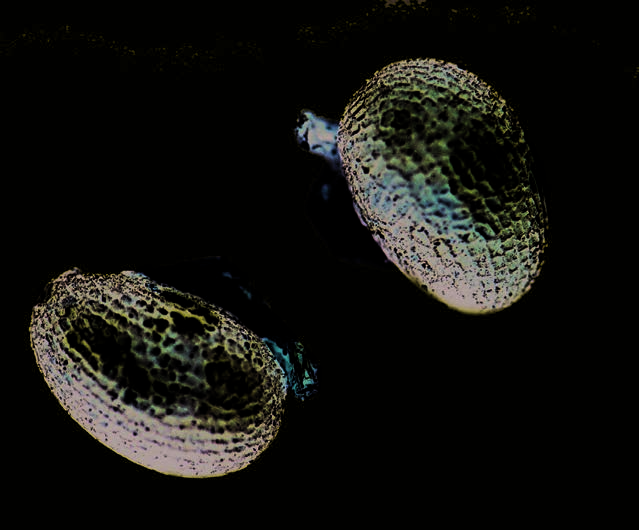
Greater celandine (Papaveraceae family) is a harmful weed that infests gardens and areas adjacent to shrubs. The plant is widespread almost everywhere: in the European part (excluding the Arctic), in the Caucasus, Siberia, and Central Asia. The main problem when it appears on a plot is the pronounced toxic properties of its entire biomass.
All parts of the greater celandine plant contain dangerous alkaloids: sanguinarine, chelerythrine, and chelidonine. The entry of celandine into the green conveyor or forage stocks poses a direct threat of poisoning for livestock animals.
Morphological characteristics of seeds and associated species
The weed forms linear multi-seed capsules 35 cm long, opening with two valves. The seeds of the celandine are unilaterally oval, noticeably compressed on the ventral side, with a black or black-brown slightly shiny reticulate-pitted surface. On the seed, there is a fleshy, almost transparent light-yellow tongue-shaped aril, which completely covers the seed hilum.
| Seed parameter | Value, mm |
|---|---|
| Length | 1.5–1.75 |
| Width | 0.75–1.25 |
| Thickness | 0.5–0.75 |
When surveying land, it is important to distinguish celandine from other poisonous alkaloid-containing members of the Papaveraceae family:
- Wood poppy — accumulates sanguinarine, protopine, and chelerythrine.
- Roemeria — contains roemerine, protopine, and ephedrine.
Read next
Seeds and varieties For agronomists
Morphological features and characteristics of eastern rocket seeds
Seeds and varieties For agronomists
Morphological characteristics and features of common figwort seed
Seeds and varieties For agronomists