
Biological characteristics and toxic properties of opium poppy
2 min read
Opium poppy is a cultivated oil crop that, when grown, is capable of turning wild, becoming stunted, and evolving into a weed. In areas of cultivation, it actively infests crops of cereals and industrial crops. The weed is distributed throughout the European part of the country up to 60° north latitude. Contamination of produce occurs through both seeds and fruit capsules, which significantly reduces the quality of the harvested crop.
- Family — PAPAVERACEAE Juss.
- Northern boundary of the range — up to 60° N
- Number of alkaloids — more than 20
The weeds can be reliably identified by characteristic morphological features. Poppy capsules are spherical, ovoid, or elongated-oval. The seeds themselves are kidney-shaped, compressed at the seed hilum, with a wide but shallow notch. The seed surface is polygonal-reticulate, with the cells arranged parallel to the back. Seed color varies from blue and pale brown to almost black, yellow, or white.
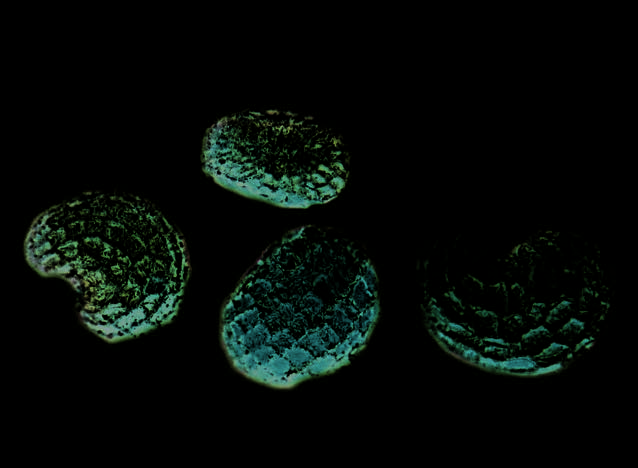
| Seed parameter | Value |
|---|---|
| Length | 11,25 mm |
| Width | 0,751 mm |
| Thickness | 0,50,75 mm |
Toxic properties of poppy and danger to humans
All parts of the plant are poisonous, but the maximum concentration of toxins is concentrated in the walls of immature capsules containing latex. Opium poppy contains more than 20 alkaloids that are derivatives of phenanthrene-isoquinoline. This list includes morphine, codeine, papaverine, thebaine, protopine, laudanine, and other compounds. Each of them has a specific and extremely dangerous effect on the body.
Morphine in the composition of poppy is a powerful narcotic analgesic. Upon repeated ingestion into the body, a painful addiction — morphinism — rapidly develops. In toxic doses, it suppresses the activity of the respiratory center up to complete cessation of breathing, and also increases the tone of the smooth muscles of internal organs.
Other poppy alkaloids also pose a serious threat to health. Papaverine has a myotropic antispasmodic and vasodilating effect. At the same time, thebaine, laudanine, and protopine act as pronounced convulsive poisons. The presence of these substances in the produce threatens severe consequences upon consumption.
Main symptoms of opium poppy poisoning:
- nausea, vomiting, constipation;
- urinary retention;
- dizziness, dryness of the pharyngeal mucosa;
- possible allergic reactions;
- lowered blood pressure;
- development of hallucinatory clouding of consciousness;
- danger posed by respiratory depression and cessation of breathing.
Other representatives of this family also possess toxic properties. All poppy species contain numerous poisonous alkaloids to one degree or another. The agronomist must monitor the purity of the crops to avoid the inclusion of dangerous impurities in the collected harvest.
The following species are recognized as the most poisonous:
- corn poppy P. rhoeas L.;
- sand poppy P. arenarium Bieb.;
- great scarlet poppy P. bracteatum Lindl.;
- orange poppy P. croceum Ledeb.;
- long-headed poppy P. dubium L.;
- iceland poppy P. nudicaule L.;
- oriental poppy P. orientale L.;
- peacock poppy P. pavoninum Schrenk.
Read next
Seeds and varieties For agronomists
Morphological characteristics and distribution range of Saponaria officinalis
Seeds and varieties For agronomists
Morphological characteristics and toxic properties of Colchicum autumnale seeds
Seeds and varieties For agronomists