
Botanical characteristics and toxic properties of dwarf elder
2 min read
Family: RUBIACEAE
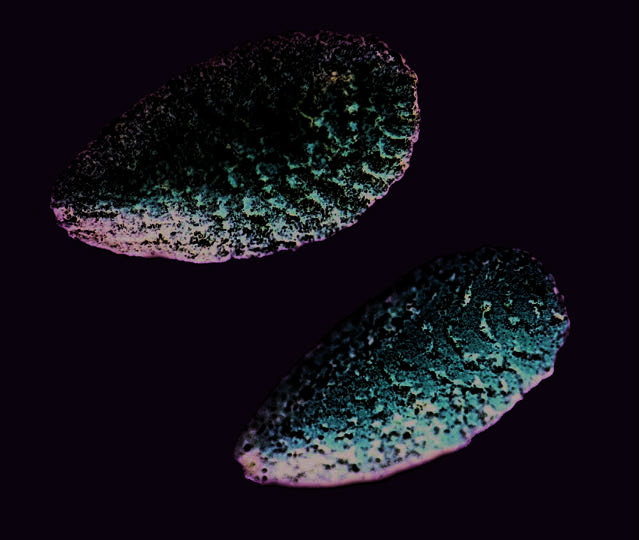
FAMILY CAPRIFOLIACEAE Caprifoliaceae can contaminate produce with drupes and stones. The fruits are multi-seeded drupes, black, shiny with red juice, 4 mm in diameter with 3-4 stones. The stones are ovoid, triangular, convex on the back, light brown. The surface is transversely wrinkled. Length 2.5-3.5 mm, width 2-2.5 mm, thickness 1 mm. Distribution. Southern part of the Russian Federation; foothills and mountains; along forest edges and subalpine meadows, often as a weed. Toxic properties. The leaves, flowers, and unripe fruits are poisonous (mature ones are consumed fresh and processed). Toxicity is due to cyanogenic glycosides sambunigrin and amygdalin. During enzymatic hydrolysis of cyanoglycosides, sugar and an intermediate cyanohydrin are formed, which decomposes spontaneously to form a ketone or aldehyde and hydrocyanic acid. The toxicity of hydrocyanic acid is due to its ability to form a complex with cytochrome oxidase, thereby blocking cellular respiration. 100 g of fresh elder leaves contain up to 10 mg of hydrocyanic acid. Main symptoms of poisoning: dizziness, headache, weakness, sore throat, abdominal pain, nausea, vomiting. A characteristic feature is the blue coloring of mucous membranes as a result of the accumulation of oxyhemoglobin in venous blood. Tachycardia is replaced in the later stages by bradycardia. Dyspnea with respiratory pause during exhalation is observed; seizures are possible. Death occurs from respiratory arrest дыхания against the background of acute heart failure.
Other species. Similar effects are observed in elderberry (used in official medicine); the widespread red elderberry also contains cyanoglycosides in its leaves and unripe fruits, but in smaller quantities. Representatives of the genus honeysuckle also possess toxic properties, containing the glycoside xylostein, which has a laxative and emetic effect (Glehni's honeysuckle, Chamisso's honeysuckle, European honeysuckle, or wood honeysuckle, Tatarian honeysuckle, humped honeysuckle, Maximowicz's honeysuckle). A section of edible or blue honeysuckles is distinguished within the genus
Read next
Seeds and varieties For agronomists
Morphological features and distribution area of Tatar buckwheat
Seeds and varieties For agronomists
Seed morphology of common chickweed and toxicity of plants of the Caryophyllaceae family
Seeds and varieties For agronomists