
Morphological features and distribution area of Tatar buckwheat
1 min read
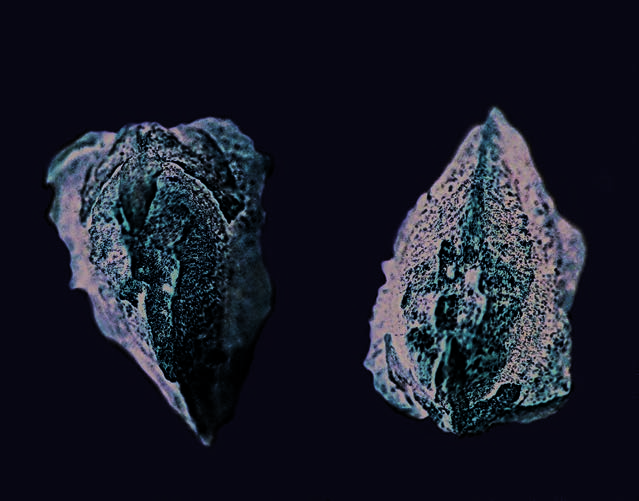
Tatar buckwheat (the buckwheat family — Polygonaceae Juss., P.Gaertn.) infests crops of winter and spring crops. This weed poses a serious problem for farms, as its seed regularly contaminates the finished product. It is one of the most common weeds found in plant-based raw materials.
The weed poses the greatest danger to crops of cultivated buckwheat. Due to the morphological similarity of the fruits, it is extremely difficult to clean the harvested yield from it.
How to identify the weed by fruit morphology
Tatar buckwheat can be identified by the appearance of its fruits (nutlets). They have a characteristic shape and structural features that help to quickly distinguish them from cultivated plants. When analyzing grain batches, pay attention to the surface structure and details of the fruit's construction.
- Shape: the nutlets are trihedral, widening towards the base, with more or less sharp crenate ribs. The faces are equal to each other, with a distinct longitudinal furrow in the center.
- Apex and base: the apex is narrowed and slightly pointed. The base is widened, obtusely triangular, with a tubercle in the middle; it often bears remnants of the perianth, covering the fruit hilum.
- Surface: uneven, tuberculate, rough, and matte.
- Color: grayish, dun, or brown. The longitudinal furrows on the faces are more intensely colored, often appearing black.
| Fruit parameter | Size, mm |
|---|---|
| Nutlet length | 3,55 |
| Nutlet width | 2,53,5 |
| Nutlet thickness | 2,53,5 |
The weed is adapted to various ecological conditions and has an extensive range. It infests crops in the European part (primarily in the central regions, rarely in the northern and southern ones), the Caucasus, Western and Eastern Siberia. Tatar buckwheat is also distributed in the Far East and Central Asia.
Read next
Crop production For students
Biology and cultivation features of buckwheat in the Republic of Belarus
Seeds and varieties For agronomists
Botanical characteristics of seeds and harmfulness of water pepper (Persicaria hydropiper)
Seeds and varieties For agronomists