
Botanical characteristics and distribution area of stickseed (Lappula squarrosa) in crops
1 min read
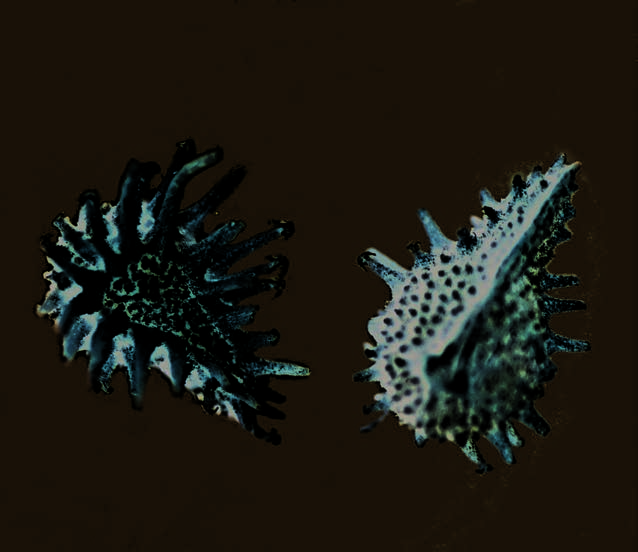
Stickseed (Boraginaceae Juss. family) poses a serious problem for seed production and commercial crop production. Cleaning seed heaps of its nutlets requires special effort due to their morphological structure. In field conditions, this weed actively competes with crop seedlings for light and soil moisture, infesting crops such as:
- winter and spring cereals;
- lentils and hemp;
- alfalfa, clover, and flax.
Stickseed is the most frequently encountered weed in finished plant products.
Morphological characteristics of fruits and geographical distribution
For correct identification of the weed in the laboratory or at the threshing floor, it is important to know the morphological features of its seeds. The nutlets of stickseed are trihedral, more or less ovoid, narrowed and pointed at the apex. The brownish nutlets have a warty, coarsely tuberous surface, while their sides and outer surface are finely tuberous. The narrow, slit-like hilum at the base has a loop-like shape.
- Nutlet length — 1,753 mm
- Nutlet width — 1,22 mm
- Number of spine rows — 23
Spines are located along the edges of the nutlet, bordering its outer surface. In length, they are equal to the width of the nutlet at its widest part. The weed is characterized by high adaptability and infests crops in a wide variety of regions:
- European part (everywhere except the Far North);
- Crimea and the Caucasus;
- Siberia and the Russian Far East.
Read next
Seeds and varieties For agronomists
Morphological characteristics of seeds and toxicity of common houndstongue
Seeds and varieties For agronomists
Morphological characteristics and toxicity of Trichodesma incanum seeds
Seeds and varieties For agronomists